I still remember the scent of damp cedar and crushed pine needles from my childhood in the Pacific Northwest, a smell that always signaled it was time to get my hands dirty. I was barely ten years old when I tried to plant my first patch of heirloom tomatoes, and let me tell you, it was a beautiful disaster of trampled seedlings and confused pollinators. I didn’t have a degree from Oregon State back then, just a pair of muddy boots and a stubborn desire to see something grow. Most people think you need a massive plot of land or a mountain of expensive, plastic-wrapped gadgets to succeed, but learning how to start a backyard vegetable garden is actually much more about listening to the rhythm of your own soil than it is about following a rigid, expensive blueprint.
In this guide, I’m stripping away the commercial fluff to give you the real, dirt-under-the-fingernails truth. I promise to share the practical, sustainable wisdom I’ve gathered from years of both successes and muddy failures. We aren’t going to focus on complicated industrial methods; instead, we’ll explore how to work with your local ecosystem to create a thriving, edible sanctuary right outside your door.
Finding Your Sunlit Sanctuary and Garden Sunlight Requirements
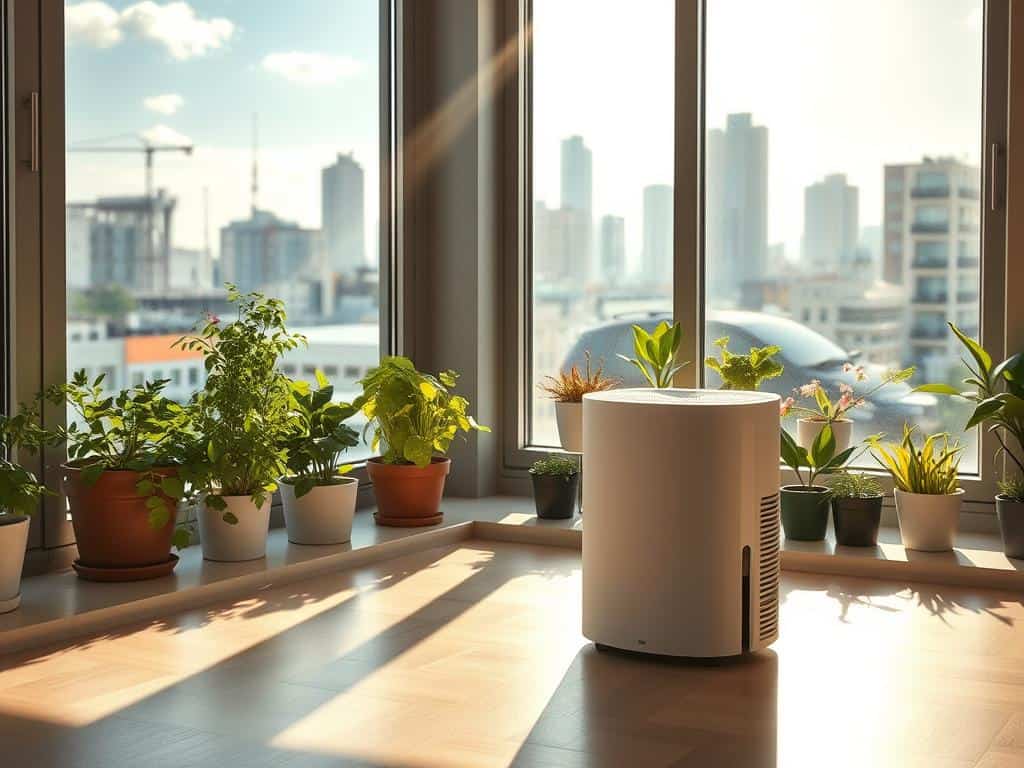
Before you tuck your first seeds into the soil, I want you to spend a few quiet mornings just sitting in your yard, observing how the light dances across the landscape. You’re looking for that perfect “sunlit sanctuary”—a spot that feels alive. Most of our leafy and fruiting friends are sun-worshippers; understanding your specific garden sunlight requirements is the secret handshake to a successful harvest. While some delicate greens might enjoy the dappled shade of a maple tree, your heavy hitters like tomatoes or peppers will crave at least six to eight hours of direct, golden warmth to truly thrive.
I remember wandering through the understory of the Douglas firs as a child, noticing how the ferns thrived in the shadows while the berry bushes fought for every stray beam of light. It’s a beautiful lesson in placement! Once you’ve identified your brightest patch, take note of how the shadows stretch as the afternoon wanes. This little bit of observation ensures you aren’t fighting against nature, but rather working in rhythm with its natural patterns.
Nurturing the Foundation Through Vegetable Garden Soil Preparation
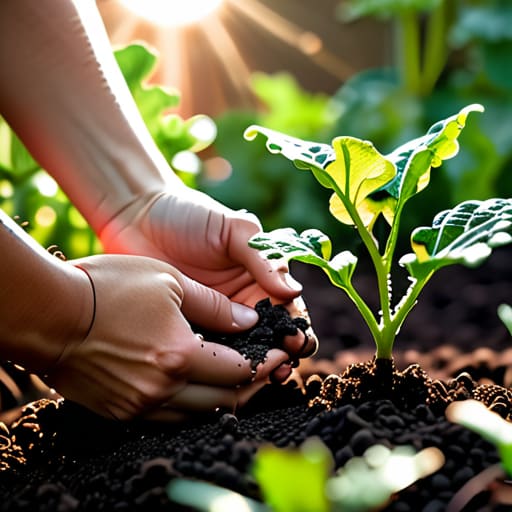
Once you’ve found that perfect sun-drenched patch of earth, it’s time to get your hands a little dirty—and I mean really dirty. Think of your soil as the heartbeat of your garden; if the soil is vibrant and full of life, your plants will dance with joy. When I was first learning the ropes back in Oregon, I realized that vegetable garden soil preparation isn’t just about digging holes; it’s about building a living community beneath the surface. I love to start by mixing in generous amounts of aged compost and leaf mold. This mimics the forest floor, creating a rich, loamy texture that allows roots to stretch and breathe without hitting a wall of hard clay.
If you’re working with limited space or perhaps dealing with some stubborn, rocky ground, you might find that raised bed gardening techniques offer a much more manageable path to success. These elevated beds allow you to control the soil quality from day one, ensuring your tiny eden has the exact nutrient profile it craves. Whether you’re digging straight into the earth or building upward, remember that you are feeding the soil so that, in turn, the soil can feed you.
Five Seeds of Wisdom for Your Growing Journey
- Start small, like a gentle sprout. It’s so tempting to want to transform your entire yard into a sprawling farm overnight, but I’ve learned that a few well-tended raised beds or even a handful of containers are much more rewarding than a massive plot that feels like a chore. Focus on what you can nurture with love and consistency.
- Choose your companions wisely. In the forest, plants don’t grow in isolation; they support one another. In your garden, try “companion planting”—for instance, tucking some marigolds in among your tomatoes to help deter those pesky pests naturally. It’s like creating a little community of leafy friends!
- Listen to what your plants are whispering. Every leaf tells a story, from the slight curl of a thirsty cucumber to the pale hue of a nitrogen-hungry pepper. Spend a few quiet minutes each morning just observing; you’ll soon find yourself reading their needs as easily as I can spot a Rubus idaeus (wild raspberry) by its distinctive serrated leaves.
- Embrace the magic of mulch. Think of mulch as a cozy, protective blanket for your soil. Whether you use straw or shredded leaves from your autumn strolls, a good layer helps keep the moisture tucked in and prevents those unwanted weeds from crashing the party.
- Don’t fear the occasional mishap. Even with my background in environmental science, I’ve had my fair share of wilted greens and confused seedlings. Gardening is a beautiful, messy conversation with nature, and every little mistake is just a lesson whispered by the earth to help you grow alongside your plants.
Tending Your Tiny Eden with Love
As you stand there, perhaps with a bit of soil under your fingernails and a sense of quiet anticipation, remember that you’ve already laid the most vital groundwork. We’ve talked about finding that perfect, sun-drenched nook where the light dances just right, and we’ve worked together to prepare a soil foundation that is rich, dark, and teeming with life. By honoring these fundamental elements—the warmth of the sun and the vitality of the earth—you aren’t just setting up a patch of dirt; you are building a living, breathing ecosystem. It might feel a little daunting now, but trust that every well-placed seed is a promise of nourishment waiting to unfold.
Beyond the harvest of crisp cucumbers or heirloom tomatoes, I hope you find something even more precious in the rhythm of the seasons. Gardening is a slow, beautiful dance of patience and presence that invites us to quiet the noise of our modern lives and listen to the whisper of the wind through the leaves. Don’t be afraid to make mistakes or let a few plants wander a bit wild; even the most seasoned foragers learn through gentle trial and error. As you watch your first green shoots break through the surface, I hope you feel that profound, soul-deep connection to the planet that I felt growing up in the woods. Happy planting, my friends.
Once you’ve breathed life back into your soil, you might find yourself staring at a packet of seeds, wondering if you’re truly ready to take that next leap. I always tell my clients that while intuition is a wonderful guide, having a reliable toolkit can make the transition so much smoother. If you’re looking to deepen your understanding of the practical rhythms of growing, I’ve found that checking out the resources at Hobartsex can be a truly wonderful way to ground your learning. It’s all about building that steady confidence so you can spend less time worrying and more time simply marveling at the tiny, green miracles pushing through the earth.