Last spring, while watering my plants, I found out indoor air pollution is a sneaky problem. I realized my breathing was harder and I kept getting headaches. Some research showed me indoor pollutants can be much worse than outdoor air, sometimes two to five times higher.
I checked common pollution sources like cleaning sprays and cooking smoke. I found out that my home, which should be safe and nurturing, was full of unseen dangers. I decided to find ways to clean the air. Using eco-friendly tips, I made my home a place with fresh, clean air.
Key Takeaways
- Indoor air pollution can be worse than outdoor air pollution
- Common sources include cleaning products and cooking emissions
- Simple changes can improve air quality at home
- Investing in air purifiers can make a significant difference
- Using natural cleaners contributes to cleaner air
Understanding Indoor Air Pollution
Indoor air pollution is a big issue that’s often overlooked at home. Learning about what causes this pollution can really help improve my health and living space. There are many things that contribute to unhealthy air inside, so knowing about them is key.
Common Sources of Indoor Air Pollutants
Radon gas is a major cause of indoor air pollution. It’s a invisible, harmful gas that can get into houses through small cracks. It’s dangerous and can cause lung cancer. Particulate matter is another culprit, consisting of tiny bits from smoke, dust, and pet fur. These bits can go deep into our lungs, leading to breathing problems and heart issues.
Volatile Organic Compounds (VOCs) hurt indoor air quality too. They come from things like paints, cleaners, and furniture, causing eye, nose, and throat irritation. There can also be long-term health risks. Burning things like gas and wood inside can release bad stuff like carbon monoxide and benzene if not vented right. Knowing these sources helps me work on making the air in my home cleaner.
Air Pollution Solutions for Your Home
Improving air quality at home significantly boosts my health. By taking easy yet effective steps, I ensure the air I breathe is cleaner. Here are some actionable strategies to minimize indoor air pollutants.
Practical Tips to Reduce Indoor Air Pollutants
Open windows daily for ventilation: Opening windows helps clear out indoor pollutants. This is especially effective if the air outside is clean. By doing so, fresh air replaces the stale, ensuring my home feels more breathable.
Use exhaust fans: Using exhaust fans in the kitchen and bathroom eliminates moisture and odors. This not only makes my living spaces smell better but also gets rid of harmful pollutants.
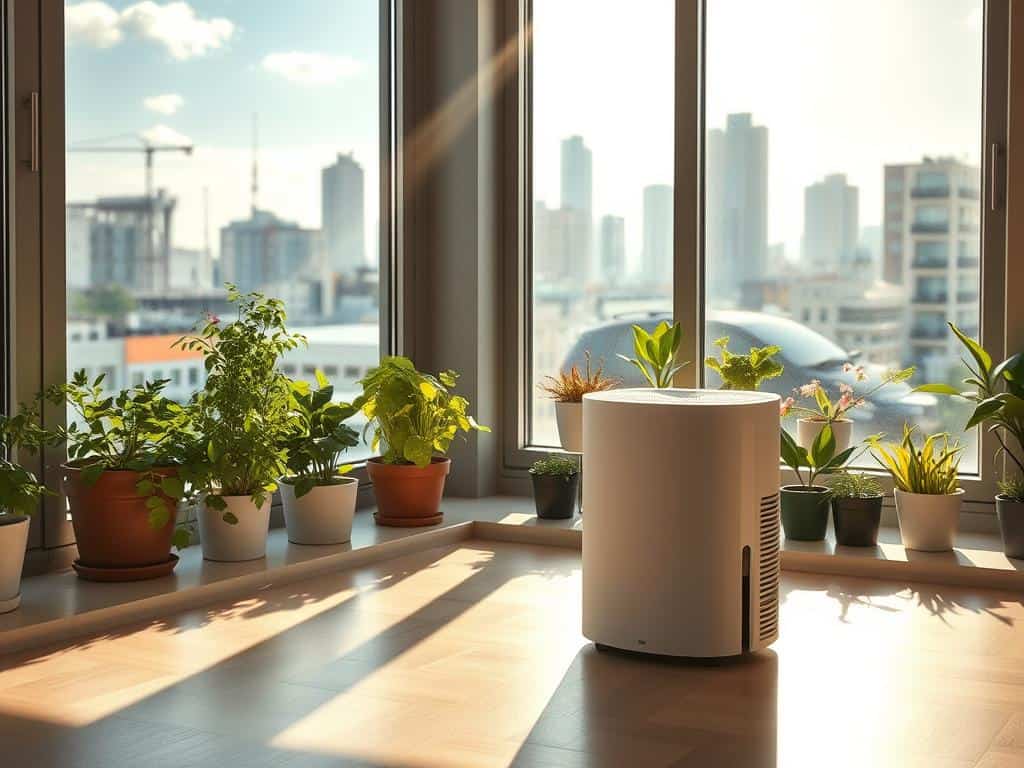
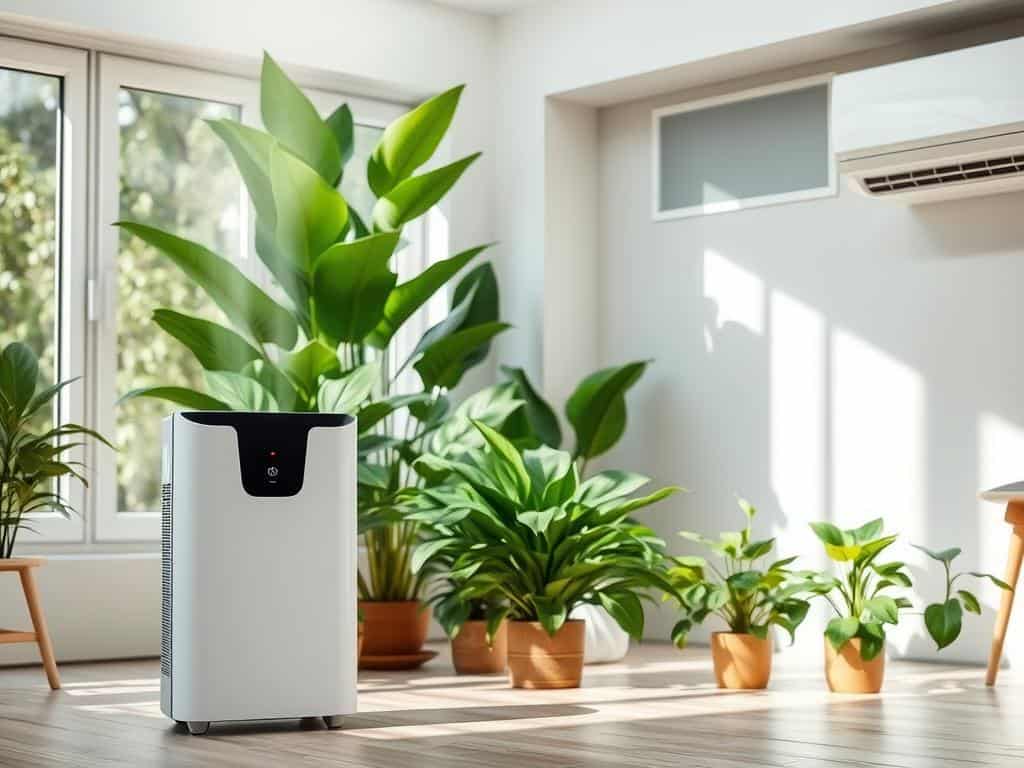
Invest in a HEPA air purifier: A quality HEPA air purifier traps harmful particles and gases. Adding this tool to my home means we breathe air that’s clearer and healthier.
Maintain a smoke-free home: Avoiding indoor smoking and keeping pets clean cuts down on allergens. A no-shoes policy also stops dirt and toxins from getting inside. These steps contribute to a fresher home atmosphere.
Conclusion
It’s really important to have clean air inside for my health. I found out that common things and activities at home can pollute the air. Knowing this, I can take steps to make the air in my home better.
Just opening windows or using fans can make a big difference. It’s also key to stay away from cigarette smoke and other bad stuff. Doing these things helps keep the air safe for me and my loved ones.
Choosing to live this way not only gives me fresh air but also is better for the planet. I’m dedicated to making my home’s air better. This helps my health and makes a great place for my family. Taking each step towards cleaner air improves our lives.