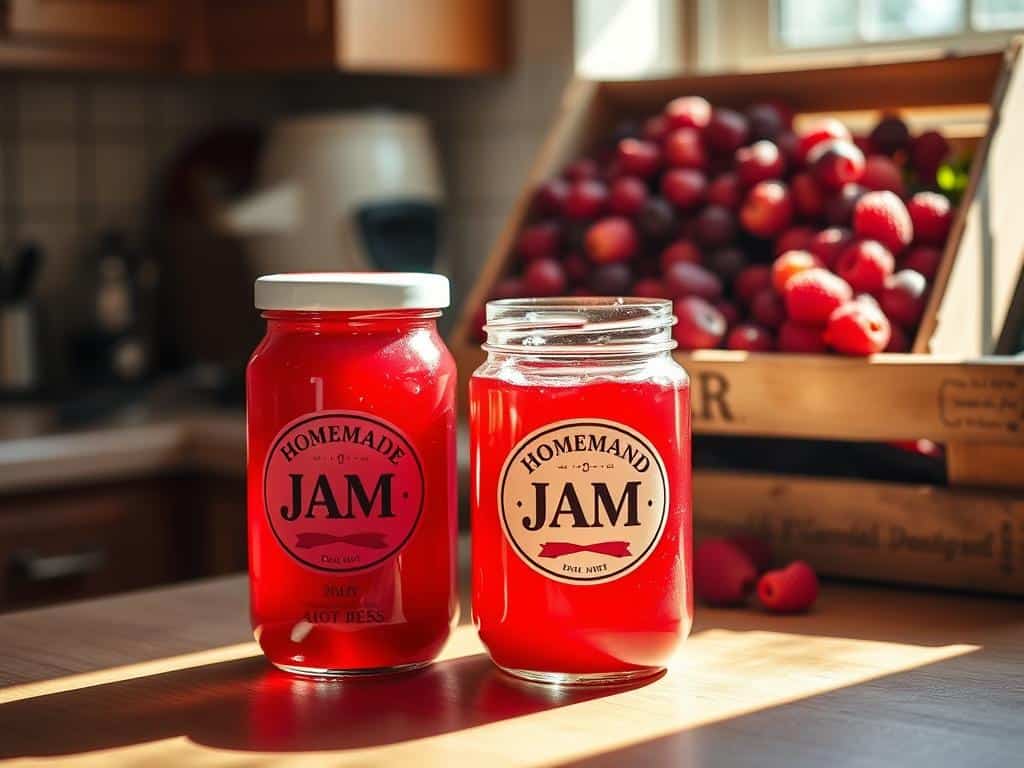
Years ago, I made a batch of jam in my kitchen. I used fresh strawberries from a local farm. The joy on my family’s faces, as we enjoyed it on buttery toast, was unforgettable. That moment marked the start of something big. Inspired by those vibrant flavors, I wanted to bring artisanal goods to more people. I joined a group of local entrepreneurs who also loved quality.
Together, we turned my hobby into a nationally recognized brand. This shows how homemade jam can make its mark in the food business. On this journey, I learned about the startup world and the importance of connecting with others. Those who value the art of preserving fresh ingredients became my community.
In the next parts, I’ll give tips on making your kitchen experiment a successful venture. I’ll talk about why using local ingredients is important. Plus, I’ll cover marketing strategies that can make your jam popular all over the country.
Key Takeaways
- Transitioning from homemade jam to a national brand requires creativity and resilience.
- Connecting with local communities can enhance your food biz and brand loyalty.
- Understanding quality ingredients is key to developing unique flavors.
- Effective marketing and branding strategies can significantly boost visibility.
- Utilizing social media fosters growth and customer engagement in today’s market.
The Journey from Kitchen to Store Shelves
Starting a jam-making business is exciting, driven by a love for making tasty homemade food. I started in the kitchen, trying different fruits, sugar, and a little creativity. Learning the details of jam-making improved the taste and let me add special touches to stand out in the food world.
Understanding the Beginning of Jam-Making
Making great jam starts with using high-quality local ingredients. Using fresh, organic fruits can turn a simple recipe into something people love. This method also helps support local farmers. Plus, it shows the benefit of buying local while following the laws for making food at home.
Key Steps in Starting a Jam Business
Starting up needs a lot of planning. Writing a business plan was a key first step. It outlined my products, prices, who would buy them, and financial goals. Knowing the homemade food laws was vital for working out of my kitchen legally. Finding trustworthy suppliers was important to keep my jam’s quality high, crucial in the food industry.
Good marketing, focusing on branding and how the product looks, really helps sell the homemade jams.
Local Entrepreneurs Transforming the Jam Industry
Exploring the homemade jam scene has shown me how local entrepreneurs are changing the game. They focus on using seasonal items to create amazing flavors. Their commitment to local sourcing improves their products and helps the community’s economy.
Identifying Local Ingredients for Unique Flavors
These entrepreneurs have a talent for finding ingredients that make their flavors unique. They use the variety of fruits from their area to make standout jams. For example, they use rare fruits and local specialties to create flavors that attract both food lovers and health-conscious customers. This focus on unique tastes has become a key feature of their brands.
Building Community Support Through Local Sales
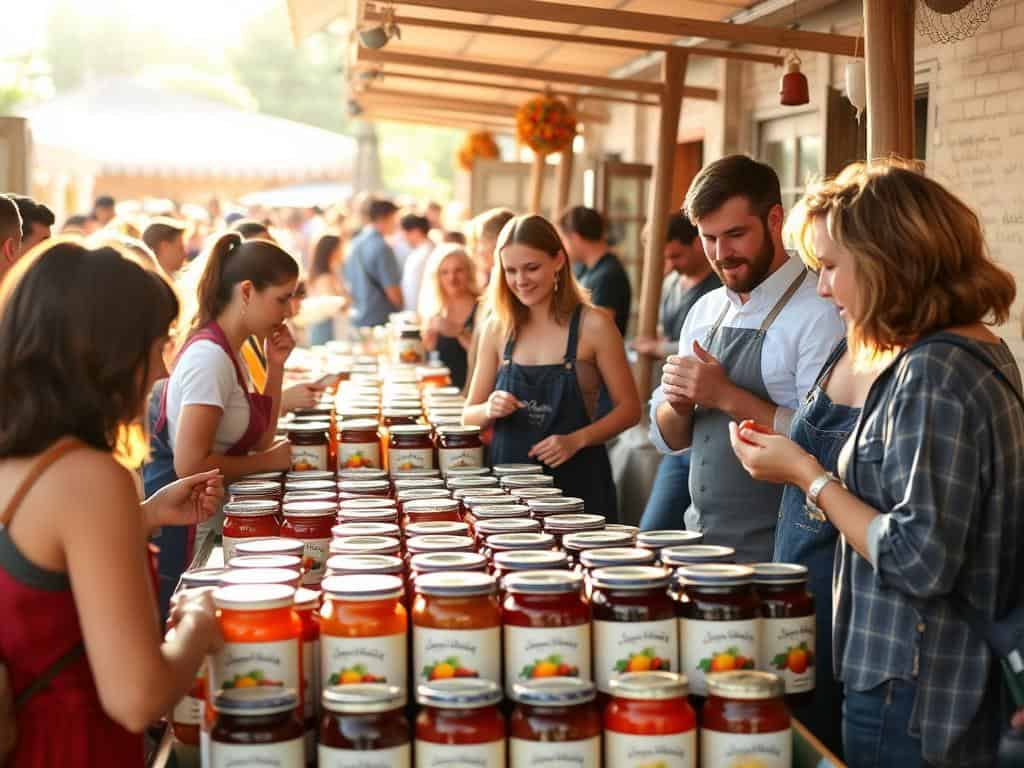
Gaining community support is important for these business owners. Many of them sell at farmers markets and specialty stores. These places offer a chance to meet loyal customers who like to support local businesses. The closeness of farmers markets helps build real connections. Entrepreneurs can share their stories and create pride in their local products. Getting involved in local events also helps show their commitment to quality and community support.
Marketing Strategies and Brand Development
In the food industry, good marketing strategies and strong brand building are key for homemade jam products. A great brand story can touch people’s hearts, creating a bond that goes beyond just buying and selling.
The Importance of Packaging and Branding
Packaging is more than just holding the product; it’s vital for the brand’s image. Well-thought-out packaging highlights the jam’s quality and uniqueness while meeting label requirements. It makes the product stand out and seem upscale.
The branding needs to mirror what the jam stands for, using colors and fonts that show its personality.
Utilizing Social Media for Exposure and Growth
Social media is great for making homemade jam brands known and growing them. By sharing engaging stories, recipes, and product info, brands can build a dedicated fan base. Authentic content makes the audience engage more, as they love seeing the brand’s real story.
Platforms like Instagram and Facebook help tailor marketing efforts to the right people. Sites like Etsy let brands grow while staying true to themselves.
Conclusion
The story of homemade jam turning into a major brand shows what local entrepreneurs can do. It’s about their chase for the best ingredients and making great flavors. This tells how food businesses grow when they connect with their communities.
These business owners turned their love for the craft into a startup that people love. They focused on smart marketing and being green. Their journey from kitchen to stores is a lesson in being innovative in a tough market.
They prove that with hard work, creativity, and aiming for the best, anyone can make their mark in small businesses. This success story inspires anyone looking to enter the startup world. It’s a bright future for those willing to take the leap.


