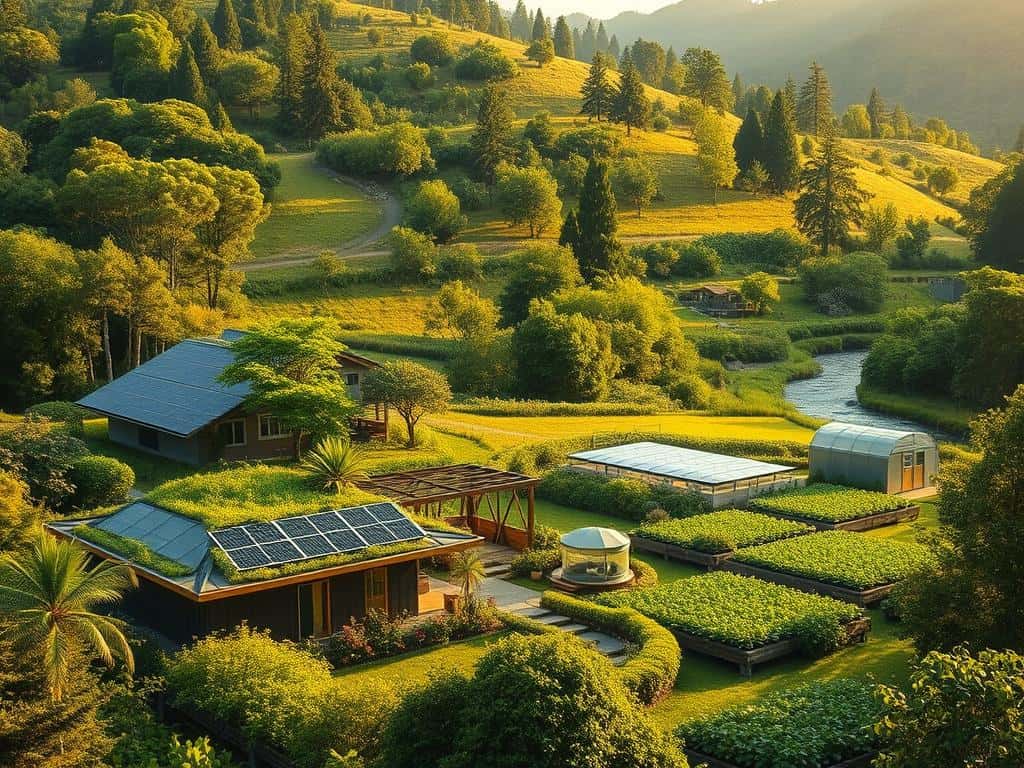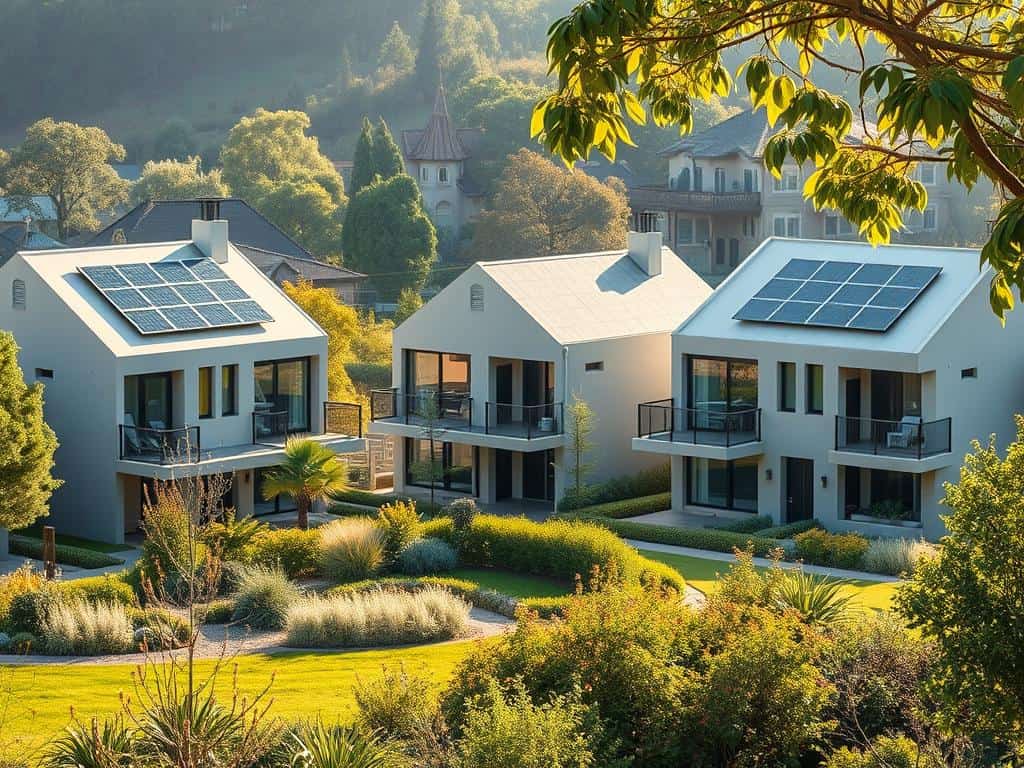
Deciding to build my dream home was exciting, but also a bit overwhelming. There were so many choices to make. Yet, it became clear that energy efficiency was vital. Wandering through a friend’s home, I felt the comfort of their sun-filled living room. It stayed warm in winter and cool in summer, all without heavy use of the heater or air conditioner.
This happened because they had planned with energy efficiency in mind. They mixed smart design with advanced technology. This inspired me. I saw that to make my home energy-efficient, I’d need to think carefully about insulation and air sealing. These steps would boost comfort, cut energy costs, and help the environment. Let’s dive into what I learned about creating an energy-efficient home.
Key Takeaways
- Energy efficiency is vital for comfort and cost savings.
- Incorporating proper insulation improves performance.
- Renewable energy systems can be a smart investment.
- High-efficiency heating and cooling systems enhance overall efficiency.
- Smart home technologies support sustainable living.
Why Consider Energy Efficiency When Building a Home
Thinking about building a home, I see energy efficiency as key. It deeply impacts my budget and the planet. By using energy-efficient tech, we lower energy bills and support a green living style. A home built this way brings many benefits.
Benefits of Energy-Efficient Homes
Energy-efficient homes use less energy, which means lower monthly bills. They use better materials and tech, making living spaces comfy and healthy. It’s great how their value can go up over time, making them a smart buy. Many such homes even have Energy Star® certification. This shows they’re at least 10% more efficient than others, proving their worth to buyers.
Understanding Energy Audits
Home energy audits are crucial for boosting a home’s efficiency. They help spot where a home is using too much energy. Auditors look for things like leaks, old insulation, or old HVAC systems. With this knowledge, I can make a home that’s both efficient and comfy.
Key Components of Energy-Efficient Homes
When you build an energy-efficient home, you have key parts to think about. Think about insulation, air sealing, renewable energy, and efficient HVAC systems. These can really improve your home’s energy use and save money. It’s key to learn about these to have a sustainable home.
Insulation and Air Sealing
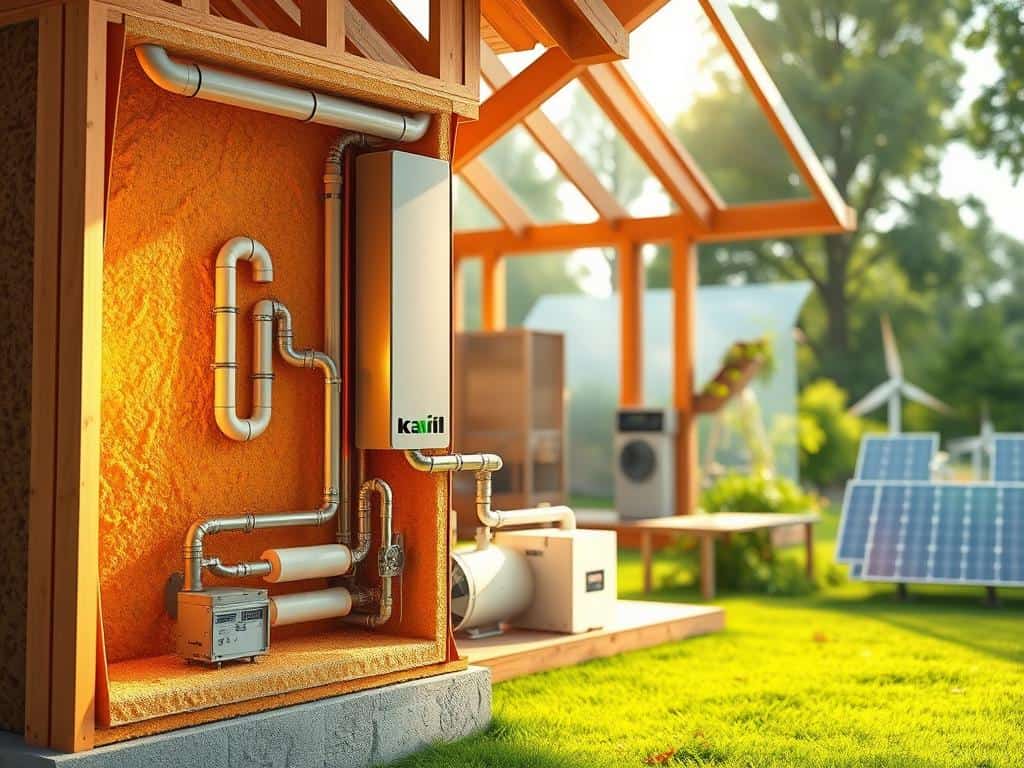
Good insulation and tight air sealing are the basics of saving energy. Good insulation stops too much heat from moving in or out, so you use your heater and cooler less. By picking top-notch materials like Fox Blocks ICFs, you can get great insulation results. This helps keep your home at the right temperature.
Also, making sure there are no leaks is key to keeping your home snug. Even great insulation won’t fully work if air leaks in or out. A home that’s well-sealed and insulated is more comfy and uses less energy.
Renewable Energy Systems
Using renewable energy makes a home more green. Solar panels, for instance, turn sunlight into power. This cuts down on needing to use energy from sources that won’t last. Solar energy can cut electric bills and help our planet.
High-Efficiency Heating and Cooling
Efficient HVAC systems are important for an energy-friendly home. They use less power and still keep your home feeling good. By choosing the latest, high-efficiency units, we use less energy. This lowers our carbon footprint and improves our quality of life.
Design Strategies for Energy-Efficient Homes
Creating an energy-efficient home means thinking hard about comfort and less energy use. Adding passive solar design and smart technologies helps a lot. This can really cut down on how much we impact the earth. Green design makes homes better for people and our planet.
Passive Solar Home Design
Passive solar design makes the sun work for us, reducing the need for extra heating and cooling. It means placing living areas so they get the most sunlight and using overhangs for shade. Using materials that keep temperature steady also helps. This type of design keeps homes comfortable all year while using less energy.
Smart Home Technologies
Smart home tech is key to improving energy efficiency. These devices let homeowners control energy use from anywhere. For example, smart thermostats adjust on their own, cutting down on unnecessary heating or cooling. Adopting these technologies supports green living. They help make homes more eco-friendly.
Conclusion
Building an energy-efficient home brings many benefits. I enjoy lower energy bills, comfort in all seasons, and less harm to the planet. I improve my home with good insulation and air sealing. This also helps the bigger picture of taking care of our environment.
I look into using solar panels and apply smart design features. These steps make my house meet top environmental standards. Homes like mine are more valuable and wanted in today’s housing market because of their efficiency.
Choosing to make my home energy-efficient is important for a green future. It creates a better living environment for me and the planet. I’m making a difference for future generations by living in a sustainable home.