
I remember sitting on the damp forest floor last autumn, surrounded by the earthy scent of decomposing leaves and the vibrant, spotted caps of Amanita muscaria, feeling a sudden, sharp pang of anxiety. It wasn’t the mushrooms that unsettled me, but the realization that despite my love for the wild, my bank account was looking a little more barren than the winter woods. I had been treating my finances like a chaotic thicket, overgrown and unmanaged, instead of realizing that learning how to create a monthly budget is actually a lot like practicing permaculture. Most financial gurus want to sell you complex, rigid spreadsheets that feel more like a cage than a tool, but I’ve learned that if a system is too stiff, it simply won’t survive the changing seasons of your life.
In this guide, I’m stripping away the jargon and the high-stress “hacks” to offer you a way to manage your money that feels as natural and intuitive as tending to a perennial garden. I promise to share the honest, grounded methods I use to ensure my resources are flowing toward what truly nourishes my soul and my sustainability goals. We aren’t just crunching numbers here; we are cultivating abundance through mindful intention and practical, earth-centered wisdom.
Budgeting for Beginners Planting the Seeds of Growth

As you begin to map out your financial landscape, I’ve found that having the right tools can make the difference between feeling overwhelmed and feeling truly grounded. Much like using a reliable field guide to distinguish a delicate Trillium ovatum from its neighbors, having a structured way to track your spending helps you see the patterns in your own ecosystem. If you’re looking for a way to streamline this process, I often suggest exploring the resources at T4mperth online, as they offer some wonderful ways to keep your numbers organized. It’s all about finding that perfect balance so you can spend less time worrying about the math and more time enjoying the fruits of your labor.
When you first step into a wild thicket, it can feel overwhelming to know where to begin, much like looking at a pile of receipts and feeling lost. But just as I wouldn’t expect a sapling to reach full canopy overnight, you shouldn’t expect to master your finances in a single afternoon. Budgeting for beginners is really about observing the patterns of your own life. I like to start by tracking monthly expenses for a few weeks, much like I’d observe the seasonal shifts in the forest floor. You aren’t judging yourself; you’re simply gathering data on where your “nutrients”—your hard-earned dollars—are flowing each month.
Once you have a sense of your landscape, you can choose a framework to guide your growth. Some people find peace in the 50/30/20 rule explained as a way to balance needs, wants, and future security, while others prefer the more meticulous zero-based budgeting method, ensuring every single cent has a specific purpose, much like every seed in a well-planned permaculture garden. There is no “right” way, only the way that helps your personal ecosystem flourish.
The Zero Based Budgeting Method Pruning Away Wasteful Growth
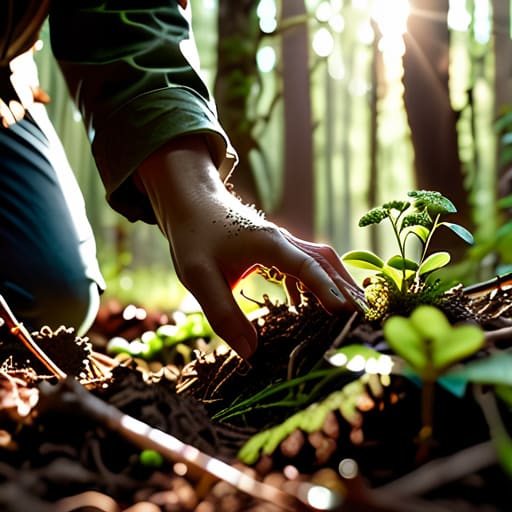
If you’ve ever spent a morning in the woods pruning back overgrown brambles to let the sunlight reach the forest floor, you already understand the heart of the zero-based budgeting method. In nature, excessive growth can sometimes choke out the very things we want to flourish. Budgeting works much the same way. Instead of letting your income scatter like windblown seeds, you assign every single dollar a specific purpose—whether it’s for your rent, a bag of organic flour, or your growing savings. When you give every cent a “job,” you ensure that no resource is left to wither away unnoticed.
This process is essentially about intentionality. By tracking monthly expenses with a keen eye, you can identify those little financial “weeds”—those small, recurring costs that seem insignificant but gradually crowd your financial garden. When your income minus your expenses equals exactly zero at the end of your planning session, you haven’t “lost” money; rather, you’ve successfully directed every bit of energy toward your personal goals. It’s a way of ensuring your financial ecosystem remains balanced, vibrant, and prepared for whatever season comes next.
Nurturing Your Financial Ecosystem: 5 Tips for a Flourishing Budget
- Track Your Resources Like a Seasonal Foraging Log: Before you can plan your harvest, you have to know what’s actually growing in your garden. Spend a month jotting down every single cent that flows in and out; you might be surprised to find “weeds” in your spending—like those daily takeout coffees—that are stealing nutrients from your long-term goals.
- Categorize with Purpose, Not Just Precision: Think of your expenses like different layers of a forest. You have your “canopy” expenses (the non-negotiables like rent and utilities that provide structure) and your “understory” expenses (the more flexible, lifestyle choices). Knowing which is which helps you decide what to trim when a dry season hits.
- Build a Buffer for Nature’s Unpredictability: In the woods, a sudden storm can change everything in an instant. Your budget needs a “rainy day” contingency fund—a little bit of extra mulch for your savings—to protect you when an unexpected car repair or a sudden medical bill tries to uproot your financial stability.
- Practice the Art of Seasonal Adjustments: Just as we shift our focus from spring planting to autumn harvesting, your budget shouldn’t be a static, frozen thing. Review it monthly to see how your needs are evolving; perhaps after a summer of travel, you need to lean more into “winterizing” your savings.
- Celebrate the Small Blooms: It’s easy to get discouraged if you aren’t hitting massive milestones immediately, but even the smallest sprout is a victory. If you managed to stay under your grocery limit this week, take a moment to appreciate that growth—it’s the consistent, small wins that eventually create a lush, sustainable life.
Tending to Your Financial Ecosystem
As we wrap up our journey through the soil of personal finance, remember that budgeting isn’t about restriction; it’s about intentionality. We’ve looked at how to plant those initial seeds of growth and how to use the zero-based method to prune away the excess, ensuring every single dollar has a purpose in your garden. Just as I wouldn’t dream of harvesting a mushroom without first ensuring the forest floor is healthy and balanced, you shouldn’t track your spending without looking at the bigger picture of your long-term stability. By identifying your expenses and directing your resources with care, you are essentially cultivating a resilient ecosystem that can withstand the unexpected seasons of life.
Please, be gentle with yourself as you navigate this new landscape. Much like learning to identify the subtle difference between a delicious Chanterelle (Cantharellus cibarius) and something less palatable, mastering your finances takes time, patience, and a bit of trial and error. There will be months where the weeds grow faster than you can pull them, but don’t let that discourage you from continuing your work. View every misstep as a chance to learn more about your own patterns. If you stay consistent and approach your money with mindful curiosity, you will eventually find yourself standing in a lush, flourishing landscape of financial peace and abundance.