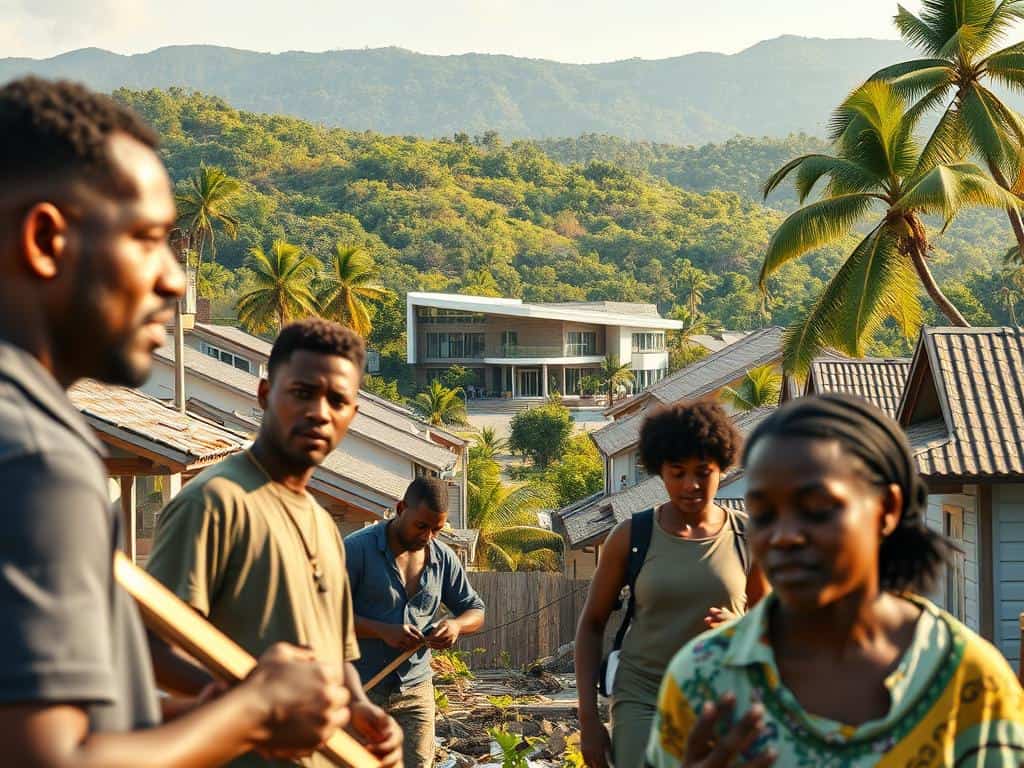
Imagine standing in what used to be a lively town. Laughter and hope once filled its streets. After a terrible disaster, this place turned into ruins. I saw buildings turned to dust and places we loved changed into sad memories. But there was also a strong spirit of togetherness. People joined hands, driven by shared loss and a strong will to rebuild. They didn’t just want to get back to where they were. They aimed to become stronger, taking on challenges as chances to grow. Their story tells us that hope and teamwork can light up the darkest times.
Key Takeaways
- Community resilience plays a crucial role in recovery.
- Facing destruction, towns can transform adversity into opportunity.
- Grassroots efforts are vital for rebuilding.
- Collaboration among residents leads to stronger communities.
- Innovative practices pave the way for sustainable rebuilding.
The Aftermath: A Glimpse into the Devastation
Natural disasters change communities in big ways, reshaping landscapes and lives. The aftermath shows not just the broken buildings but deep emotional and social effects too. The loss of life, homes, and safety challenges towns deeply.
Understanding the Impact of Natural Disasters
Natural disasters do more than just destroy buildings. They bring grief and confusion. People lose their homes, businesses, and places they love. Survivors, like those from California’s Camp Fire or Vermont’s Tropical Storm Irene, face emotional pain that stays long after the disaster.
Immediate Challenges Faced by the Community
After a disaster, communities face big challenges right away. It’s hard to deal with the loss and get the resources needed for recovery. Decisions about moving, rebuilding, and getting help must happen quickly. This tough time makes communities confront their weaknesses and look for creative ways to rebuild.
Community Resilience: The Heart of Recovery
When tough times hit, we see how strong communities can be. Grassroots actions become key in rebuilding. Places like Greensburg, Kansas, show this. Here, locals came together to start rebuilding, showing unity is powerful.
Grassroots Efforts in Rebuilding
Grassroots actions are at the heart of a community’s comeback. Groups like the Vermont Downtown Action Team (V-DAT) help a lot. They gather people and lead projects to make things better. These efforts are crucial not just for now but for the future too.
Collaboration Between Local Organizations and Residents
Working together, locals and organizations rebuild better. This team effort brings new ideas and solutions. Seeing communities work together shows how valuable partnership is. It makes the foundation for recovery stronger.
Leveraging Federal Support and Grants
Federal help and grants are a big boost to community projects. They help fix infrastructure and make places resilient. When locals work with this support, the results are amazing. It shows that together, they can do great things.
Innovative Approaches to Rebuilding
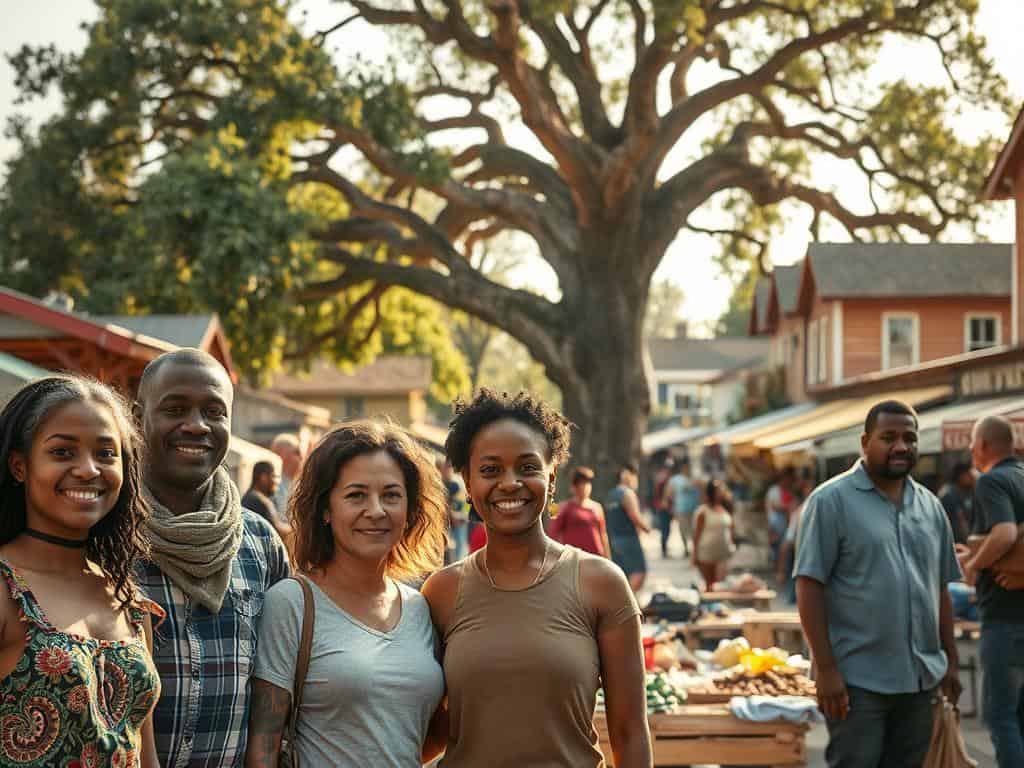
Communities are working hard to bounce back after disasters, and innovative rebuilding is key. They are using new ways that focus on being strong and lasting. With sustainable practices and nature-based solutions, they’re not just fixing things but making them better for the future.
Utilizing Sustainable Practices and Infrastructure
Towns are turning to sustainable practices as they rebuild. They’re making things that save energy and are good for the planet. For instance, putting green roofs and solar panels on public buildings cuts down on energy use and helps the environment.
They choose materials that lessen waste and encourage recycling. This approach goes beyond just fixing the present. It aims at caring for our environment in the long run.
Incorporating Nature-Based Solutions in Urban Planning
When cities plan with nature-based solutions, they get ahead of disaster damage. Think of green spaces and parks as flood protection. For example, rain gardens and paths that let water through reduce flooding and add to city beauty.
These ideas help cities to be resilient and live well with nature. They aim to improve health, economy, and nature’s wellbeing. It’s about building ecosystems that benefit everyone.
Conclusion
The road to recovery for a community after a disaster is both tough and heartwarming. Seeing a town bounce back has shown me how powerful being united and having a plan can be. The stories I’ve looked into show that when people, local groups, and the government work together, amazing changes happen, even when things look bad.
As we look forward, making sure our communities can face future challenges is key. Using sustainable and new methods is not just a choice, it’s a must. This helps our towns not only recover but also get stronger and more flexible.
This journey has taught me that from ruins, hope can emerge. Thinking about how people come together to rebuild, shows it’s not just about bringing back what was lost. It’s about building a future where being resilient is part of who we are. It shows us that together, we can get past the toughest times.