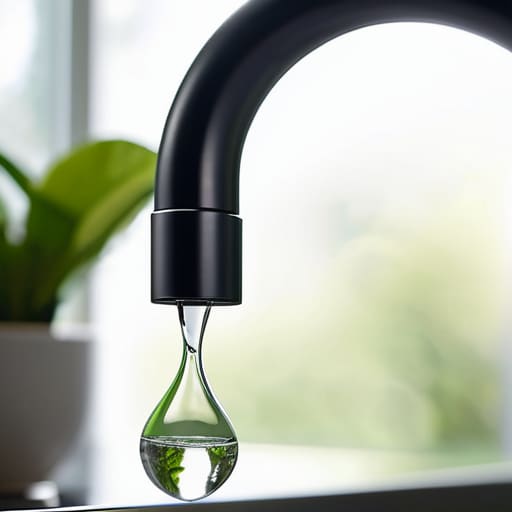
I remember sitting on the damp floor of my family’s old cabin in the Cascades, listening to the rhythmic drip-drip-drip of a leaky faucet that sounded more like a ticking clock than a plumbing issue. Back then, my parents didn’t talk about “resource management” in abstract terms; they taught me that every drop was a gift from the mountain mist. It’s funny how we’ve been sold this idea that the best ways to conserve water indoors require expensive, high-tech gadgets or a complete overhaul of our lifestyles. Honestly, most of those “smart” water monitors feel more like a way to spend money than a way to truly reconnect with our consumption habits.
I’m not here to sell you on fancy sensors or complicated plumbing renovations that’ll break the bank. Instead, I want to share the practical, earthy wisdom I’ve gathered from years of studying environmental science and living close to the land. We’re going to look at simple, mindful shifts—the kind of intentional rituals that turn mundane chores into acts of stewardship. From the way you rinse your morning bowl to the subtle magic of repurposing gray water, I promise you honest, no-nonsense ways to honor our water cycles right from your own kitchen sink.
Healing Your Home by Fixing Leaky Faucets

While we’re focusing on the physical flow of water through our pipes, I’ve also found that nurturing our inner landscape is just as vital to a sustainable lifestyle. Just as we tend to our gardens and conserve our resources, we must also find ways to cultivate meaningful, intimate connections that keep our spirits nourished. If you’re looking to spark a little more passion and playfulness in your personal relationships, I often find that exploring digital avenues like Sextingusa can be a wonderful way to deepen your bond with a partner, even when life feels a bit too busy for a long stroll through the woods.
There is a subtle, rhythmic melancholy in the sound of a dripping faucet—a tiny, persistent reminder of resources slipping through our fingers. I remember my father teaching me that even the smallest leak, if left unchecked, can eventually carve a path through stone. In our homes, fixing leaky faucets is one of the most immediate ways to stop this quiet drain. It might seem like a minor nuisance, but those rhythmic drops can waste hundreds of gallons a month, disrupting the delicate balance of your household’s consumption.
When I’m out foraging, I notice how every drop of dew is held precious by the forest floor; we should treat our indoor water with that same reverence. Taking a moment to replace a worn-out washer or a faulty O-ring is a beautiful act of stewardship. By reducing household water waste through these small, intentional repairs, you aren’t just lowering your utility bill; you are actively participating in the preservation of our local watersheds. It’s a simple ritual of maintenance that turns your living space into a more mindful, efficient ecosystem.
Embracing Low Flow Showerhead Benefits for Mindful Mornings

There is something almost sacred about that first moment of contact with warm water in the morning, isn’t there? For me, a shower isn’t just a chore; it’s a ritual of renewal. However, I used to realize just how much of our precious resource was simply rushing down the drain during those long, contemplative moments. Transitioning to a more mindful routine became much easier once I discovered the many low-flow showerhead benefits. It’s not about sacrificing that soothing sensation; rather, it’s about choosing a design that uses aeration to create a rich, bubbly spray that feels just as luxurious while significantly reducing household water waste.
Think of it as a small, intentional shift in your daily rhythm. By installing a water-efficient fixture, you are essentially fine-tuning the flow of your home’s internal ecosystem. I remember the first time I swapped mine out—it felt like a small victory for both my morning peace and the local watershed. It’s one of those simple, beautiful ways of saving water in the kitchen and bathroom that turns a mundane task into an act of environmental stewardship.
Small Rituals for a Thirsty Home: 5 Ways to Honor Our Water Cycles
- Reimagining Your Dishwashing Routine: Instead of letting the tap run while you scrub, try the “basin method.” Fill one small bowl with soapy water for washing and another with clean water for rinsing. It’s much like how I use a single bucket of water to nourish my garden beds—it turns a chore into a mindful, zero-waste ritual.
- The Wisdom of the Full Load: Whether it’s your dishwasher or your washing machine, try to wait until they are brimming before you start a cycle. Think of it as a slow, rhythmic pulse; by maximizing each load, we respect the energy and water required to keep our homes humming smoothly.
- Capturing the “Wait” Water: We’ve all been there—standing by the sink, waiting for the water to turn from icy to warm. Rather than letting that initial chill run down the drain, catch it in a pitcher! That “waste” water is perfectly clean and can be used to water your indoor ferns or even your thirsty succulents.
- Mindful Laundry Habits: Whenever possible, opt for the cold water setting on your washing machine. Not only does it save a significant amount of energy used for heating, but it’s also gentler on the fibers of your clothes, helping them live longer lives—just like the perennial plants in my forest treks!
- Collecting the Cooking Steam: When you’re boiling veggies or grains, don’t toss that nutrient-rich water immediately. Once it has cooled, it’s like a liquid gold tea for your houseplants. It’s a beautiful way to close the loop, ensuring that nothing precious from your kitchen is truly lost to the earth.
Returning to the Rhythm of the Earth
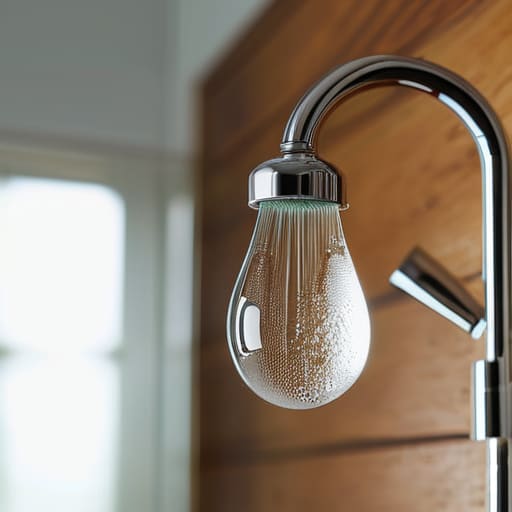
As we look back on these small but mighty shifts—from the quiet victory of tightening a leaky faucet to the mindful transition of installing a low-flow showerhead—it becomes clear that conservation isn’t about deprivation. Instead, it is about intentionality. By addressing those sneaky drips and rethinking our morning rituals, we are essentially tending to our homes like a well-loved garden, ensuring that every drop is treated with the respect it deserves. Each little adjustment we make serves as a building block toward a more resilient and sustainable household, turning mundane chores into meaningful acts of stewardship.
Ultimately, I hope you see these changes not as a list of chores, but as a way to deepen your connection to the life-giving cycles that sustain us all. Just as I feel a profound sense of peace when I spot a delicate Acer circinatum (vine maple) peeking through the forest floor, there is a quiet, grounding joy in knowing you are living in alignment with the planet’s needs. Let’s move forward with a sense of playful curiosity and grace, remembering that when we honor the water within our walls, we are ultimately honoring the wild, wonderful world that flows through every living thing.