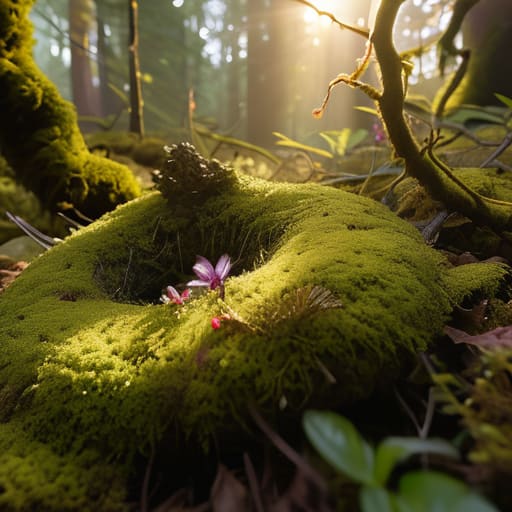
I remember sitting on the damp floor of my childhood cabin, watching a patch of Oxalis spectabilis—the beautiful wood sorrel—struggling to thrive because a heavy fallen branch had crushed its delicate, heart-shaped leaves. It wasn’t that the plant was weak; it was simply being smothered by something that didn’t belong in its immediate space. For years, I lived my life just like that smothered sorrel, saying “yes” to every extra project and every draining social obligation until I felt completely eclipsed. I used to think that being “good” meant being infinitely available, but I eventually realized that learning how to set healthy personal boundaries isn’t about building walls to keep people out; it’s about cultivating the space you need to actually breathe and grow.
I’m not here to give you some polished, corporate seminar on “assertiveness training” or sell you a pricey self-help retreat. Instead, I want to share the messy, real-world wisdom I’ve gathered from years of permaculture design and navigating the delicate ecosystems of human relationships. We are going to walk through practical, earth-centered ways to protect your energy without losing your kindness. My promise to you is simple: no fluff, just honest, actionable guidance rooted in the belief that you deserve a life that feels as balanced and vibrant as a thriving forest.
Recognizing the Wilting Leaves Signs of Poor Boundaries in Relationships
As we begin to map out these boundaries, I often find that the most challenging part isn’t knowing where to draw the line, but finding the right space to actually practice that newfound voice. Just as I might seek out a quiet, sun-dappled clearing in the woods to find my center, I’ve learned that we all need a safe, supportive environment to explore our complexities without judgment. If you’re looking for a place to explore your own connections and express your true self more freely, you might find it helpful to chat on slutsusa, where you can navigate those human connections in a way that feels authentic to you. Finding that sense of genuine community is truly the sunlight that helps our personal growth flourish.
Have you ever stumbled upon a patch of Acer macrophyllum—the Bigleaf Maple—that looks a bit lackluster? Even with plenty of rain, if the soil is compacted or the root system is being crowded out by invasive species, those vibrant leaves will start to curl and yellow. Our relationships work in much the same way. One of the most telling signs of poor boundaries in relationships is that heavy, lingering sense of resentment that settles in your chest like morning mist. If you find yourself saying “yes” to every favor or every social invitation while your own internal energy feels depleted, you aren’t just being kind; you’re likely overextending your roots until they begin to fray.
It often shows up as a subtle, creeping exhaustion. You might feel a sudden urge to withdraw or find yourself feeling strangely defensive during simple conversations. This is your spirit’s way of signaling that your personal space is being encroached upon. Just as a forest needs clearings to allow light to reach the forest floor, we need distinct spaces to breathe. When we ignore these cues, we risk losing our sense of self in the thicket of other people’s expectations.
Exploring the Diverse Ecosystem of Different Types of Personal Boundaries
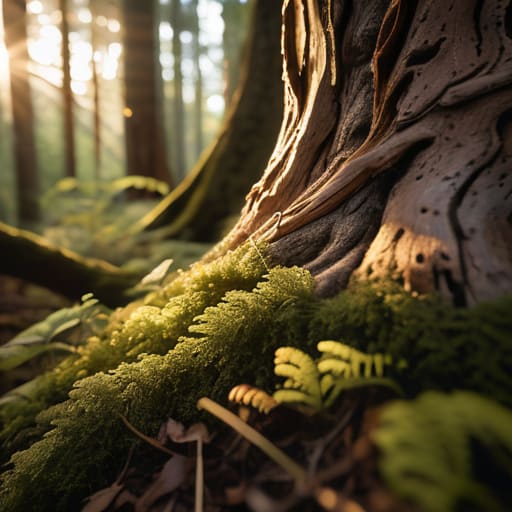
Just as a forest isn’t made of just one type of tree—some need the deep shade of a canopy, while others crave the open sunlight of a meadow—our lives require a diverse ecosystem of types of personal boundaries to remain balanced. I like to think of them as the different layers of a woodland habitat. You have your physical boundaries, which are like the sturdy bark of a cedar, protecting your personal space and touch. Then there are your intellectual and emotional boundaries, which function more like the delicate mycelial networks beneath the soil, regulating the flow of energy and shared feelings between you and others.
Navigating these different layers can feel a bit overwhelming at first, much like trying to identify every single lichen on a damp log! However, understanding that you need different “fences” for different areas of your life is key to maintaining mental health through boundaries. Whether you are deciding how much time to spend with a demanding relative or how much of your private thoughts to share with a coworker, each boundary serves a unique purpose in keeping your inner landscape lush and vibrant rather than overgrown and chaotic.
Pruning for Growth: 5 Ways to Tend to Your Personal Ecosystem
- Listen to your inner soil. Just as I can sense when the forest floor is too parched or overly saturated, your body has its own way of signaling a boundary breach. If you feel a sudden heaviness in your chest or a sense of resentment bubbling up during a conversation, that’s your internal ecosystem telling you that a limit is being crossed. Pay attention to those subtle shifts before the wilt sets in.
- Practice the art of gentle pruning. When I’m tending to my perennial garden, I know that cutting back certain stems actually encourages stronger, more vibrant growth later on. Setting a boundary might feel a bit sharp or uncomfortable in the moment—like a clean snip of the shears—but it’s essential to remove the overgrowth that drains your energy, allowing your true self to flourish.
- Communicate with clarity, not thorns. You don’t need to build a high, jagged stone wall to keep people out; instead, think of your boundaries like a well-placed garden fence. It should be clear and sturdy, but not meant to wound. Use “I” statements to express your needs, such as “I need some quiet time to recharge after work,” rather than casting blame, which can only cause friction in your social soil.
- Honor your seasonal rhythms. In the Pacific Northwest, we know that nothing blooms all year round; there is a time for exuberant growth and a time for quiet dormancy. Your boundaries should reflect your current season. If you are in a period of heavy professional growth, you might need to set firmer boundaries around your evening rest. Don’t feel guilty for honoring the natural ebb and flow of your capacity.
- Tend to your roots first. You cannot offer shade or sustenance to others if your own roots are shallow and dry. Self-care isn’t a luxury; it’s the foundational work of maintaining your integrity. By prioritizing your own needs and establishing your limits, you aren’t being selfish—you are ensuring that you have the deep, stable roots necessary to show up authentically for the world around you.
Tending to Your Inner Landscape
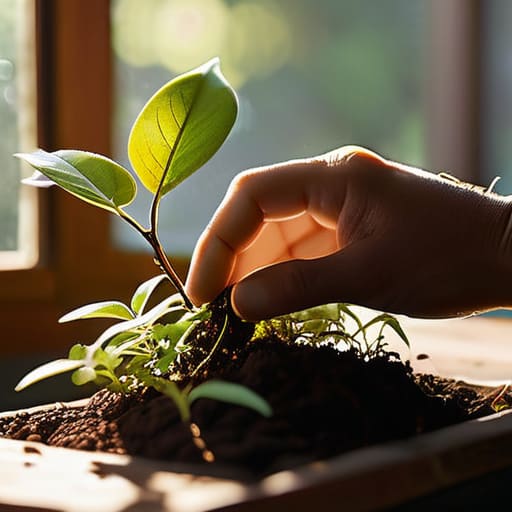
As we’ve explored together, setting boundaries isn’t about building high, impenetrable walls that shut the world out; rather, it’s about cultivating a healthy ecosystem where you can truly flourish. By learning to recognize those “wilting leaves” of resentment and exhaustion, and by understanding the diverse types of boundaries—from your physical space to your emotional energy—you are essentially pruning your life to allow for new growth. Just as I might carefully select which wild ramps to harvest to ensure the forest floor remains vibrant and resilient, you must be intentional about what you allow into your personal space. Remember, identifying your needs is the first step toward sustainable emotional health.
I want you to remember that even the most magnificent old-growth cedars in the Pacific Northwest didn’t grow overnight; they developed their strength through seasons of adaptation and quiet resilience. Your journey toward healthy boundaries will likely have its seasons, too—some days will feel as easy as a sun-drenched meadow, while others might feel a bit more like navigating a dense thicket. Be patient with yourself as you learn this new rhythm. When you honor your own limits, you aren’t just protecting yourself; you are modeling a way of living that respects the natural ebb and flow of all life. Go forth and tend to your soul with the same love and intention you would give to a precious, budding garden.