
Last Saturday, as I was in my kitchen, I looked outside. My neighbor was carefully sorting his recycling. It hit me how small actions can lead us towards a sustainable life.
I’ve always been aware of my carbon footprint, knowing little changes can reduce emissions. These changes significantly help our environment. From biking instead of driving to saving energy at home, living with less impact is possible for all.
With climate change looming over us, I feel the need to act. That’s why I’m sharing ways to live better for our planet. By adopting these measures, we can create a healthier world together.
Key Takeaways
- Understanding the significance of your carbon footprint.
- Exploring practical strategies to reduce emissions.
- Implementing a low-impact lifestyle can be achievable for everyone.
- Finding ways to boost energy efficiency at home.
- Making informed transportation choices contributes to sustainability.
- Learning about carbon offsets as a way to balance your impact.
Understanding Your Carbon Footprint
Understanding your carbon footprint is crucial for our environment’s health. It includes all the greenhouse gases we emit through daily activities. Aside from carbon dioxide, this also covers gases like methane and nitrous oxide. Learning about our emissions helps us see how we affect climate change.
What is a Carbon Footprint?
My carbon footprint shows the greenhouse gases I produce, mainly from using energy, traveling, and my diet. It helps me see where I can cut down on emissions. Studies say we need to lower our carbon footprint to 1.87 tons per person by 2050. Right now, it’s 18.3 tons per person in the U.S., which means we have a long way to go.
The Global Context
To understand the emissions gap, we need to look at the world. For example, China emits a lot of greenhouse gases. This shows we all share the duty to reduce emissions. By choosing a lifestyle with lower carbon emissions, I help in a global effort that benefits everyone.
Strategies for Reducing Your Carbon Footprint
Living in a time where the planet needs our help, small steps can make a big difference. By living more simply, making our homes more energy-efficient, and choosing how we get around wisely, we can cut down on our carbon emissions. This helps in fighting climate change effectively.
Adopting a Low-Impact Lifestyle
Starting with simple changes can lead to a low-impact life. Eating more plants and wasting less food cuts down on emissions. Choosing food that’s grown locally and in season supports farmers and keeps meals fresh and healthy.
Energy Efficiency at Home
It’s important to use energy wisely at home. I check my house to see where energy might be wasted. Doing easy things like using LED bulbs, setting the water heater right, and unplugging gadgets when not in use saves energy. This lowers my bills and helps the planet too.
Transportation Choices
I think carefully about how I travel. For short trips, walking or cycling is great. For longer trips, public transport or sharing a ride is better. Choosing these options cuts down on pollution and is good for my health as well.
Offsetting Your Carbon Footprint
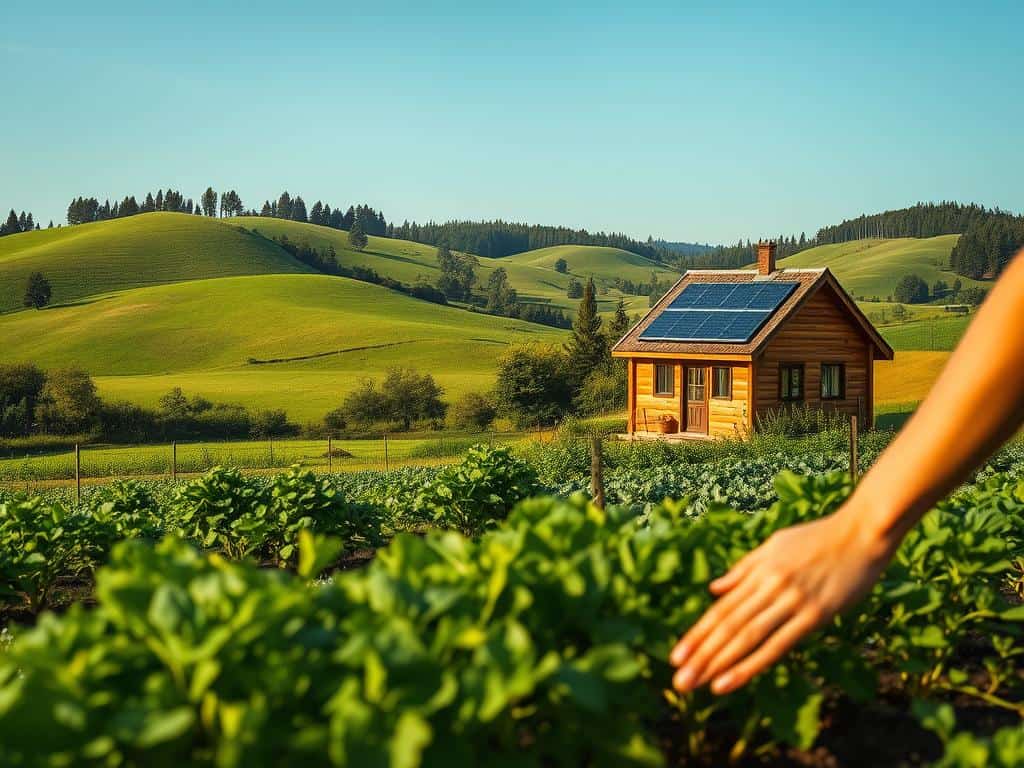
Offsetting my carbon footprint means supporting initiatives to cut greenhouse gas emissions. Buying these offsets helps fund projects like planting trees and advancing renewable energy. Companies such as Myclimate and Terrapass are leading in funding these efforts, providing real benefits and letting people make a real difference.
What are Carbon Offsets?
Carbon offsets are financial contributions to projects that reduce emissions. Each offset equals a ton of CO2 emissions prevented or removed from the air. By buying offsets, I’m joining a worldwide effort to fight climate change. Projects like growing new forests and using clean energy help lower emissions a lot.
How to Purchase Offsets
Buying carbon offsets is easy and can be done in many ways. Online platforms let me pick projects that match my interests. When choosing offsets, understanding their impact is key. This way, I back sustainable efforts and take a step towards minimizing my carbon footprint.
Conclusion
Understanding my carbon footprint is key in fighting climate change. I’ve learned that living more sustainably can greatly cut down on harmful gases. By choosing simpler ways to live, using less energy, and picking greener ways to travel, every bit helps.
When I take these steps, I start a wave of change that spreads. The changes I make can encourage others to act too. By choosing to live greener, I help the planet and motivate others.
I also see how important it is to vote for leaders who care about the Earth. Big changes need both our daily choices and new laws. Working together, we can build a greener world and really fight climate change.