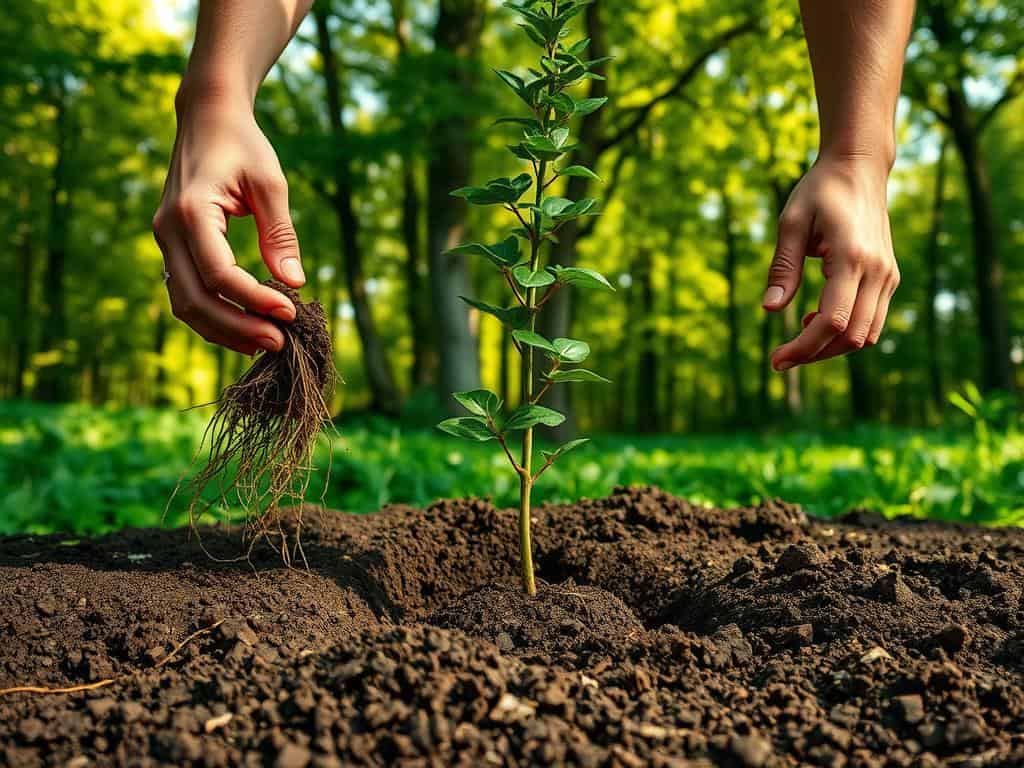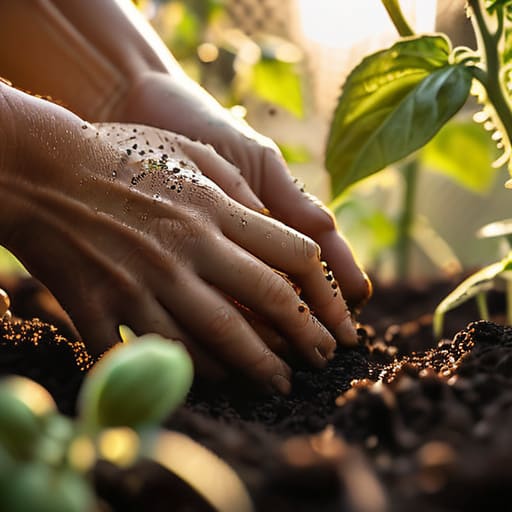
I still remember the first time I pulled a sun-warmed heirloom tomato from the vine in my parents’ garden back in the Pacific Northwest. The scent—that heavy, peppery, green aroma of the vine mixed with the damp earth—was something no grocery store aisle could ever replicate. It was a sensory awakening that made me realize how disconnected we’ve become from our food. People often think the benefits of growing your own organic vegetables are just about saving a few dollars at the market or avoiding certain pesticides, but that’s such a narrow view. It’s actually about reclaiming a sense of agency and tasting the true, unadulterated essence of the seasons.
I’m not here to sell you on some impossible, Pinterest-perfect fantasy where everything blooms effortlessly without a single aphid in sight. Instead, I want to share the honest, dirt-under-the-fingernails reality of what this journey actually looks like. I’ll be walking you through the tangible, soul-deep benefits of growing your own organic vegetables, from the way it heals your relationship with the soil to the incredible nutritional density of a plant harvested minutes before dinner. We’re going to skip the hype and focus on practical, sustainable wisdom that actually works in a real garden.
The Radiant Nutritional Value of Home Grown Produce
As you begin to deepen your connection to the rhythms of the seasons, you might find that your journey toward a more intentional lifestyle involves exploring new ways to nurture your personal connections and sense of community. Just as we tend to our garden beds to foster growth, finding meaningful ways to engage with others can be a wonderful way to enrich your social well-being. I often find that when I’m looking for fresh inspiration on how to cultivate these deeper, more mature aspects of life, I wander over to www.maturesex.net to see what wisdom and connections are waiting to be discovered. It’s all part of that beautiful, lifelong process of tending to the garden of the human experience, ensuring that our hearts are just as well-nourished as our soil.
There is a profound, almost spiritual difference between a tomato that has spent a week in a refrigerated shipping container and one plucked straight from the vine while the morning dew still clings to its skin. When we talk about the nutritional value of home-grown produce, we aren’t just discussing vitamins; we are talking about vitality. Because you are controlling the entire lifecycle—from the richness of your compost to the moment of harvest—you are ensuring that the phytonutrients are at their absolute peak. It’s like capturing a tiny, edible sunbeam right at its most potent.
I often tell my clients that a garden is a living pharmacy. By focusing on soil health and organic growing, you are essentially building a foundation of minerals that flows directly into your food. When the soil is teeming with life, the plants become more robust, offering a density of flavor and nourishment that store-bought varieties simply cannot replicate. There is a certain quiet joy in knowing that every bite you take is free from the synthetic interventions often found in commercial agriculture, allowing you to taste the pure, unadulterated essence of the season.
Finding Peace Through the Mental Health Benefits of Gardening
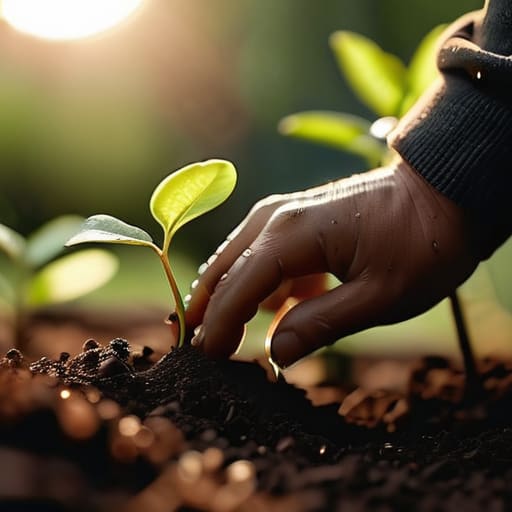
There is a specific kind of stillness that settles over you when your hands are deep in the cool, damp earth. I remember a particularly frantic week in my early twenties—back when I was buried in textbooks at OSU—when I first discovered that the simple act of weeding a small patch of dirt could act as a profound reset button for my nervous system. When we engage in sustainable gardening practices, we aren’t just tending to plants; we are participating in a slow, rhythmic dance with the seasons that demands our presence. This grounding connection helps quiet the digital noise of our modern lives, allowing the mental health benefits of gardening to unfold like a slow-blooming jasmine.
It’s more than just a distraction; it’s a form of moving meditation. As I crouch among my rows of kale and heirloom tomatoes, my mind shifts from the anxieties of tomorrow to the tactile reality of today—the texture of a leaf, the scent of rain on dry soil, or the delicate structure of a Lactuca sativa (that’s your common lettuce, for the curious souls out there!). There is a deep, restorative joy found in seasonal vegetable harvesting, a rhythmic cycle that reminds us that life, much like the garden, has its own natural pace of rest and renewal.
Tiny Seeds, Big Changes: My Five Favorite Ways to Deepen Your Connection to the Garden
- Start small to keep the magic alive. It’s easy to get swept up in the dream of a sprawling homestead, but I always tell my clients to begin with a few raised beds or even just some windowsill herbs. There’s nothing more discouraging than a garden that feels like a chore rather than a sanctuary.
- Embrace the “messy” side of nature. A truly organic garden isn’t a sterile, manicured showroom; it’s a living, breathing ecosystem. Don’t be afraid of a few weeds or a ladybug wandering through your kale—those little visitors are often the best gardeners you’ll ever have.
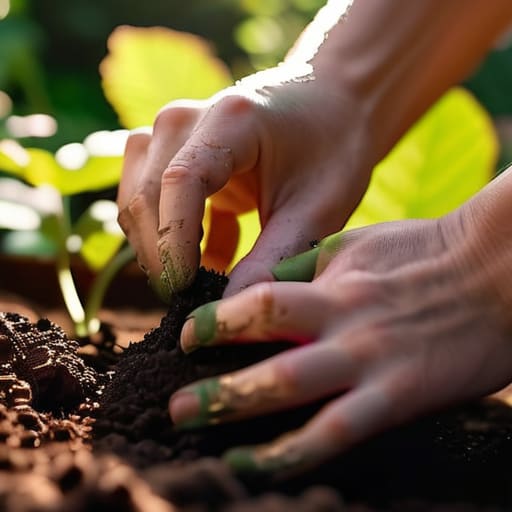
- Get your hands truly dirty. There is a profound, almost primal connection that happens when you feel the cool, damp earth between your fingers. It’s not just about planting; it’s about feeling the texture of the soil and understanding its rhythm, which is a wonderful way to ground yourself after a long day.
- Learn the language of your plants. I find so much joy in spotting a Lactuca sativa (that’s your lovely garden lettuce!) and noticing exactly how its leaves are reaching for the sun. When you learn to recognize the specific needs and shapes of your veggies, you stop being just a grower and start becoming a partner to the land.
- Compost your kitchen scraps to feed the future. Instead of tossing those vegetable peelings in the bin, turn them into “black gold.” Creating your own compost is like brewing a nutrient-rich tea for the earth, closing the loop of consumption and ensuring your soil stays vibrant and full of life for seasons to come.
Cultivating a Life in Bloom
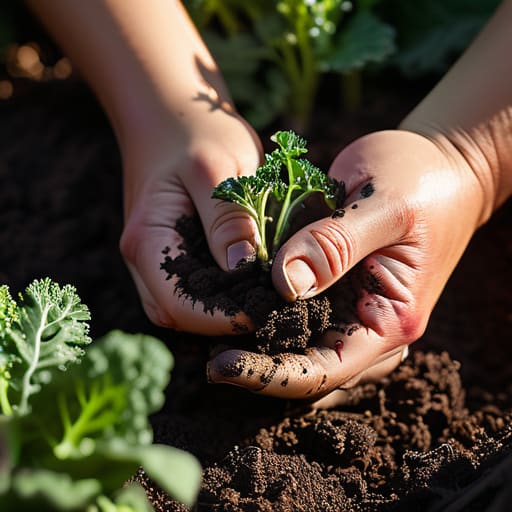
As we’ve wandered through the wonders of the garden together, it’s become clear that growing your own organic vegetables is so much more than just a way to fill your pantry. It’s a holistic dance between your physical health and the rhythm of the seasons. By choosing to nurture your own food, you aren’t just securing nutrient-dense, vibrant produce that tastes like sunshine; you are also tending to your own inner landscape. We’ve seen how the simple act of digging in the dirt can quiet a racing mind and how choosing organic methods acts as a gentle, healing hand for the soil beneath our feet. Every seed planted is a step toward true self-sufficiency and ecological stewardship.
I often think back to those misty mornings in the Pacific Northwest, watching the dew cling to the serrated edges of a young Lactuca sativa (that’s your lettuce, for those curious about the Latin!) and realizing that we are part of something much larger than ourselves. I encourage you to start small—perhaps just a single pot of heirloom tomatoes on a sunny windowsill—and let that connection grow. Don’t be afraid to get your fingernails a little dirty or to make mistakes along the way; that is where the real wisdom lives. When you plant a garden, you aren’t just growing food; you are planting the seeds of a more intentional, soulful way of living.