I was sitting on my back porch last Tuesday, the damp scent of cedar and decaying leaves filling the air, when I realized my favorite old linen shirt felt more like a part of me than my own skin. It’s a stark, beautiful contrast to that scratchy, synthetic “eco-blend” I picked up last year that felt more like wearing a plastic grocery bag than a garment. We often get caught up in the dizzying whirlwind of greenwashing labels, but learning how to choose sustainable clothing materials shouldn’t feel like solving a complex chemistry equation or emptying your savings account. It should feel as intuitive as recognizing the serrated edge of a Rubus spectabilis—the salmonberry leaf—amongst the greenery.
As you begin to untangle the complexities of your wardrobe, I often find that the most rewarding part is finding a community of like-minded souls to share these discoveries with. It can feel a bit overwhelming to navigate the shift toward conscious consumption all at once, but you don’t have to do it in isolation. If you’re looking for a space to dive deeper into meaningful, unfiltered conversations about lifestyle and connection, I’ve been spending some time exploring dirty chat, which has been such a wonderful way to find perspective when I’m feeling stuck. Connecting with others helps us realize that every small, intentional choice we make—down to the very threads on our backs—is a beautiful step toward healing our relationship with the world.
I’m not here to sell you on expensive, high-fashion “green” trends that don’t actually serve the planet. Instead, I want to pull back the curtain and share the honest, dirt-under-the-fingernails wisdom I’ve gathered from years of environmental study and slow living. We are going to strip away the marketing fluff and look at the actual fibers, from the regenerative strength of hemp to the gentle breathability of organic cotton. My promise to you is simple: no hype, just practical, earth-centered guidance to help you build a wardrobe that honors the natural world as much as it honors your own comfort.
An Eco Friendly Fabric Guide for Your Soul
When I’m out wandering through the mossy undergrowth of the Cascades, I’m often struck by how everything—from the decaying cedar needles to the budding ferns—is part of a perfect, closed loop. Bringing that same intention to our closets can feel a bit daunting at first, but think of this eco-friendly fabric guide as your personal compass for navigating the wild world of textiles. Instead of just looking at a tag, try to sense the lineage of the garment. Are you wearing something that grew toward the sun, or something reclaimed from what we once cast aside?
If you’re weighing the merits of organic cotton vs recycled polyester, remember that the soul of a garment often lies in its ability to return to the earth. I always lean toward biodegradable clothing fibers like hemp or linen; they feel incredibly grounding against the skin and, much like a fallen leaf in my backyard, they eventually nourish the soil rather than cluttering a landfill. Choosing these materials is a beautiful way to honor the delicate balance of our ecosystems with every single thread you wear.
Understanding the Environmental Impact of Textile Production
It’s easy to get swept up in the soft texture of a new sweater without pausing to wonder about its journey to your closet. Behind every garment lies a complex story of water, energy, and chemistry. When we look closely at the environmental impact of textile production, we see that the “hidden” costs are often the highest. From the massive amounts of water required to grow conventional crops to the heavy chemical runoff from synthetic manufacturing, our clothing choices ripple far beyond our own wardrobes, affecting the very soil and waterways I spent my childhood exploring.
One of the most eye-opening realizations for me was learning about the tension between organic cotton vs recycled polyester. While one seeks to heal the soil, the other attempts to manage our existing waste, yet both come with unique footprints. It isn’t just about the fiber itself, but how it was treated—look for brands prioritizing low impact dyeing processes to ensure our rivers stay as clear as a mountain stream. By understanding these layers, we move from being mere consumers to becoming mindful stewards of the Earth’s precious resources.
Cultivating a Mindful Wardrobe: 5 Ways to Honor the Earth with Every Thread
- Seek out the “old souls” of the textile world—natural fibers like organic cotton, hemp, and linen. These plants, much like the Urtica dioica (common nettle) I often spot near my forest trails, grow with a resilience that doesn’t require heavy chemical intervention, making them much kinder to our soil.
- Let your curiosity guide you toward regenerative materials. Look for Tencel or Lyocell, which are crafted from wood pulp in a closed-loop process; it’s a bit like the way a forest floor recycles its own nutrients, ensuring nothing goes to waste.
- Become a detective for certifications. When you see labels like GOTS (Global Organic Textile Standard) or OEKO-TEX, think of them as a botanical field guide for your clothes, verifying that no nasty toxins were used in the making of your favorite sweater.
- Embrace the beauty of the “pre-loved.” Before reaching for something brand new, wander through a local thrift shop or an online vintage boutique. Giving a garment a second life is the ultimate way to respect the energy and resources that went into its creation.
- Prioritize quality over quantity to slow down the cycle of consumption. It’s better to have one beautifully woven linen shirt that ages gracefully with you—much like a sturdy cedar tree—than five flimsy synthetic pieces that will end up in a landfill by next season.
Weaving a New Story
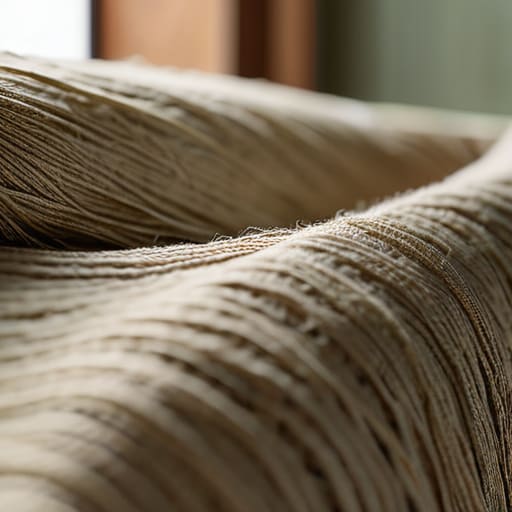
As we’ve wandered through the intricate landscape of textiles together, I hope you feel a little more grounded in your choices. From the breathable, sun-soaked goodness of organic linen to the sturdy, resilient embrace of hemp, every fiber carries a story of how it was raised and harvested. Remember, choosing sustainable materials isn’t just about checking a label; it’s about understanding the lifecycle of what we wear and acknowledging the heavy footprint that conventional synthetics can leave behind. By prioritizing natural, regenerative fibers and being mindful of the water and energy used in production, you are actively participating in a gentler cycle of consumption that respects both the weaver and the earth.
At the end of the day, your wardrobe is a reflection of your values and a quiet, daily vote for the kind of world you want to inhabit. I like to think of each garment as a small, wearable piece of the ecosystem—a way to carry the essence of the forest or the meadow with you wherever you go. Don’t feel pressured to overhaul everything overnight; instead, let your curiosity lead you. Start small, buy less, and choose pieces that feel like a soulful connection to the natural world. When we dress with intention, we aren’t just wearing clothes; we are honoring the beautiful, living tapestry that sustains us all.