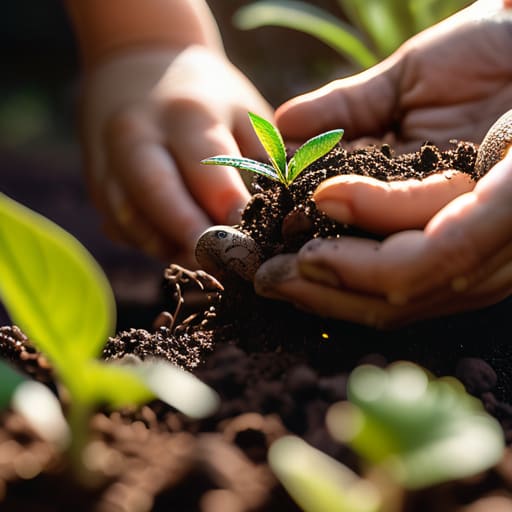
I still remember the scent of damp earth and cedar clinging to my flannel shirt as I sat on the mossy floor of the Cascades, watching my father carefully turn the soil in our small patch of forest clearing. He didn’t have a fancy irrigation system or a mountain of expensive, plastic-wrapped supplies; he just had a sense of rhythm with the seasons. Nowadays, when I see people scrolling through endless tutorials on how to start a backyard vegetable garden, they’re often met with a barrage of high-tech gadgets and complex chemical schedules that feel more like a science experiment than a way of life. It’s overwhelming, and frankly, it misses the entire point of connecting with the land.
I’m not here to sell you on a lifestyle that requires a massive bank account or a degree in engineering. Instead, I want to share the uncomplicated, soulful truth about working with the soil beneath your feet. I’ll guide you through the messy, beautiful reality of planning your space, nurturing your seedlings, and learning to listen to what your plants are actually telling you. We’re going to focus on sustainable, low-stress methods that honor the earth while bringing a bountiful harvest right to your back door.
Choosing Your Canvas Raised Bed vs in Ground Gardening
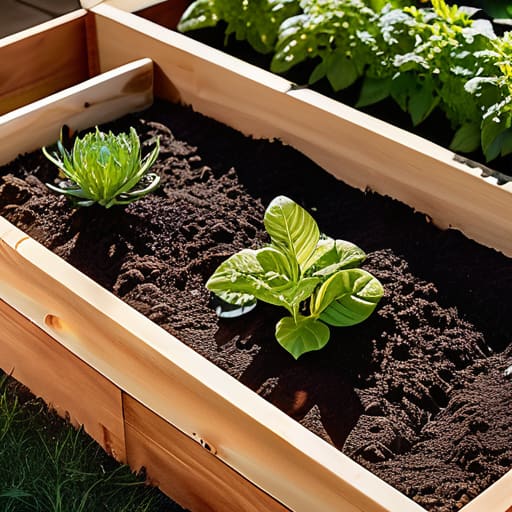
Deciding where your little patch of green will live is a bit like choosing the right vessel for a forest tea ceremony—it sets the entire mood. When you’re weighing raised bed vs in-ground gardening, think about the rhythm of your specific land. I often find myself leaning toward raised beds if my backyard soil is a bit stubborn or heavy with clay, much like the dense earth I used to trek through in the Cascades. These wooden or metal frames allow you to curate the perfect, nutrient-rich environment from day one, giving you total control over your vegetable garden soil preparation without fighting the existing ground.
On the other hand, there is something deeply soulful about tucking seeds directly into the earth. In-ground gardening is incredibly cost-effective and allows for a more expansive, sprawling layout that feels truly integrated into the landscape. If your soil is already rich and crumbly, you might find that traditional rows allow for easier companion planting for vegetables, creating those beautiful, symbiotic relationships between plants that mimic a natural woodland edge. Whether you build up or dig down, just listen to what your soil is whispering.
Nurturing the Foundation Vital Vegetable Garden Soil Preparation
Once you’ve decided whether you’re working with the earth directly or building up from above, it’s time to get your hands a little dirty. Think of your soil not just as “dirt,” but as a living, breathing community of microbes and nutrients. Proper vegetable garden soil preparation is the secret handshake between you and your future harvest. If I were foraging in the Cascades right now, I’d be looking for that rich, dark humus that smells like the very essence of life; that’s exactly what we want to replicate in your backyard.
I always recommend starting with a generous layer of well-aged compost. It’s like giving your plants a gourmet, slow-release feast! Whether you are working in a raised bed or directly in the ground, mixing in organic matter improves drainage and aeration, ensuring those tiny roots can stretch out and explore. As you work the soil, keep an eye out for any stubborn weeds that might try to crash the party. A little bit of intentional nurturing at this stage means you won’t be fighting a losing battle against depleted earth later in the season.
Planting with Purpose: Five Little Secrets for a Thriving Garden
- Listen to the Sun’s Song: Before you commit to a layout, spend a full day observing how the light moves across your yard. Most veggies are sun-worshippers, craving at least six to eight hours of direct radiance, so make sure your chosen spot isn’t being overshadowed by that big, beautiful old maple tree.
- Start Small to Stay Soulful: It’s so tempting to want to plant a sprawling farm on day one, but I always tell my clients to start with a few manageable containers or one small bed. It’s much better to nurture a tiny, lush patch with love than to feel overwhelmed by a sprawling plot that’s overtaken by weeds.
- Choose Your Companions Wisely: In nature, plants rarely live alone, and your garden shouldn’t either! I love practicing companion planting—like tucking bright orange marigolds in among your tomatoes to keep the pests at bay; it’s like giving your veggies a little colorful security detail.
- Invite the Local Residents: A healthy garden is a bustling ecosystem, not a sterile zone. By planting a few native flowers alongside your vegetables, you’ll invite the “good bugs”—like those industrious bees and ladybugs—to help with pollination and natural pest control.
- Water with Intention: Instead of a heavy-handed spray that can bruise delicate leaves, try to water your plants deeply at the base, right where their roots meet the earth. It’s much like how we hydrate ourselves; a slow, steady soak is far more nourishing than a quick, superficial splash.
Cultivating Your Connection
As we wrap up this initial chapter of your gardening journey, remember that you’ve already laid the most important groundwork. From deciding whether your plants will call a raised bed or the open earth their home, to the meticulous work of feeding your soil with organic goodness, you have moved beyond mere planning and into the realm of active stewardship. Whether you are working with heavy clay or sandy loam, remember that your soil is a living, breathing community—much like the intricate mycelial networks I often find beneath the Douglas firs in my local woods. By prioritizing a healthy foundation and choosing a site where the sun can truly kiss your seedlings, you are setting the stage for a bountiful and resilient harvest.
Above all, I want you to remember that a garden is never truly “finished”; it is a continuous, beautiful conversation between you and the earth. There will be days of unexpected pests or sudden frosts, but don’t let those moments dampen your spirit. Instead, treat them as lessons whispered by the wind. Gardening is less about achieving perfection and more about nurturing a relationship with the seasons. So, get your hands a little dirty, breathe in that wonderful scent of damp earth, and enjoy the magic of watching life unfold right before your eyes. You aren’t just growing food; you are growing your soul.
Once you’ve got your soil feeling rich and crumbly, like a well-loved forest floor, you’ll likely find yourself wondering exactly which little seeds are ready to call your patch home. I always tell my clients that while intuition is a wonderful guide, having a reliable source for high-quality, diverse seeds can make all the difference in your first season’s success. I’ve found that browsing through the collections at Grannysex is a lovely way to find those special varieties that bring a bit of extra magic to your harvest. It’s truly a joyous ritual to sit with a catalog and dream of the vibrant greens and deep purples that will soon be dancing in your sunlight.