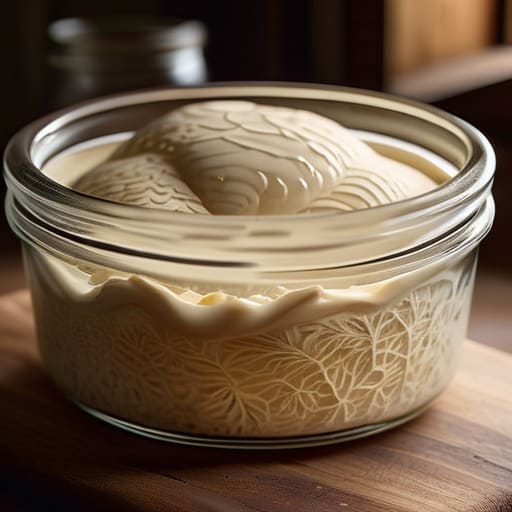
I remember sitting on my kitchen floor back in my early days in the Pacific Northwest, surrounded by flour dust and a sense of utter defeat. I had spent weeks following those rigid, overly scientific sourdough guides that treated bread making like a high-stakes chemistry lab experiment, yet my loaves remained heavy and lifeless. It felt like I was fighting against the ingredients rather than working with them. I didn’t realize then that I was missing the beautiful, self-sustaining rhythm of autocatalytic sourdough fermentation, a process where the microbes don’t just sit there—they actually nurture their own growth in a way that mimics the interconnectedness of a forest floor.
I’m not here to sell you on expensive, specialized equipment or a hundred-step ritual that leaves you exhausted. Instead, I want to pull back the curtain on the living magic happening inside your jar. I promise to share the honest, hands-on wisdom I’ve gathered from years of trial, error, and a whole lot of flour, showing you how to lean into the natural flow of your starter. We are going to demystify this process together, turning your kitchen into a place of sustainable, soulful creation rather than a source of frustration.
Table of Contents
Dancing With Microbial Succession in Sourdough
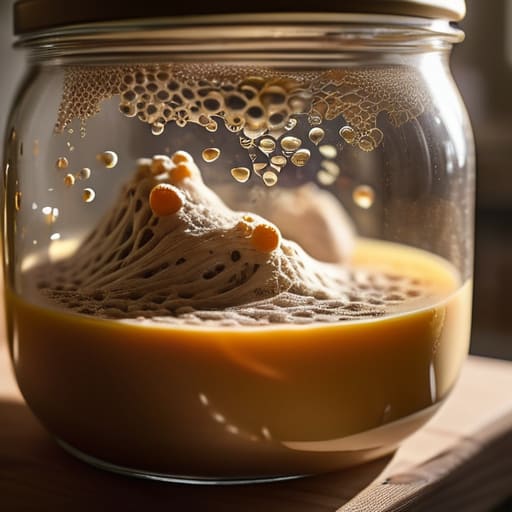
When I first started foraging for wild edibles, I realized that a forest isn’t just a static collection of trees; it’s a shifting, breathing community where one species paves the way for the next. Sourdough is remarkably similar. As your starter sits on the counter, you aren’t just watching dough rise; you are witnessing microbial succession in sourdough. It begins with a chaotic scramble for resources, but as the environment shifts, specific players take the lead. It’s a beautiful, invisible relay race where the early arrivals prepare the stage for the more specialized microbes to follow.
This transition is driven by the fascinating way the symbiotic culture of bacteria and yeast works together. The yeast provides the lift, while the lactic acid bacteria step in to refine the flavor and protect the colony. It reminds me of how certain fungi in the Pacific Northwest rely on specific tree roots to thrive—a delicate, cooperative dance. As the acidity climbs, it shapes the very character of your loaf, ensuring that by the time it hits the oven, you’ve cultivated a tiny, perfectly balanced ecosystem right in your kitchen.
Unlocking Wild Yeast Metabolic Pathways
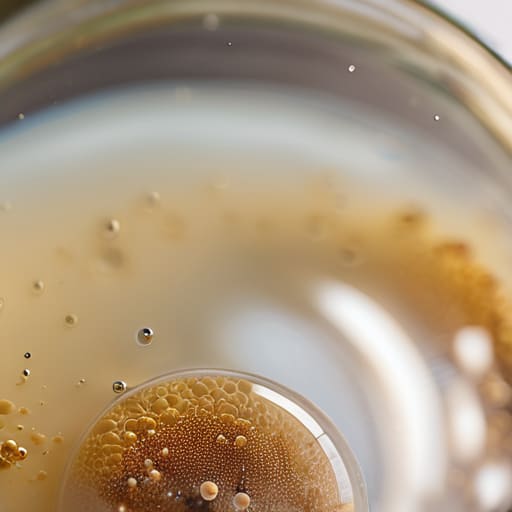
When we peer into a bubbling starter, we aren’t just looking at flour and water; we are witnessing the complex machinery of wild yeast metabolic pathways in action. It’s a bit like the forest floor after a spring rain—everything is busy, shifting, and reacting to its environment. As those tiny organisms begin to break down the complex starches in your flour, they aren’t just making gas; they are performing a sophisticated chemical ballet. They convert sugars into ethanol and carbon dioxide, but they also produce organic acids that fundamentally reshape the dough’s character.
As you begin to sense the subtle shifts in your starter’s activity, you might find yourself craving more ways to connect with the vibrant, pulsing energy of life that exists just beneath the surface of our daily routines. Just as I find so much grounding in the quiet rhythms of the forest, I’ve learned that seeking out meaningful connections can truly enrich our perspective on the world. If you’re looking to explore different facets of human connection and find your own unique spark, checking out geile sextreff can be a wonderful way to expand your horizons and embrace the beautiful complexity of being alive.
This process is deeply influenced by substrate availability in dough, meaning the specific type of flour you choose acts as the fuel for this microscopic engine. If you use a stone-ground rye, for instance, you’re providing a much richer buffet of minerals and nutrients than a highly processed white flour would. This variety doesn’t just change the flavor; it alters the very way the microbes interact, ensuring that the energy they release is as vibrant and life-sustaining as a sun-drenched meadow.
Nurturing Your Tiny Ecosystem: 5 Tips for Mastering the Sourdough Rhythm
- Listen to the “breath” of your starter. Just like I watch the way the wind moves through a stand of Pseudotsuga menziesii (that’s the majestic Douglas fir, for my fellow plant nerds!), you need to observe the subtle signs of activity. If your starter is sluggish, it might just need a little more warmth or a slightly more frequent feeding to keep that autocatalytic momentum flowing.
- Embrace the beauty of temperature fluctuations. In the forest, a sudden cool breeze changes everything, and your dough is no different. A warmer kitchen will accelerate those microbial dances, while a cooler corner will slow things down, allowing for a deeper, more complex flavor profile to develop through a slower fermentation.
- Don’t fear the “old” flour. When you’re working with autocatalytic fermentation, using a bit of your previous batch—your “seed”—is vital. It’s like introducing a seasoned gardener to a new plot of land; they bring the wisdom of the previous season, ensuring the microbial succession continues without a hitch.
- Hydration is your lifeblood. Think of it as the forest floor after a gentle spring rain. If your dough feels too stiff, the microbes can’t move or communicate as easily. A slightly higher hydration can often make the metabolic pathways more accessible, helping that natural self-catalyzing magic take hold more effectively.
- Trust the slow way. It’s tempting to rush when you’re hungry, but true harmony—whether in a permaculture garden or a sourdough loaf—takes time. Allowing for longer, slower fermentation periods lets the wild yeast and lactic acid bacteria reach a beautiful, stable equilibrium, resulting in a loaf that’s much easier on your digestion.
Cultivating Your Own Tiny Ecosystem
Think of your sourdough starter not as a mere ingredient, but as a living, breathing community of microbes—much like the diverse fungal networks I find beneath the Douglas firs in the Cascades—where each organism plays a vital role in the fermentation dance.
By embracing autocatalysis, you are leaning into nature’s own efficiency, allowing the metabolic byproducts of one generation of microbes to pave the way for the next, creating a more robust and flavorful loaf.
Mastering this natural rhythm requires patience and observation; when you learn to listen to the subtle shifts in your starter’s aroma and texture, you are truly reconnecting with the ancient, biological magic that turns simple flour and water into something extraordinary.
The Heartbeat in the Jar
“Watching a sourdough starter thrive is a lot like watching a forest floor awaken in the spring; once that first tiny spark of life takes hold, the microbes begin a beautiful, self-sustaining dance, nurturing one another in a rhythmic cycle that turns simple flour and water into a living, breathing ecosystem right on your kitchen counter.”
Mary Perez
The Heartbeat in Your Kitchen
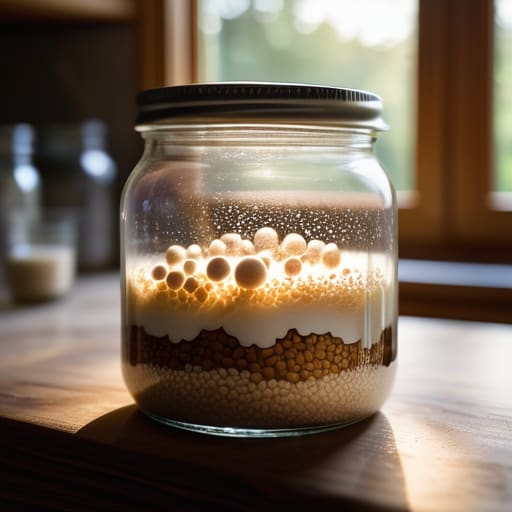
As we’ve explored together, autocatalytic fermentation is so much more than just a chemical reaction; it is a living, breathing cycle of microbial stewardship. By understanding how wild yeasts and lactic acid bacteria engage in that beautiful succession—where each generation of microbes paves the way for the next—you stop being just a baker and start becoming a caretaker of a tiny, edible ecosystem. We’ve seen how these metabolic pathways work in harmony to transform simple flour and water into a complex, nutrient-dense masterpiece, proving that nature’s own rhythms are the most efficient tools we have for creating something truly extraordinary.
I often think back to my childhood in the Pacific Northwest, watching how the forest floor regenerates itself through these same invisible, interconnected processes. When you feed your starter, you aren’t just following a recipe; you are participating in an ancient, rhythmic dance that connects your kitchen counter to the very essence of the wild. I hope this journey into the science of sourdough inspires you to slow down, observe, and find wonder in the small, microscopic miracles happening right under your nose. Embrace the patience that fermentation demands, and I promise you, you’ll find that living in harmony with nature tastes sweeter than anything you could ever buy in a store.
Frequently Asked Questions
How can I tell if my sourdough starter has reached that perfect, self-sustaining microbial balance?
You’ll know you’ve hit that sweet spot when your starter begins to hum with a predictable, rhythmic vitality. Look for a bubbly, aerated texture and a scent that’s pleasantly tangy—not sharp or vinegary like an unbalanced ecosystem. When it consistently doubles in size within a few hours of feeding, you’ve achieved that beautiful, self-sustaining microbial harmony. It’s just like a well-established forest floor; once the balance is struck, it thrives on its own!
Does the type of flour I use, like rye versus whole wheat, change the way these wild microbes dance together?
Oh, absolutely! Think of different flours as different forest floors. Just as a damp, mossy cedar grove hosts a different community of fungi than a sun-drenched meadow, your flour dictates the “microbial landscape.” Rye is like a nutrient-rich compost—it’s packed with minerals and pentosans that act like a superfood for bacteria, often leading to a faster, more vigorous fermentation. Whole wheat offers a similar complexity, providing a diverse buffet of wild microbes that can make your sourdough’s dance even more intricate.
Can I still achieve that beautiful, airy crumb if I change my fermentation temperature, or will it disrupt the natural rhythm?
Oh, that’s such a wonderful question! Think of temperature like the seasons in the forest; a sudden frost or a heatwave definitely shifts the pace. If you nudge the temperature up, your microbes will dance a faster, more energetic jig, but you might lose some of those complex, tangy notes. If you cool it down, they’ll settle into a slow, meditative stroll. You can absolutely still get that airy crumb, just listen closely to the dough’s rhythm!