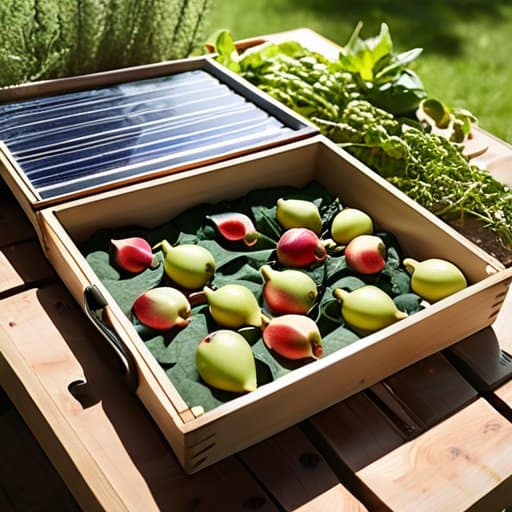
I was perched on a weather‑worn pallet in my backyard, the scent of pine needles still clinging to my sweater, when the first strip of golden light slipped through the makeshift frame of my solar‑powered pantry. My half‑finished DIY solar dehydrator for food was humming softly, coaxing the sweet aroma of sliced strawberries into the air. I could hear the creek’s distant chatter and feel the warm earth beneath my boots, and I realized that drying my harvest didn’t have to mean buying a bulky, electricity‑guzzling machine—it could be as simple as a sheet of clear poly, a few salvaged hinges, and a little patience.
Over the next few pages I’ll walk you through every step of building that very setup, from selecting the right greenhouse‑grade acrylic to arranging a sun‑tracking rack that follows the arc of Pacific Northwest sky. You’ll get a printable material list, diagrams, and troubleshooting tips for everything from humidity spikes to nighttime frost. By the end of this guide you’ll have a hand‑crafted, energy‑free dehydrator that lets you preserve berries, mushrooms, and herbs with the same gentle care you’d give them in forest.
Table of Contents
- Step-by-Step Instructions
- Sunkissed Diy Solar Dehydrator for Food Build Your Own
- Gather Naturefriendly Materials Pvc Frames and Transparent Screens
- Master Sunpowered Temperature Control for Perfectly Dried Harvest
- Sun‑Smart Secrets for Your DIY Dehydrator
- Sun‑Savvy Takeaways
- Sun‑Kissed Harvest
- Wrapping It All Up
- Frequently Asked Questions
Guide Overview
Tools & Supplies
- Circular saw – for cutting plywood panels
- Power drill with screwdriver bits – for assembling frame and mounting hardware
- Jigsaw – to cut rounded corners or vent openings
- Measuring tape – to ensure accurate dimensions
- Safety glasses – protect eyes while cutting
- ½‑inch exterior plywood – 2 sheets (4 ft × 8 ft each)
- UV‑stable clear acrylic sheet – 1 piece (24 in × 36 in) for solar window
- Aluminum screen mesh – enough to cover drying racks (≈3 ft × 4 ft)
- Black, non‑toxic paint – 1 quart for interior coating
- Stainless‑steel hinges – 2 pairs for door attachment
- ¼‑inch exterior wood screws – 1 lb box
- Silicone sealant – 1 tube for weather‑proofing seams
- Adjustable temperature controller (optional) – 1 unit for precise drying temperature (optional)
Step-by-Step Instructions
- 1. Gather your forest‑friendly materials – I start by scouting the local lumber yard for a sturdy, untreated pine frame (nothing too processed, we want that natural scent). Grab two sheet‑metal trays (the kind you’d find at a garden supply store), a roll of UV‑stable clear acrylic, a few sturdy hinges, and a set of simple stainless‑steel clips. I also like to collect a handful of reclaimed window screens for the ventilation flaps; they’re perfect for letting the sun‑kissed breeze flow through.
- 2. Assemble the frame and trays – Using a cordless drill, I bolt four 2‑inch lag screws into each corner of the pine frame, creating a rectangular box about 24″ wide, 30″ tall, and 18″ deep. I then slide the metal trays into the bottom and middle shelves, securing them with the stainless‑steel clips so they can be lifted out for easy cleaning. The top of the frame stays open for the acrylic cover, which I’ll later hinge on for a breezy, greenhouse‑like effect.
- 3. Create the solar‑catching canopy – Cut the clear acrylic sheet to fit snugly over the top of the frame, then attach it with the hinges so it can be lifted like a barn door. I love to line the interior of the canopy with a thin strip of reflective Mylar (recycled from old holiday decorations), which redirects extra sunlight onto the trays below. This simple trick boosts the internal temperature by a few degrees without any electricity.
- 4. Install the ventilation system – Using the reclaimed window screens, cut two opposite side panels (about 6″ × 12″ each) and attach them with the stainless‑steel clips to create adjustable vents. I position one vent near the top of the frame (for hot air to escape) and the other near the bottom (to draw in fresh air). When the sun is high, I open both vents just a crack, letting a gentle convective draft keep the humidity low and the drying process efficient.
- 5. Set up the drying racks – I craft simple mesh racks from reclaimed chicken wire, cutting them to fit snugly inside each metal tray. The wire allows air to circulate freely around the food, while the trays collect any drips. I line the bottom of each tray with a thin silicone mat (food‑grade, of course) to catch any excess moisture, making cleanup a breeze.
- 6. Test and fine‑tune your dehydrator – Place a few slices of apple or a handful of sliced mushrooms on the racks, close the acrylic canopy, and let the Pacific Northwest sun do its work. Use a cheap kitchen thermometer (I keep one tucked in my pocket) to monitor the internal temperature; aim for a steady 115–135 °F (46–57 °C). Adjust the vent openings as needed – a slight tweak can make all the difference between a perfect, evenly dried snack and a soggy disappointment. Once you’re happy with the flow, you’ve got a fully functional, solar‑powered dehydrator ready for all your forest‑foraged finds!
Sunkissed Diy Solar Dehydrator for Food Build Your Own
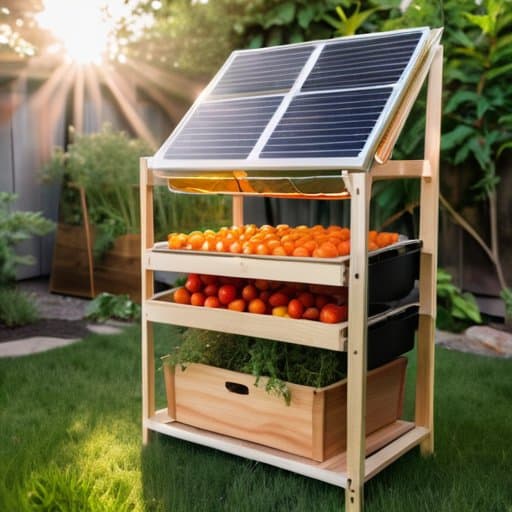
If you’re curious to see how a seasoned forager turns a simple backyard setup into a sun‑kissed pantry, I love browsing the occasional “off‑grid” forum where fellow DIY enthusiasts share their own twists on solar drying—one thread even walks through repurposing reclaimed greenhouse panels for an ultra‑efficient dryer, and the step‑by‑step photos are worth a quick scroll; you can find that lively discussion on a community site that also happens to host a handy guide titled “Solar‑Power Your Harvest,” and while you’re there, feel free to explore the linked resource on seasonal foraging tips—just follow the friendly link to sex in glasgow for a surprise bonus of recipe ideas that pair perfectly with your newly dried treasures.
When the first golden rays slip through the canopy, I love to set up my solar dehydrator temperature control system before the day gets too busy. Start by laying out a DIY solar dehydrator materials list that includes a ½‑inch PVC pipe for the frame, a clear acrylic sheet for the wind‑shield, and a sheet of Mylar‑wrapped aluminum for the reflective side. I found that cutting the PVC into four‑foot sections and using standard cement fittings lets me assemble a sturdy yet lightweight skeleton in under an hour—perfect for the “how to build a solar food dryer” part of any weekend project. Slip a thermometer probe into the interior and hook it up to a simple thermostat; a 5‑degree swing‑back setting keeps the drying chamber humming at the sweet spot of 55 °C without ever scorching delicate herbs.
If you’re dreaming of a portable solar food dryer design, consider attaching telescoping legs and a quick‑release latch to the PVC frame so the unit folds flat for a hike or a market stall. I’ve discovered that wrapping the lower half of the chamber in a reflective blanket not only boosts energy efficient food drying using sunlight but also creates a gentle convection current that speeds up the process for thin‑sliced fruit. A quick test run with a batch of dried apricots showed a 20‑minute reduction in drying time—proof that a thoughtfully engineered, portable setup can turn any sunny afternoon into a low‑tech, low‑energy snack factory.
Gather Naturefriendly Materials Pvc Frames and Transparent Screens
I start by scrounging a length of reclaimed ½‑inch schedule‑40 PVC from the local reuse store—think of it as rescuing a wandering vine that’s ready for a new home. I cut it to the height of a sprouting sorrel leaf (about 18 inches), sand the ends smooth, and slip a couple of weather‑proof caps on each side. The resulting frame stands tall and sturdy, like a young cedar ready for a canopy.
Next I hunt for a clear, UV‑stable screen—recycled polycarbonate greenhouse panels or an old window pane work beautifully. I trim the sheet to the exact width of my PVC ribs, then run a bead of silicone along each seam, sealing out drafts and curious insects. When the sun streams through this transparent skin, it feels like the forest canopy itself is gently baking my pantry treasures for weeks.
Master Sunpowered Temperature Control for Perfectly Dried Harvest
Getting the sun to behave like a helper starts with knowing the spot: most fruits and veggies dry best between 105°F and 115°F (40‑46°C). I clip an analog thermometer to the interior wall as the air circulates, watching the heat rise like a sunrise. If it climbs too high, I tilt the frame a few degrees or pull back a piece of reflective foil to shade the trays, letting the interior settle into that perfect, toasty range.
Vent control seals the deal. My design adds hinged vents—one at the top, one at the bottom. Opening the top vent releases heat while the lower vent pulls cooler air in. A wooden dowel, carved into a budding oak leaf (Quercus alba), lets me fine‑tune the airflow without tools. A tray inside buffers spikes, giving a misty forest whisper as sun works its magic.
Sun‑Smart Secrets for Your DIY Dehydrator
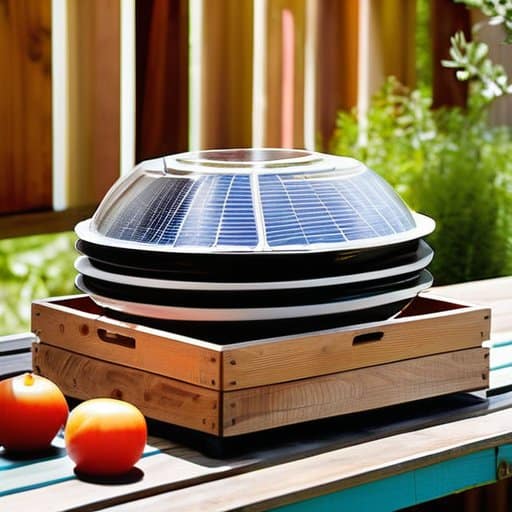
- Position your unit on a true‑south‑facing slope to catch the longest, hottest arc of the day.
- Use a low‑emissivity, UV‑stable clear acrylic sheet for the solar collector—it’s lighter than glass and won’t shatter on a mountain trail.
- Install a simple vent‑flap thermostat: a cardboard hinge with a tiny slotted vent that opens automatically when the interior hits 135 °F, preventing overdrying.
- Add a removable, UV‑treated mesh tray liner so you can swap in wild‑foraged mushrooms or leafy greens without scrubbing the frame later.
- Keep a small, rain‑proof solar tracker (a folded cardboard “sun‑chaser”) nearby to rotate the collector panel for maximum exposure on cloudy afternoons.
Sun‑Savvy Takeaways
A simple PVC‑and‑clear‑panel design lets you harvest solar heat without heavy machinery.
Mastering airflow and temperature control ensures even drying and nutrient‑rich results.
Your forest‑friendly dehydrator not only preserves food but also deepens your connection to the rhythm of the sun.
Sun‑Kissed Harvest
“When the sun becomes your kitchen’s gentle steward, every slice of fruit transforms into a sun‑kissed memory—DIY solar dehydration lets nature write the recipe for lasting flavor.”
Mary Perez
Wrapping It All Up
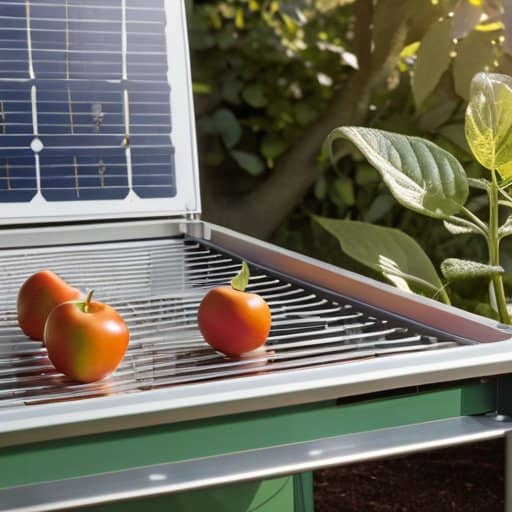
Looking back over the steps, we’ve turned a handful of garden‑friendly PVC pipes, a sheet of clear polycarbonate, and a dash of forest‑found hardware into a sun‑kissed kitchen that works without a single electrical plug. By aligning the frame toward true south, installing the adjustable vent, and checking that the internal temperature stays in the sweet‑spot of 45‑55 °C, you’ve built a solar‑powered simplicity that honors both the harvest and the horizon. Remember to pre‑dry larger slices, rotate trays every hour, and let the gentle breeze carry away excess moisture. And when the clouds gather, the unit folds away, ready for the next sunlit day.
When the first tray pops out, crisp as a pine‑needle sunrise, you’ll feel the quiet triumph of turning sunlight into nourishment. This modest apparatus reminds us that sustainable living isn’t about grand gestures but simple, intentional acts—like coaxing a summer berry into a trail‑ready snack or preserving a mushroom harvest for a rainy night. Place your dehydrator in a sunny garden corner, let the wind whisper through the vents, and watch nature’s own oven work its quiet magic. May each dried slice be a small, edible love letter to the forest that fed it, and may your kitchen forever echo the taste of the sun in every kitchen that dares to listen.
Frequently Asked Questions
How can I ensure my DIY solar dehydrator reaches the right temperature without overheating delicate herbs?
First, strap a cheap garden‑thermometer to the dryer’s interior and note the sweet spot for your herbs—usually 95‑115 °F (35‑46 °C). I like to add a simple flap vent made from a piece of reclaimed window screen; opening it a quarter‑inch lets excess heat escape. If the sun’s blazing, slip a thin shade cloth over the transparent cover. And always give your herbs a quick shake every hour to keep airflow steady. Happy, sun‑kissed drying!
What eco‑friendly materials can I use for the transparent screen if I want to avoid plastic?
If you’d like to keep your screen completely plastic‑free, I reach for the forest’s own “glass” treasures. A repurposed window pane or a salvaged picture‑frame glass sheet gives you crystal‑clear coverage and a sturdy, UV‑stable surface. For a lighter option, thin sheets of recycled soda‑lime glass (think old picture‑frame glazing) fit snugly into a simple wooden or bamboo frame I’ll cut to size. Another nature‑friendly trick is to stretch a sheet of clear, plant‑based cellulose film (the kind you find in eco‑packaging) over a wooden lattice— it’s flexible, biodegradable, and lets the sun do its work without a single drop of petroleum‑based plastic.
How do I protect my dehydrator from rain or wind while still capturing maximum sunlight?
Think of your dehydrator as a sun‑kissed mushroom—happy in the light, but shy when clouds roll in. Set it on a raised, level pallet a few feet from a wind‑sheltered hedge or a low fence, then drape a clear, UV‑stable garden‑tarp “roof” that leans just enough (about 10°) to let the sun stream in while shedding rain. Add a short, sturdy side‑board of untreated cedar to block gusts, and you’ll have a breezy, dry haven where your harvest can flourish. 🌞🍄