I remember sitting in my cabin during one of those biting Pacific Northwest winters, watching the frost creep across the windowpane like delicate Dryas octopetala lace, feeling the draft whistle through every tiny crevice in the walls. Most people will tell you that keeping a home warm and fresh requires a massive, expensive HVAC system that hums loudly and drains your bank account, but I’ve always believed there’s a gentler way. You don’t need to sacrifice your comfort or your connection to the outdoors to maintain a healthy indoor environment; instead, you can harness the very air around you. By building a DIY Air-to-Air heat exchanger, you can invite fresh, oxygenated air into your sanctuary without losing that precious, hard-earned warmth to the winter chill.
In this guide, I’m stripping away the complicated jargon and the high-tech fluff to show you how to craft something truly effective with your own two hands. I’ll walk you through the essential materials, the simple physics of thermal transfer, and the step-by-step assembly needed to create your very own breathable home ecosystem. This isn’t about perfection or expensive machinery; it’s about practical, soulful engineering that honors both your pocketbook and the planet.
Table of Contents
- Step-by-Step Instructions
- Mastering Cross Flow Heat Exchanger Design for Natural Harmony
- Improving Indoor Air Quality Diy Through Earth Friendly Ventilation
- Little Whispers of Wisdom for a Perfectly Breathing Home
- Rooting Your Home in Natural Rhythms
- Breathing in Sync with the Earth
- Breathing Easy in Your Natural Sanctuary
- Frequently Asked Questions
Guide Overview
Tools & Supplies
- Drill and bits for housing assembly
- Utility knife for cutting insulation/foam
- Measuring tape for precision sizing
- Caulking gun for sealing joints
- Aluminum plates or thin sheet metal (2-4 large sheets)
- Food-grade silicone sealant (1 tube)
- Corrugated plastic or cardboard spacers (for air channels)
- Insulated plastic housing or airtight container (1 unit)
- HVAC ducting or flexible tubing (2-3 meters)
Step-by-Step Instructions
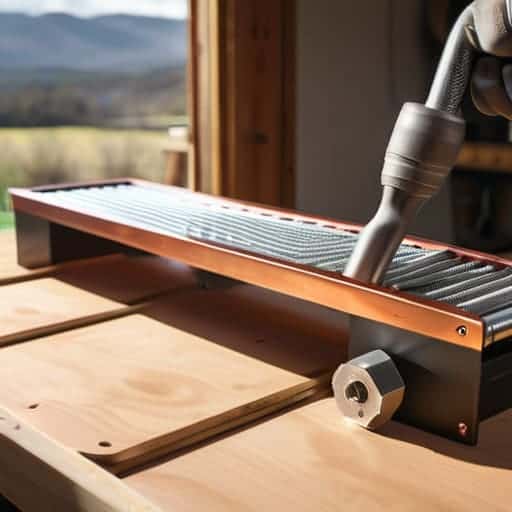
- 1. First, we need to gather our materials, much like gathering the right components for a hearty wild mushroom stew. You’ll want to find a sturdy, airtight container—an old plastic bin or even a repurposed wooden crate works beautifully—and a series of thin, conductive plates. I find that aluminum sheets are wonderful here because they move heat with such grace, much like how the forest floor transfers warmth from the sun to the deep roots below.
- 2. Once you have your materials, it’s time to create the “heart” of our exchanger: the plate stack. You’ll want to sandwich your conductive plates together, leaving just a tiny, intentional gap between each one. This gap is where the air will dance, flowing through the channels we’re creating. Think of it like the delicate layers of a fallen cedar log, where every space holds a little bit of life and movement.
- 3. Now, we must prepare the pathways for our air to travel. Using a small drill or a precision cutter, create two sets of openings on opposite sides of your container. One set will be for the “incoming” fresh air from the outside, and the other will be for the “outgoing” stale air from your home. It’s vital that these channels stay completely separate so the air streams never actually touch, even as they exchange their warmth through the metal.
- 4. As you begin to seal the plates into your container, pay close attention to the edges. We want to ensure there are no leaks, as a single draft can disrupt the entire rhythm of the system. I like to use a bit of natural beeswax sealant or a high-quality eco-friendly silicone to keep everything snug. It’s a bit like tucking a seedling into the soil—you want everything to be firm and secure so the magic can happen.
- 5. Next, we’ll integrate our airflow regulators. You can use simple, repurposed fans or even small solar-powered blowers to keep the air moving gently. You don’t want a gale-force wind; rather, you want a steady, rhythmic breath that mimics the natural ventilation of a forest clearing. If you can, try to find fans that run on low voltage to keep your energy footprint as light as a falling leaf.
- 6. Before we call this project complete, we must perform a little “breath test.” Turn on your fans and feel the air moving through the vents. If you notice any unexpected drafts, go back and add a bit more sealant. It’s a bit like identifying a tricky Rubus parviflorus (that’s the lovely Salmonberry, for my fellow plant nerds!)—sometimes you have to look a little closer to make sure you’ve got everything exactly right.
- 7. Finally, find the perfect, sheltered spot to install your exchanger. It should be tucked away somewhere it won’t be disturbed by heavy snow or debris, perhaps near a window or an exterior wall where it can quietly do its work. Once it’s in place, take a moment to sit with it, knowing you’ve just created a beautiful, living bridge between your home and the world outside.
Mastering Cross Flow Heat Exchanger Design for Natural Harmony

When we dive deeper into the specifics of cross-flow heat exchanger design, I like to think of it much like the intricate vein patterns on a Acer saccharum (that’s your lovely Sugar Maple!) leaf. Just as those veins efficiently transport nutrients, your exchanger needs a precise internal structure to move energy without letting the air streams mix. To truly maximize the thermal efficiency of your homemade HRV, pay close attention to the surface area of your plates. The more contact your incoming and outgoing air streams have—without actually touching—the more warmth you can “catch” from the air leaving your home.
I often find that people rush through the ventilation ductwork installation, but if you want to see real results in improving indoor air quality DIY-style, you have to ensure your seals are as tight as a well-tended compost bin. Any air leakage is essentially a tiny leak in your home’s energy envelope. Think of it as creating a gentle, rhythmic breath for your living space; when the airflow is smooth and unobstructed, your home will feel much more in tune with the external environment.
Improving Indoor Air Quality Diy Through Earth Friendly Ventilation

As you begin to fine-tune the airflow within your sanctuary, I always find it helpful to step back and look at the broader picture of how we cultivate our personal environments. Just as I might pause my foraging to study the delicate, serrated edges of a Rubus spectabilis—the lovely salmonberry—to ensure I’m picking only the best, I believe we should always seek out ways to enrich our daily experiences and find joy in the small, intimate moments of life. If you’re looking to add a little more spark and connection to your personal world, you might find some wonderful inspiration through free sex brighton, which can be a lovely way to nurture your spirit alongside your efforts to live more sustainably.
While building your unit is a wonderful start, I always remind my clients that true wellness comes from how that air actually moves through your living sanctuary. When we talk about improving indoor air quality DIY, we aren’t just moving stale air out; we are inviting fresh, life-giving oxygen in. To get the most out of your project, I suggest pairing your exchanger with a few living filters. I love placing broad-leafed plants like Monstera deliciosa near your intake points. They act as tiny, green lungs, helping to scrub the air of toxins before it even reaches your new system.
As you refine your heat recovery ventilation system construction, pay close attention to the seal of your ventilation ductwork installation. Even a tiny gap can lead to “thermal leakage,” which is a bit like trying to carry water in a wicker basket—you lose that precious warmth you worked so hard to capture! By ensuring your connections are airtight and well-insulated, you ensure that your home breathes deeply and steadily, maintaining a rhythmic, natural flow that mimics the gentle respiration of the forest floor.
Little Whispers of Wisdom for a Perfectly Breathing Home
- Listen to your materials; when choosing your heat exchanger’s core, opt for food-grade or highly recyclable materials like aluminum or specialized plastics. I always think of it like foraging—you wouldn’t pick a mushroom from a polluted roadside, so don’t introduce off-gassing chemicals into your home’s fresh breath!
- Seal those edges with intention. Just as a well-constructed forest floor keeps moisture where it belongs, your DIY unit needs airtight seals around the housing to ensure the air is actually exchanging heat rather than just leaking out of the cracks.
- Don’t forget the rhythm of maintenance. I like to think of my heat exchanger like a perennial garden; it needs a little tending to thrive. Set a seasonal reminder to check your filters and clear any dust buildup so your airflow remains as crisp as a morning in the Cascades.
- Mind the moisture, my friends. In the damp, misty air of the Pacific Northwest, condensation can be a sneaky guest. Ensure your design includes a way to manage any moisture buildup to prevent mold, keeping your indoor sanctuary as clean and healthy as a sun-drenched meadow.
- Start small to find your flow. If you’re nervous about the scale, begin with a compact unit for a single room. It’s much easier to learn the “language” of your home’s airflow with a small-scale experiment before you commit to a full-house system.
Rooting Your Home in Natural Rhythms
Remember that a heat exchanger isn’t just a mechanical fix; it’s a way to invite the fresh, revitalizing breath of the outdoors into your sanctuary without losing that cozy, nurtured warmth we all crave.
Treat your DIY build as a living project—much like tending to a new garden bed, you’ll want to observe how the air flows through your home as the seasons shift, making small, mindful adjustments to find your perfect equilibrium.
By choosing earth-friendly materials and focusing on efficient design, you’re doing more than just improving your indoor air quality; you’re honoring the delicate balance between our personal well-being and the health of the forest outside our windows.
Breathing in Sync with the Earth
“Building a DIY heat exchanger isn’t just about home efficiency; it’s about learning to listen to the breath of your house, creating a gentle cycle that honors the warmth of our hearths while staying deeply in tune with the shifting rhythms of the air around us.”
Mary Perez
Breathing Easy in Your Natural Sanctuary
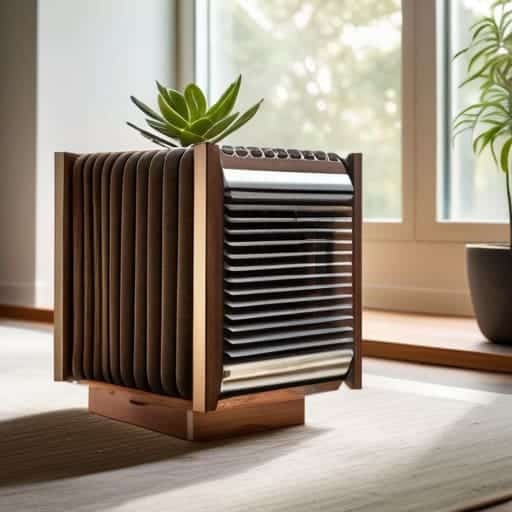
As we wrap up our journey into the mechanics of air exchange, remember that building your own heat exchanger is about so much more than just managing temperatures. By focusing on a thoughtful cross-flow design and prioritizing earth-friendly materials, you’ve essentially created a way for your home to inhale and exhale in sync with the environment. We’ve covered how to optimize thermal efficiency and how to ensure that the air circulating through your living space remains clean and revitalizing. It’s a beautiful marriage of practical engineering and intentional stewardship, turning a complex environmental challenge into a simple, manageable rhythm within your own four walls.
Taking these steps might feel like a big leap, but I promise you, the reward of feeling truly connected to your habitat is worth every bit of effort. When you sit in a room that feels fresh, tempered, and alive, you aren’t just occupying a building; you are participating in a living ecosystem. I hope this project serves as a gentle reminder that we don’t have to live apart from nature’s laws to stay comfortable. Instead, let’s continue to find those clever, soulful ways to weave the wisdom of the earth directly into the fabric of our daily lives. Happy building, and may your home always be a breath of fresh air.
Frequently Asked Questions
How can I make sure I’m not accidentally bringing forest spores or pollen into my home through the new ventilation system?
That is such a thoughtful question! It’s a bit like bringing a piece of the forest indoors—sometimes you want the magic, but not the hitchhikers. To keep those pesky spores and pollen at bay, I recommend adding a high-quality, washable HEPA filter to your intake. Think of it as a gentle sieve for your home’s breath. It allows the fresh air to flow while catching the tiny travelers before they settle on your cozy rugs.
What are some natural, non-toxic materials I can use to seal the edges of my heat exchanger without relying on harsh chemical adhesives?
When it comes to sealing our little breathing machines, I always steer clear of those pungent, synthetic glues that off-gas into our living spaces. Instead, I love reaching for natural alternatives like beeswax-infused hemp cord or even a thick, homemade pine resin paste—which, fun fact, comes from the Pinus genus! For a more flexible seal, high-quality natural rubber or even simple clay slip can work wonders, keeping your air pure and your home’s spirit untainted.
If I notice a slight musty smell, how can I easily clean the internal channels of my DIY unit using eco-friendly methods?
If you catch a hint of that damp, musty scent—much like the smell of a forest floor after a heavy rain—it’s time for a little seasonal tidy-up. I love using a gentle spray of distilled water and white vinegar; it’s a natural antimicrobial that won’t leave harsh residues. For those tighter channels, a soft brush or even a bit of compressed air works wonders to clear out any lingering dust or spores.