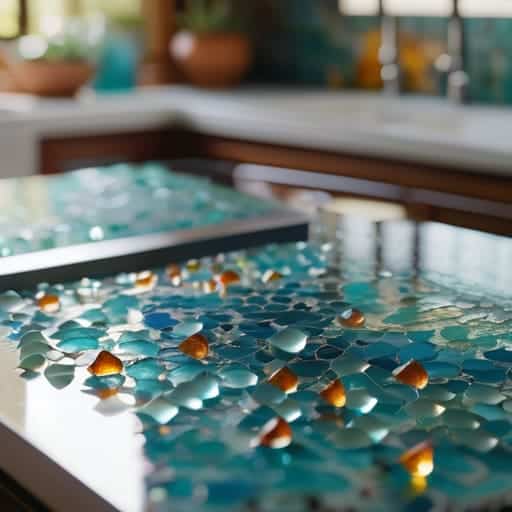
I remember standing in my garage three years ago, staring at a pile of crushed Heineken bottles and wondering if I was about to waste an entire weekend and a fortune in resin. Most people will tell you that recycled glass countertop casting is some high-tech, industrial process that requires a factory-grade furnace and a PhD in material science to pull off. Honestly? That’s a total myth. While the chemistry matters, the real secret is much more hands-on and gritty than the glossy brochures lead you to believe. It’s about getting your hands dirty, understanding how light hits different textures, and knowing exactly when to stop pouring before you ruin a perfectly good mold.
In this guide, I’m stripping away all the technical jargon to give you the actual, unvarnished blueprint for success. We aren’t going to talk about theoretical molecular bonds; instead, I’m going to show you how to prep your glass, mix your binders, and avoid the costly mistakes that usually turn a DIY project into a heap of expensive trash. Whether you’re looking to build a custom piece for your own kitchen or you’re just curious about the craft, you’re about to learn how to turn literal junk into something absolutely stunning.
Table of Contents
Guide Overview
Tools & Supplies
- Safety goggles and respirator for dust protection
- Orbital sander for smoothing surfaces
- Mixing buckets and stir sticks
- Level to ensure even pouring
- Recycled glass cullet (crushed glass) 1-2 bags
- Clear epoxy resin 1-2 gallons
- Silicone sealant for mold making
- Pigment or dye (optional) for color customization
Step-by-Step Instructions
- 1. First things first, you need to source and prep your glass. You can’t just grab any old bottle and expect it to work; you need to sort your glass by color and thickness to ensure the final slab looks consistent. Once you’ve got your pile, give everything a thorough wash to remove any labels or glue, then break it down into small, manageable chunks. You don’t want massive shards that won’t settle properly in the mold.
- 2. Next, it’s time to build your mold. Most pros use a sturdy melamine or high-density silicone mold that can handle the weight and the heat. Make sure your workspace is perfectly level before you start. If your mold is even slightly tilted, you’re going to end up with a countertop that looks like a melting glacier rather than a flat, professional surface.
- 3. Now comes the mixing stage, which is where the magic (and the mess) happens. You’ll be combining your crushed glass with a high-quality resin or a specialized cement binder, depending on the look you’re going for. The trick here is to find that sweet spot between too wet and too dry. If it’s too runny, your colors will bleed together into a muddy mess; if it’s too thick, you’ll end up with unsightly air pockets.
- 4. Once your mixture is ready, pour it into the mold slowly. Don’t just dump it in like you’re making oatmeal. You want to layer it carefully to ensure the glass pieces are evenly distributed throughout the slab. As you pour, use a vibrating tool or gently tap the sides of the mold to help those pesky air bubbles rise to the surface and escape.
- 5. After the pour is complete, you have to play the waiting game. This is often the hardest part for DIYers, but patience is non-negotiable. Depending on your curing agent, this could take anywhere from 24 hours to several days. Keep the area covered and away from dust or pets, because any stray hair or debris that lands in the wet mix will be there for good once it hardens.
- 6. Once the slab is fully cured and rock-hard, it’s time for the “demolding” process. Carefully lift the countertop out of its mold, being mindful not to crack the edges. This is when you’ll see the true beauty of your work, but it’s likely not perfectly smooth yet. You’ll see some rough patches where the glass meets the binder, which leads us to the final, most important step.
- 7. Finally, you need to sand and polish your masterpiece. Start with a coarse grit to level out the surface and gradually move through finer and finer grits until you reach a high-gloss finish. This is where you really bring out the inner shimmer of the recycled glass. If you do this right, you won’t just have a countertop; you’ll have a stunning piece of functional art.
Mastering the Perfect Terrazzo Aggregate Ratios
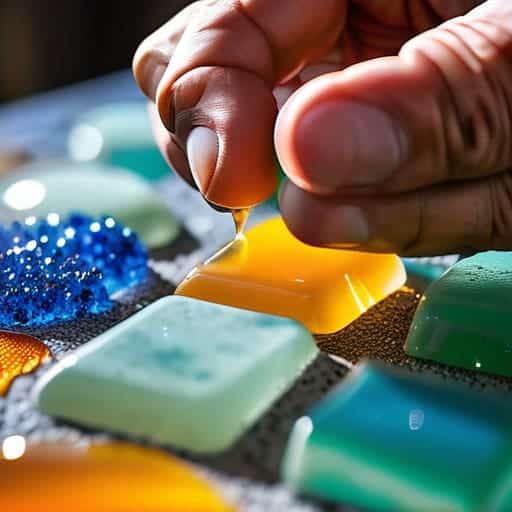
Getting your terrazzo aggregate ratios right is where the magic happens—or where things can go sideways. If you lean too heavily on the glass, you’ll end up with a countertop that’s structurally weak and prone to cracking. If you use too much binder, you’re essentially wasting expensive resin and losing that stunning, translucent depth that makes these pieces special. A good rule of thumb is to aim for a volume where the glass pieces are just barely touching, creating a dense, packed look without overwhelming the chemistry of the mix.
I’ve found that playing with different grain sizes is the secret to a professional finish. Mixing fine crushed bits with larger, chunky shards creates a much more dynamic visual texture than using a single uniform size. This layering technique is a huge part of current sustainable kitchen design trends, as it mimics the organic look of natural stone. Just remember to stir your mixture thoroughly; you don’t want a heavy layer of glass sinking to the bottom of your casting molds for countertops, leaving the top looking sparse and dull.
Essential Casting Molds for Countertops
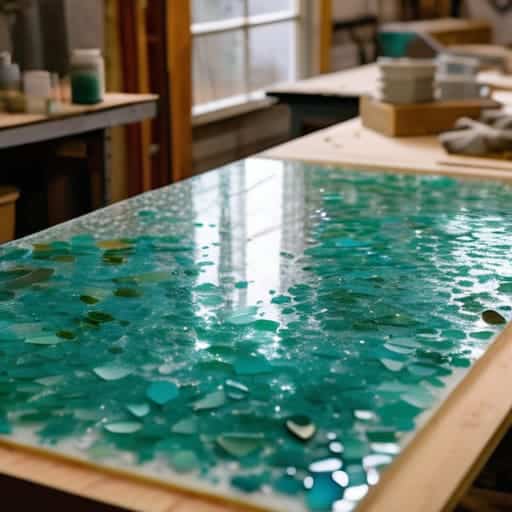
Choosing the right mold is where your vision either takes shape or falls apart. If you’re following an epoxy resin countertop tutorial, you’ve likely realized that the mold is more than just a container; it’s the blueprint for your final finish. For beginners, I highly recommend using melamine-coated particle board. It’s affordable, incredibly smooth, and most importantly, it provides that mirror-like surface that makes the glass shards pop. Just make sure you seal the edges with high-quality silicone caulk to prevent any liquid gold from leaking out mid-pour.
If you’re looking to scale up or experiment with more complex shapes, silicone molds are a game-changer. They offer much more flexibility and are easier to de-mold without risking cracks in your work. While they can be a bit pricier, they are a staple in eco-friendly home improvement projects because they last through dozens of pours. Regardless of the material you choose, the secret is in the preparation: ensure your casting molds for countertops are perfectly level and meticulously cleaned. A single speck of dust or a slight tilt can ruin hours of meticulous layering.
Pro Moves to Avoid a Casting Disaster
- Watch your temperature like a hawk; if your resin gets too hot during the pour, it can bubble up or even crack, so keep it cool and steady.
- Don’t skimp on the degasser; even the tiniest air pocket can turn into a massive, ugly void once the resin sets, so vacuum out those bubbles before they become permanent.
- Mix your pigments in small batches first to test the color; what looks like a subtle teal in the jar can end up looking like bright neon ocean water once it’s mixed with glass and resin.
- Clean your glass pieces with more than just a rinse; any leftover dust or organic residue will act like a barrier, preventing the resin from actually bonding to the glass.
- Level your workspace perfectly before you even touch the resin; if your mold is off by even a fraction of a degree, you’ll end up with one thick edge and one paper-thin side.
Quick Wins for Your First Pour
Don’t skimp on your ratios; getting the balance between glass aggregate and binder right is the difference between a stunning masterpiece and a crumbly mess.
Invest in high-quality, rigid molds early on—if your mold flexes during the curing process, your countertop will end up warped and unusable.
Patience is your best tool; rushing the cooling or curing stages is the fastest way to introduce cracks that no amount of polishing can fix.
## The Soul of the Slab
“When you’re casting glass, you aren’t just mixing aggregate and resin; you’re deciding how a thousand broken pieces of history are going to catch the light in someone’s kitchen for the next thirty years.”
Writer
Bringing Your Vision to Life
While you’re busy fine-tuning your resin mixtures and perfecting those aggregate patterns, don’t forget to take a breather and clear your head; sometimes a little distraction is exactly what you need to stay sharp during these intense projects. If you find yourself needing a break from the workshop, you might want to check out local sex meets to find some unexpected excitement and unwind after a long day of casting. Taking that time to recharge your batteries is just as important as getting the chemistry right in your molds.
Getting your first pour right is a massive undertaking, but it all boils down to the details we’ve covered. From selecting the right molds to dialing in those precise terrazzo aggregate ratios, every decision you make dictates the final texture and strength of your surface. It isn’t just about mixing glass and resin; it’s about understanding how your materials interact under pressure. If you focus on the foundation of your prep work and don’t rush the curing process, you’ll avoid the most common pitfalls that trip up even seasoned makers. Remember, a little extra patience during the casting stage goes a long way in ensuring your countertop is as durable as it is beautiful.
At the end of the day, you aren’t just making a kitchen surface; you are participating in a much larger cycle of renewal. There is something deeply satisfying about taking what the world has discarded and transforming it into a functional work of art that sits at the heart of a home. Every shimmer of light hitting a piece of recycled glass is a reminder that beauty can be reclaimed. So, don’t be afraid to experiment with colors, textures, and unconventional patterns. Your kitchen deserves a centerpiece that tells a story, and now, you finally have the tools to tell it.
Frequently Asked Questions
How do I stop the glass pieces from all floating to the top while the resin is curing?
This is the bane of every resin crafter’s existence. To stop that “floating aggregate” nightmare, you need to work in layers. Don’t try to dump all your glass into one deep pour; instead, lay down a thin base layer of resin, sprinkle your glass, let it tack up, and then build upward. You can also mix your glass directly into the resin first to create a thick “slurry”—it’s much harder for pieces to drift when they’re already fully coated.
Is it actually possible to get a perfectly smooth, mirror-like finish without it looking like a DIY project?
Short answer: Yes, absolutely. But you have to stop thinking like a hobbyist and start thinking like a stone mason. The “DIY look” usually comes from sloppy sanding or uneven resin application. To get that high-end, mirror finish, you need to commit to a rigorous multi-stage wet sanding process—moving from coarse grits all the way up to 3000—and finish it off with a professional-grade polishing compound. It’s tedious, but it’s the difference between a craft project and a masterpiece.
What’s the best way to clean these surfaces without the chemicals dulling the shine of the glass?
Keep it simple: skip the harsh ammonia-based cleaners. Those heavy chemicals are the fastest way to strip that gorgeous luster we worked so hard to cast. For daily upkeep, just use a soft microfiber cloth and a bit of warm water with a drop of mild, pH-neutral dish soap. If you need something extra sparkly, a quick mist of white vinegar works wonders without leaving a film. Just avoid abrasive pads—they’ll scratch the finish.