Did you know that nearly 40% of the world’s soil is now degraded? This shocking fact shows we must rethink how we use land and look after soil. As I explore permaculture, I find it’s not just a passing trend. It’s a critical answer to our planet’s problems. Bill Mollison brought us permaculture in the 1970s. It’s a model for living sustainably, ensuring ecological balance. In this journey, I’ll share the history, latest updates, and real examples of permaculture. This method is becoming more important for our future.
Key Takeaways
- Permaculture offers solutions for sustainable living amid environmental degradation.
- Bill Mollison’s work laid the foundation for the permaculture movement in the 1970s.
- The approach prioritizes soil health and improves land use practices.
- Innovations in permaculture are reshaping how we engage with our environment.
- Accessible education and technology are key to expanding the permaculture movement.
Understanding the Rise of Permaculture
The permaculture movement shows how we can live in harmony with nature. It’s all about making systems that don’t just take but also give back. People everywhere are drawn to its powerful ideas, wanting to fix our environmental problems.
The Legacy of Bill Mollison and Its Impact
Bill Mollison helped start permaculture, teaching us to learn from nature. He showed that by understanding how nature works, we can improve how we live. His ideas have inspired people globally to come up with creative ways to care for our planet.
Responses to Environmental Challenges
Permaculture offers new ways to tackle environmental issues like soil degradation and ensuring food for everyone. It uses smart design to build strong, sustainable farms. These methods are changing local environments, economies, and communities for the better.
Permaculture Updates: Innovations Reshaping Sustainable Living
Recent permaculture developments are making it easier to learn about and practice sustainable living. They focus on offering open-source info and education. This way, everyone can use permaculture design ideas in many places like city gardens or big farms. I find it amazing how flexible permaculture is because of these updates.
Accessible Education and Open Source Principles
Permaculture education is now more available to everyone. Open-source resources let us all share what we know. This makes learning practical and real-world ready. It means anyone can start using permaculture in their own space right away.
Practical Applications in Various Settings
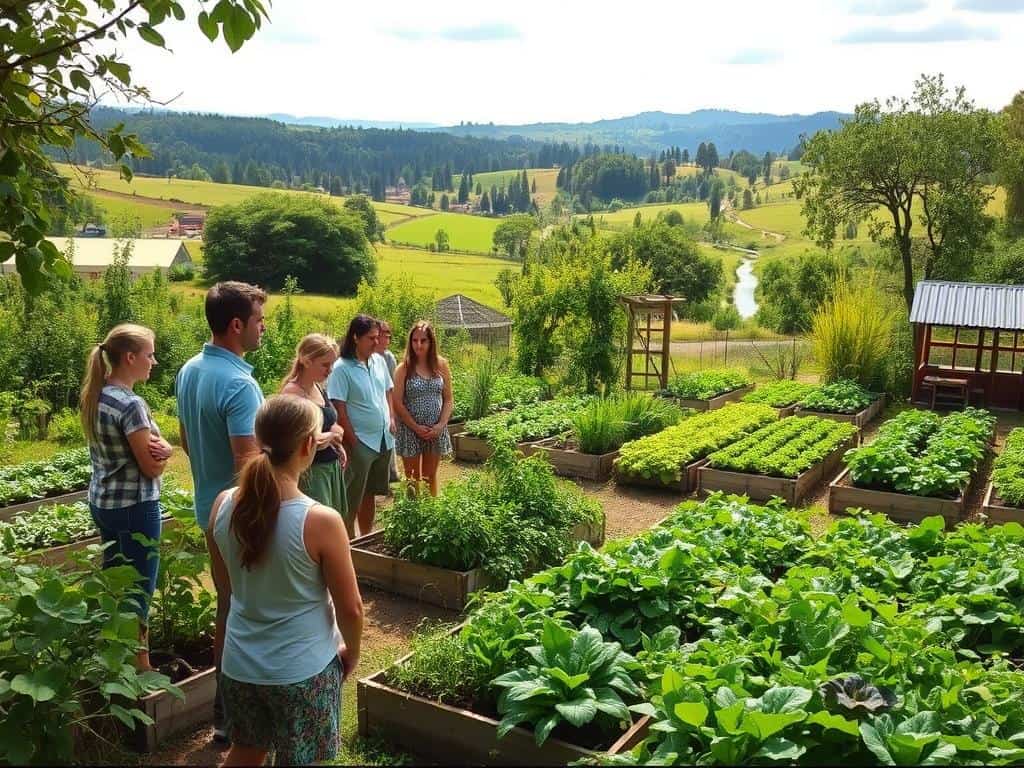
Permaculture works in many places, from small yards to big farms. Methods like hugelkultur and alley cropping adjust to your area’s needs. This shows how permaculture helps everyone be more sustainable, no matter where they are.
Common Sense Solutions Through Appropriate Technology
Permaculture uses smart, easy tech to save resources and be eco-friendly. This approach helps us use what we have wisely. It’s about smart choices for our planet and feeding more people in sustainable ways.
Conclusion
Permaculture shows us how to care for the earth and our communities together. It’s about helping the environment, treating people fairly, and building strong groups. I notice its importance is growing, because it’s flexible and teaches well. This makes it key in handling today’s big issues.
New ideas keep permaculture exciting and up-to-date. This way, it fits perfectly in our fast world. Many successful examples show us how to live in harmony with nature. This is making communities adopt green habits that help our ecosystem.
I’m optimistic about a future where everyone values our planet’s health as much as their own. Permaculture’s changes and strength remind us what we can do together. It’s a beacon of hope for making a lasting, positive mark on our world for all to follow.