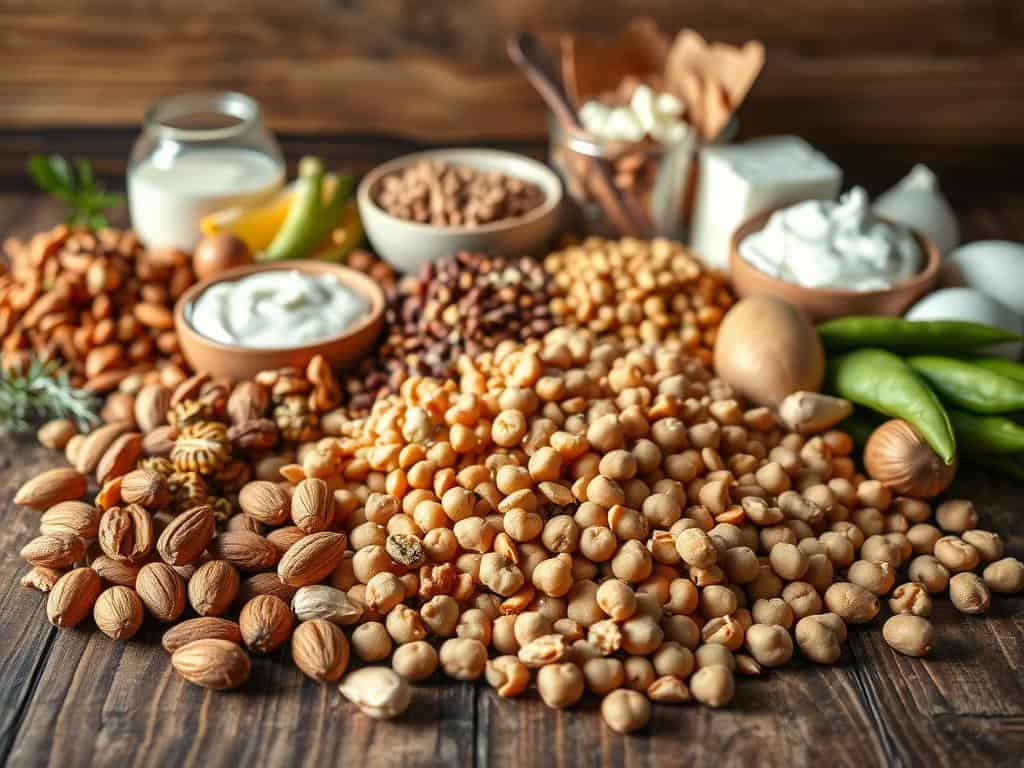
Did you know that over 70% of Americans don’t get enough protein every day? Many people don’t realize there are lots of high-protein options besides just meat. With more people choosing plant-based diets, it’s important to find other ways to get enough protein. Luckily, many plant-based foods are full of protein. They help build muscles and give you other key nutrients for good health.
Trying different meat alternatives can help keep your diet well-rounded. This is true for anyone, whether you exercise a lot or are thinking about going vegetarian or vegan. In this article, I’ll share 15 high-protein foods. You’ll see how simple and tasty it is to get your protein from plants.
Key Takeaways
- Over 70% of Americans fail to meet protein needs.
- Plant-based foods are excellent sources of protein.
- Diverse protein sources help in maintaining a balanced diet.
- Meat alternatives offer various health benefits.
- A vegetarian or vegan diet can provide all essential nutrients.
Top Plant-Based High-Protein Foods
Looking for meat alternatives? I often choose plant-based proteins. They’re full of protein and essential nutrients. Here are my top picks for high-protein foods that are both versatile and beneficial.
Cannellini Beans
Cannellini beans are a top choice with 10 grams of protein per half cup. They’re perfect in soups, salads, or as creamy spreads. Their light taste fits well in many dishes.
Hemp Seeds
Hemp seeds are rich in protein, with about 10 grams for every three tablespoons. Adding them to smoothies or salads boosts nutrition without overwhelming the flavor. Plus, they add a nice texture to meals with their healthy fats.
Edamame
Edamame is both tasty and nutritious, offering 9 grams of protein per half cup. I like to eat these young soybeans as a snack or mix them into stir-fries. They’re also great for keeping you full between meals.
Lentils
Lentils are extremely versatile, providing 9 grams of protein per half cup. They’re great in curries, salads, and bowls. This budget-friendly protein source fills you up and includes fiber and nutrients for health.
Amaranth
Amaranth, a gluten-free grain, has 9 grams of protein per cooked cup. It’s great in breakfast dishes or savory meals. Its nutty flavor works well with many ingredients.
Pumpkin Seeds
Pumpkin seeds offer about 8 grams of protein per quarter cup. They’re good raw or in trail mixes. Their crunch and nutrition enhance both sweet and savory foods.
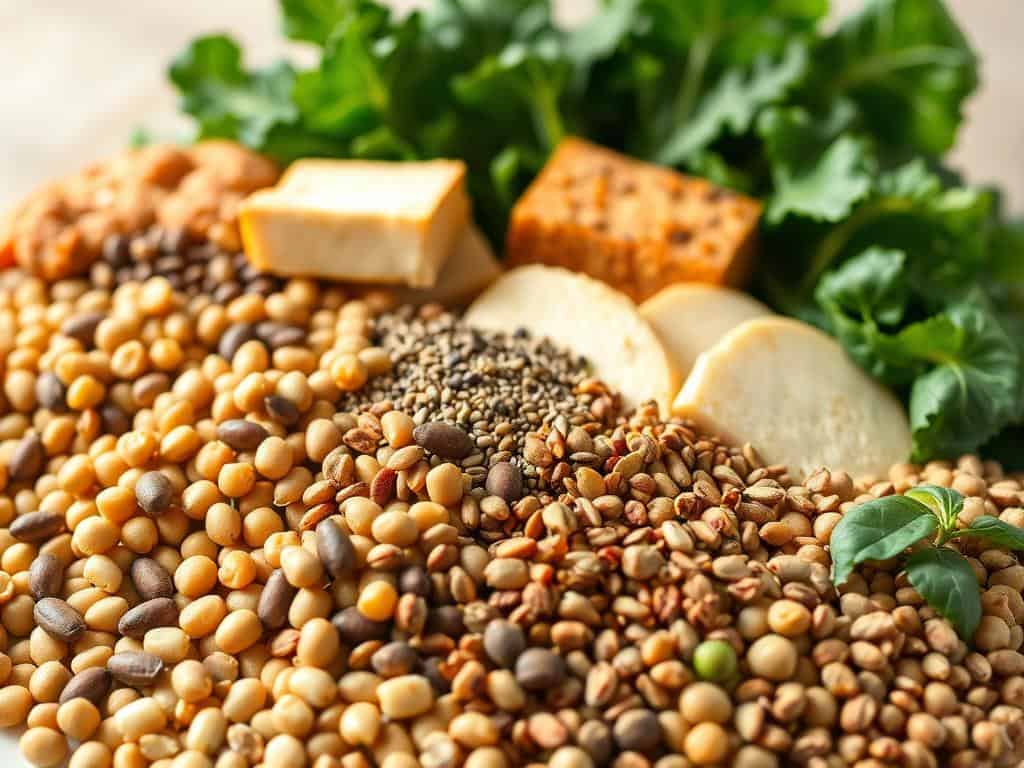
Explloring Other High-Proteinein fOODS
In adyneism, aHig-proun foes caneEs yourour diet is also more pooRISH. They ooEER’unque tasTEs ANs textsres, great r meal seacks
dss>Peanutter buttLerHAUinniChickpeas USs Garbanzo BEAns, fools ALMOST 7 GRAMS per Half Cup. They turn INTO Lots of YuMSY ishes. Their easy TO Use in HIVY disHES, making Them top in Vegin foOd.alt=”High-MoTEin FOOD INCUding PEanut buttEr, blAck beans, quinoa RE SEEEDS.”
Conclusion
This journey into non-meat protein sources has taught me a lot about healthy eating. I’ve learned that foods like lentils, chickpeas, pumpkin seeds, and hemp seeds are great for getting protein. Plus, they match my fitness and ethical goals.
Adding these proteins to my meals has been fun and creative. Trying new recipes has boosted my health and energy. It shows I can eat well and still meet my personal goals.
Finding these plant-based proteins has highlighted the importance of good nutrition and sustainable eating. I’m eager to keep exploring. Knowing I’m benefiting my health and the planet feels great.