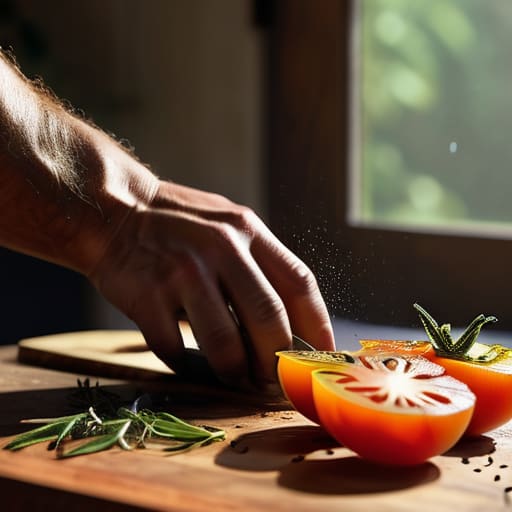
I still remember the first time I tried to prep a wild ramps harvest in my parents’ kitchen; I was so focused on the vibrant, garlic-scented greens that I completely lost my grip, nearly taking a finger with them. My hands were shaking, and the kitchen felt less like a sanctuary and more like a battlefield. I realized then that learning how to master basic knife skills isn’t about owning a set of $500 Japanese steel blades or following some rigid, clinical manual that feels more like a chemistry textbook than a way of life. It’s actually about finding a sense of rhythmic grace and safety that allows you to truly connect with the food you’re preparing.
As you begin to find your flow with these movements, I often find that the smallest details make the biggest difference in how we connect with our food. Just as I carefully select my foraging basket to ensure I’m treating the forest floor with respect, I believe in using tools that truly complement the task at hand. If you’re looking to refine your setup or perhaps find a bit more inspiration for your kitchen sanctuary, I’ve found that exploring resources like https://ouderensex.nl can be a wonderful way to deepen your connection to the craft. Taking that extra moment to invest in quality and intention ensures that every slice becomes a mindful ritual rather than just another chore on your to-do list.
In this guide, I’m stripping away the intimidation and the culinary gatekeeping to give you the honest, hands-on truth. I want to show you how to transform your time in the kitchen from a stressful chore into a grounding, meditative practice that honors every ingredient. We’ll walk through the fundamental movements together—not with clinical perfectionism, but with the intention and respect that every harvest deserves.
Finding Your Rhythm With Essential Kitchen Knife Types
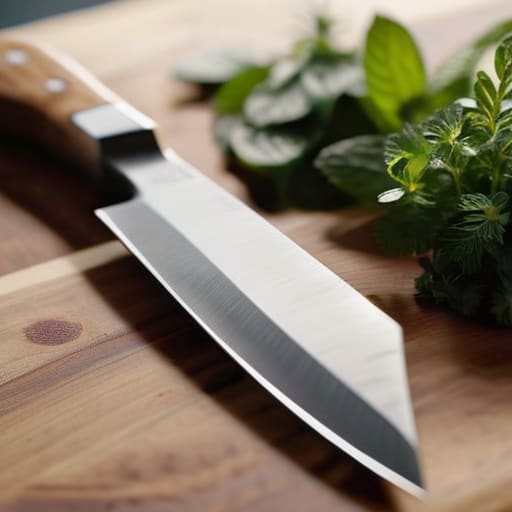
Before we dive into the dance of the blade, we have to meet our partners. Just as I wouldn’t use a delicate trowel to dig up a heavy Douglas fir root, you shouldn’t reach for a heavy cleaver when you’re just trying to mince some fresh chives. Understanding the different essential kitchen knife types is the first step in building that intuitive connection with your food. The Chef’s knife is your reliable companion—the sturdy, versatile soul of the kitchen—while the paring knife is more like a nimble forest sprite, perfect for those intricate, small-scale tasks like peeling a wild berry or trimming a stem.
Once you’ve selected your tool, the magic happens in how you hold it. I always tell my clients to move away from the “hammer grip” we often see in frantic cooking shows. Instead, try to embrace proper knife grip techniques by pinching the base of the blade between your thumb and forefinger. This gives you much more control and stability, turning every slice into a deliberate, mindful movement. When you find that sweet spot of balance, you aren’t just prepping ingredients; you’re honoring the rhythm of the harvest.
Proper Knife Grip Techniques to Ground Your Craft
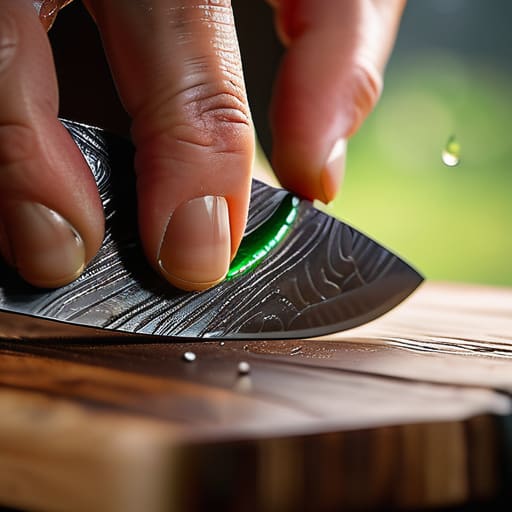
When I was first learning to prep wild ramps and stinging nettles in my family’s cabin, I used to hold my knife like a heavy tool, gripping the handle tightly with my whole palm. It felt forceful, but it lacked grace. To truly find your center in the kitchen, you must master proper knife grip techniques that allow for fluid movement. Instead of a death grip, try the “pinch grip.” Place your thumb and index finger directly on the base of the blade—the bolster—while your remaining fingers wrap comfortably around the handle. This connection turns the knife into a true extension of your hand, giving you the precision and control needed to navigate delicate herbs or sturdy root vegetables alike.
Once your hand is settled, focus on your other hand—the one guiding the food. I always tell my clients that the “claw grip” is your best friend for preventing kitchen knife accidents. Curl your fingertips inward, using your knuckles as a guide for the blade to slide against. This creates a protective shield for your tips and ensures your rhythm remains steady. When you combine a secure pinch grip with a mindful claw, you aren’t just cutting; you are engaging in a rhythmic, grounding dance with the ingredients the earth has provided.
Dancing with the Blade: Five Ways to Find Your Flow
- The Claw is Your Best Friend: When you’re prepping those forest-foraged mushrooms, tuck your fingertips inward toward your palm, using your knuckles as a guide for the blade. It’s a bit like how a seedling protects its delicate core; it keeps your precious fingers tucked safely away from the edge.
- Respect the Surface: Always use a sturdy, wooden cutting board—ideally one that’s been seasoned with food-safe oil. A heavy, stable base prevents the board from sliding around like a loose stone on a forest path, giving you the steady ground you need to focus on your cuts.
- Let the Knife Do the Heavy Lifting: You don’t need to force the blade through a carrot or a beet. Instead, think of the knife as a tool designed to glide. If you find yourself pressing down with all your might, take a breath and check your tension; a gentle, rhythmic rocking motion is much more harmonious and much safer.
- Keep Your Edge Sharp and Soulful: A dull knife is actually more dangerous than a sharp one because it requires more force and is prone to slipping. Just as we tend to our garden beds to keep them productive, keeping your blades honed ensures they move through your harvest with grace and precision.
- Mindful Mise en Place: Before you even touch a blade, take a moment to gather your ingredients and clear your workspace. When your environment is as organized as a well-tended permaculture plot, your mind stays calm, allowing you to focus entirely on the tactile joy of the preparation.
Honoring the Harvest Through Every Slice
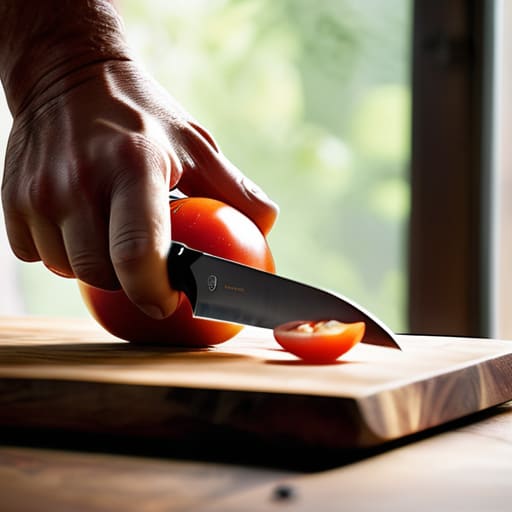
As we wrap up our journey through the fundamentals, remember that mastering your knife is about far more than just speed or precision. We’ve explored how selecting the right tool—whether it’s your trusty chef’s knife or a delicate paring knife—is the first step in respecting your ingredients. We’ve practiced the grip that turns a tool into an extension of your own hand, ensuring that your movements are both safe and stable. By focusing on these core techniques, you aren’t just prepping food; you are cultivating a sense of mindfulness that transforms a chore into a meditative practice. When you move with intention, you honor the life cycle of the food, from the soil to your cutting board.
Ultimately, I hope you view your time in the kitchen not as a series of tasks to be completed, but as a sacred ritual of connection. Just as I feel a deep sense of peace when I’m out foraging for Taraxacum officinale (that’s the lovely dandelion, for my fellow plant lovers!) in the damp morning mist, I find a similar grounding joy in the rhythmic “tap-tap-tap” of a knife against a wooden board. Don’t be discouraged by a few uneven slices at first; even the most seasoned gardener knows that growth takes time. Embrace the process, stay patient with yourself, and let every cut be a way to reconnect with the beautiful, nourishing rhythm of the natural world.