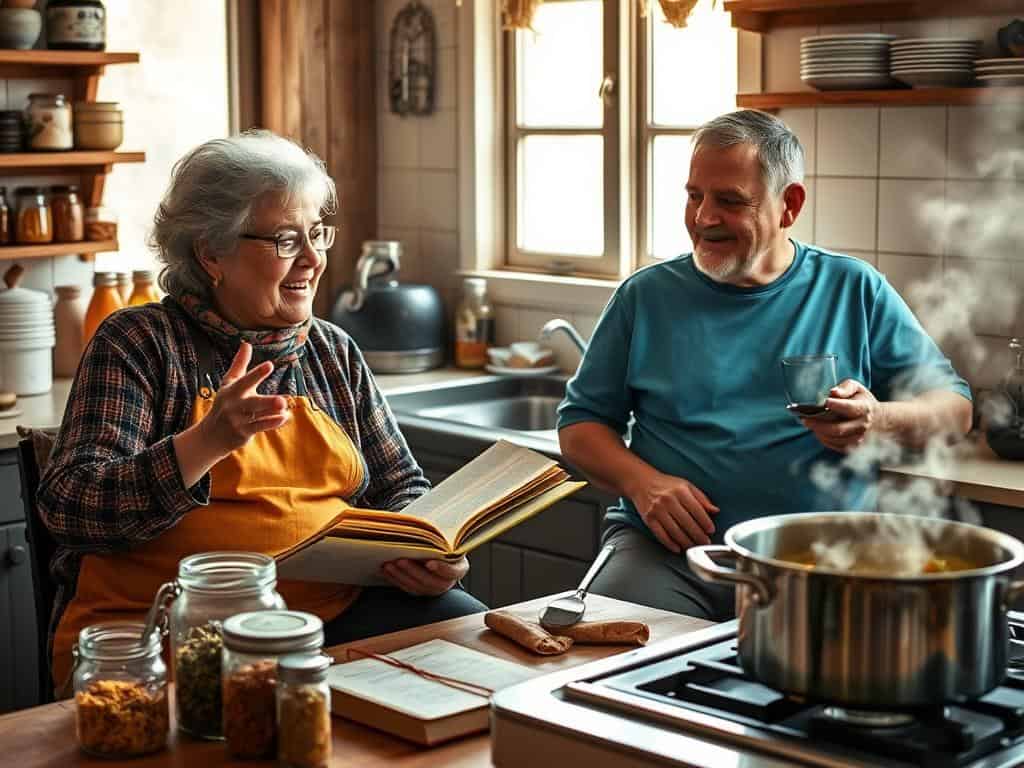
When I joined a community cooking class, I didn’t just expect to learn traditional dishes. What I discovered was far deeper and meaningful. The instructor had spent years perfecting her family’s local dishes. She made every recipe tell a story.
She talked about her grandmother making fried chicken on Sundays. The aroma filled their home, symbolizing family unity and love. Thus, each meal we prepared linked the past with the present. It connected recipes and family tales.
This experience showed me how cooking turns into vital life lessons. It builds connections that helped me understand my heritage better.
Key Takeaways
- Food is a powerful medium for sharing cultural narratives and wisdom.
- Local recipes can connect generations through shared experiences.
- Culinary storytelling reflects personal and collective identity.
- Cooking serves as a platform for life lessons that enrich our lives.
- Understanding local cuisine deepens appreciation for cultural heritage.
The Role of Food in Learning
Food is amazing for bringing people together, no matter their age. In the kitchen with family, it’s more than cooking. We dive into our family’s history and culture. Learning through cooking turns simple tasks into deep experiences. It connects us to our past. Each recipe has a story, sharing lessons from our ancestors.
Connecting Generations Through Cooking
Cooking with family creates strong food connections. In the kitchen, it’s more than meal prep. We end up sharing stories and learning from each other. As we cook, my grandmother tells tales of her youth. My mom discusses our special recipes’ meanings. This sharing of knowledge is precious. It helps us understand where we come from and keeps our traditions alive.
Lessons Beyond the Recipe
Every meal is more than its taste. Making gumbo greens with my mom taught me patience and creativity. Cooking reveals important life lessons. It teaches us to be resourceful and adaptable. The meals we make are our legacy. They show that learning through cooking is about the connections and wisdom we share.
Food Storytellers: Weaving Wisdom Through Recipes
Food shares stories and teachings in a unique way. It links our growth to communal stories. In kitchens full of traditions, we do more than just cook. We connect to deep culinary wisdom that helps us face life’s ups and downs.
Transforming Cooking into Life Guidance
Recipes hold lessons in patience, creativity, and persistence. Cooking traditional meals has taught me about overcoming life’s hurdles. These culinary adventures reflect our personal challenges, offering insights. Each ingredient and every step guides us, showing how to be resilient, whether we’re seeking comfort or adventure.
A Culinary Journey Through Personal Challenges
Community culinary programs open doors to personal development. Lisa Basini’s Recipes 4 Learning Transition Program is a perfect example. Teaching cooking to those with different abilities is more than just about food; it’s a life and job skill lesson. Such stories tie us closer to our community and show how we can grow from challenges. They remind us that our potential is boundless, not boxed in.
Learning from Local Cuisine and Heritage
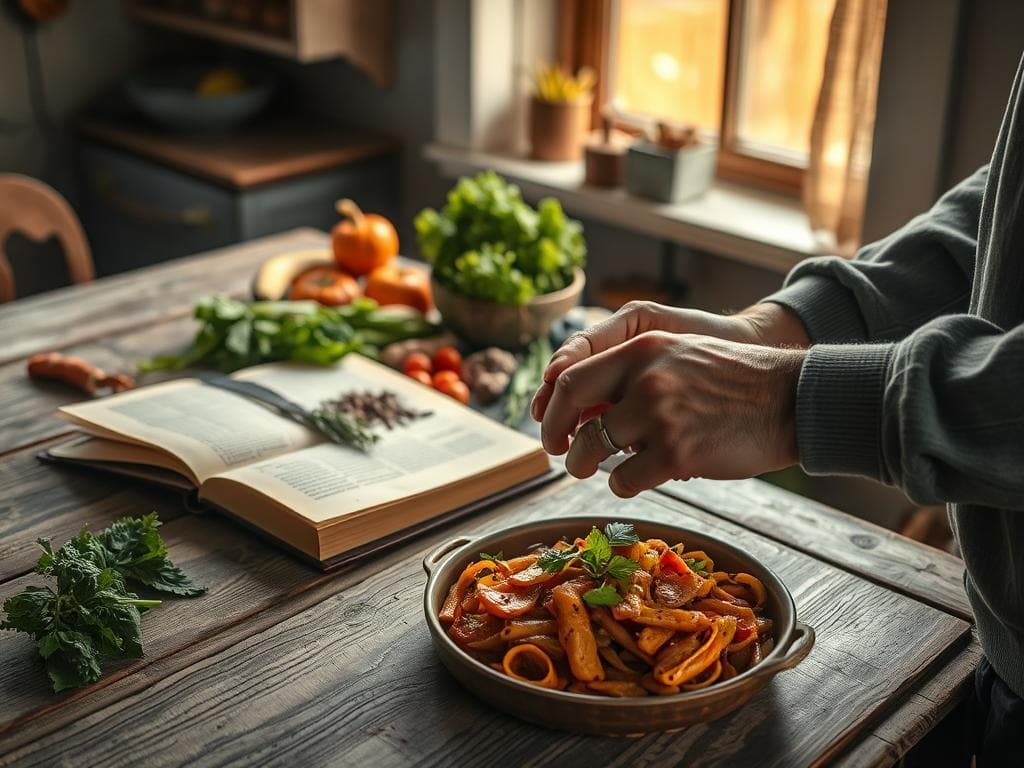
connection to heritage and cultural identity gets stronger through local cuisine. Every traditional dish I make is full of my family and community’s sories. es. shaped them.ects t they As I delve into these culinary lessons, I find links to my past and cherished values.
Embracing Local Ingredients and Traditions
Using local ingredients makes my food taste better and respects our region’s culinary past. Ingredients like fresh produce, rare spices, and meats from nearby enhance my dishes’ authenticity. This practice of cooking brings me closer to nature’s cycles and strengthens community bonds, similar to the gatherings I love.
Cooking as a Reflection of Identity
In my kitchen, each recipe is a way to celebrate my identity. Cooking lets me honor my ancestors and express my cultural roots. Every meal tells a story, allowing me and others to explore my heritage through taste and tradition.
Conclusion
Food storytelling has shown me the importance of sharing wisdom and life lessons. Every recipe I hold dear tells a story of my family’s past and my cultural roots. This shapes who I am and helps me connect with others in meaningful ways.
The role of recipes goes beyond being just a guide for cooking. They act as powerful teaching tools. These recipes carry stories of life’s ups and downs. Sharing them keeps our knowledge and legacies alive, ensuring they last forever.
Food is more than just something we eat. It serves as a powerful way to communicate and teach. Embracing culinary storytelling allows me to celebrate my heritage and welcome others into this experience. Together, we enrich our lives with every meal and story shared.