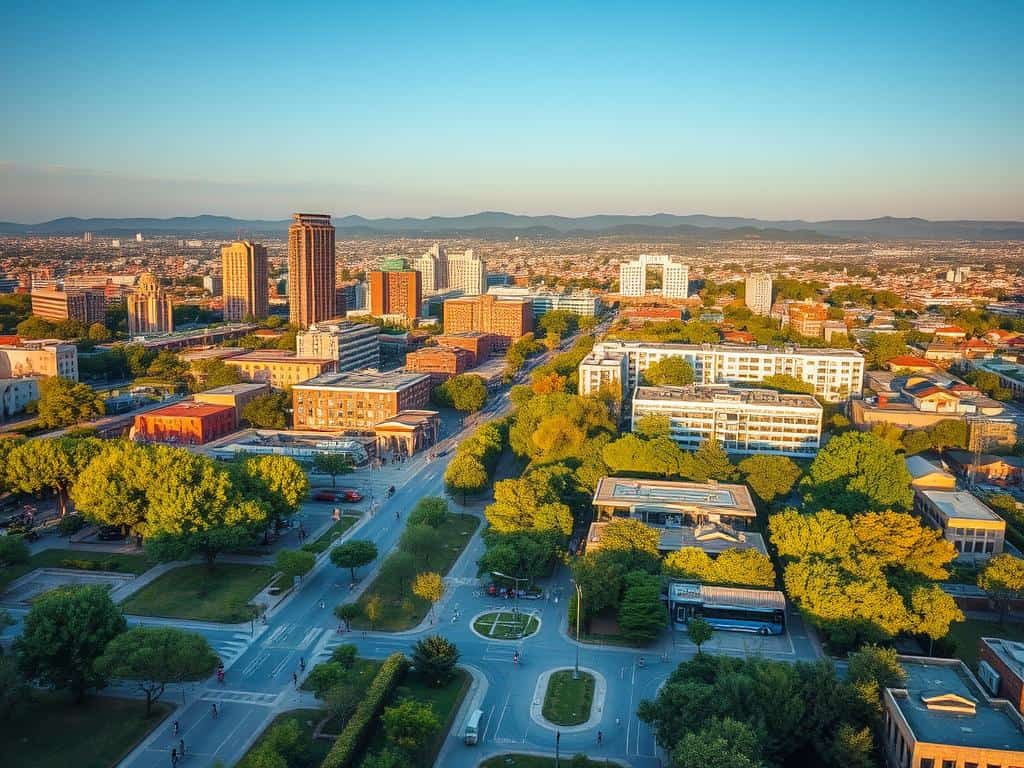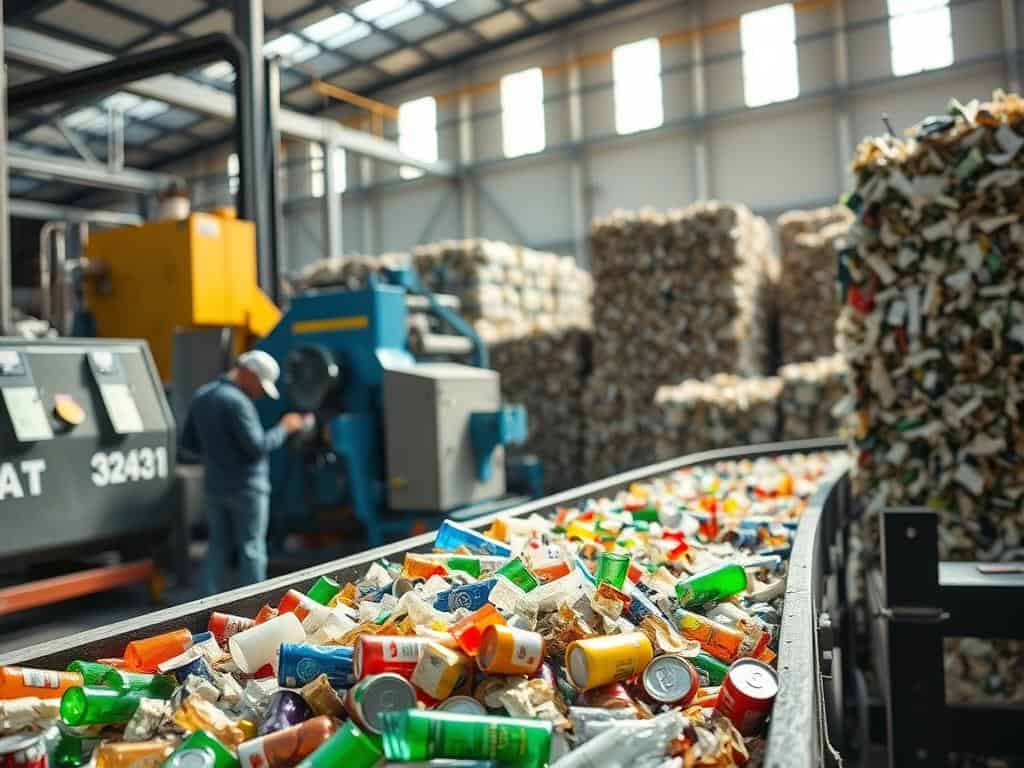
Did you know that over 9 million tons of plastic waste end up in landfills each year? This is because recycling isn’t always done right. Every time I throw recyclables in the bin, I think about what happens to them. They are first picked up and then taken to places called materials recovery facilities (MRFs).
At these facilities, items are carefully sorted. But when we put things like greasy pizza boxes or broken glass in the recycling, it messes up the process. This can cause whole batches of recyclables to be thrown away instead of being reused. It’s important to know about this so we can recycle better and help the planet.
Key Takeaways
- Improper recycling practices lead to significant waste in landfills.
- From curbside collection to MRFs, recyclables undergo a rigorous sorting process.
- Contamination can sabotage recycling efforts and diminish the value of materials.
- Understanding recycling processes can enhance consumer responsibility.
- Promoting clean recycling inputs is crucial for effective waste management.
Understanding the Recycling Process
The recycling journey starts when we gather our recyclables. They go to special facilities where the transformation begins. These places use different methods to turn our recyclables into new materials that can be used again.
The Journey of Your Recyclables
At the recycling center, every item is carefully sorted. People and machines, including sensors and optical sorters, separate the materials. This makes recycling more efficient. Proper sorting by us can greatly improve recycling, avoiding waste contamination.
Importance of Clean Recycling Inputs
Clean materials are essential for effective recycling. Without careful sorting, contamination can spoil the recyclables. Before stricter rules were applied, contamination was a huge problem. This shows how important it is for us to recycle correctly, helping both the process and our planet.
Recycling News: The Impact of National Sword Policy
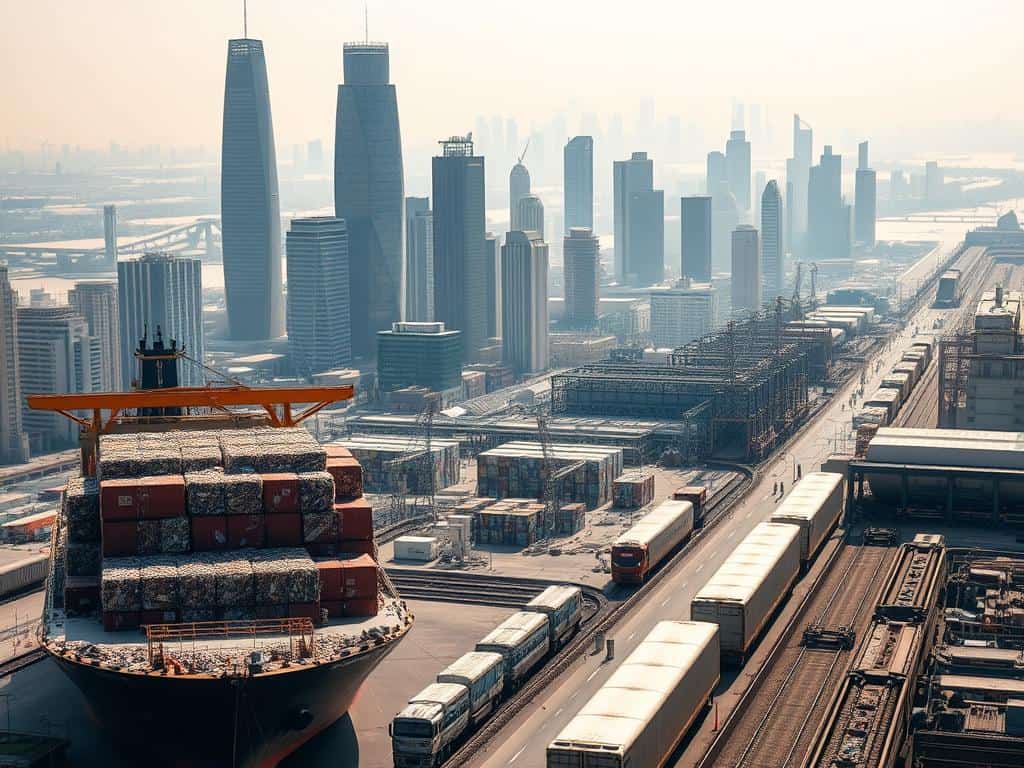
In 2018, the National Sword Policy changed the recycling world a lot. This big step by China stopped the import of dirty recyclables. It made many countries, like the USA and the UK, think hard about how they recycle.
Changes in Global Recycling Markets
The National Sword Policy made the global recycling scene very different. Countries now have to meet tough standards for clean recycling. They’re competing for markets that want clean materials. This challenge has sparked new ideas and better ways to sort and process recycling.
The Ripple Effects on the Waste Industry
The National Sword Policy also showed issues in the waste industry that were ignored before. I notice that some countries are sending their waste to places not equipped to handle it. This makes recycling harder worldwide. We need to find good local ways to manage waste and use things more wisely. Together, we must tackle these big problems with new technology and openness.
The Future of Recycling and Waste Management
The future of recycling depends a lot on new tech and people being responsible. New ways to sort and process waste are helping solve old recycling issues. These steps are important to make recycling better.
Technological Innovations in Recycling
New technology is changing how we handle recyclables. Machines guided by AI are making it easier to separate materials, reducing mistakes. Companies like Recycling Technologies are leading in turning hard-to-recycle plastics into reusable materials. This is giving us hope for recycling’s future.
Consumer Responsibility in Recycling
Consumer actions are key in this change. More people are living in ways that don’t hurt the planet. They’re choosing reusable containers and shopping without creating waste. When consumers understand their role, they help build a stronger recycling system. The goal is to blend new tech with responsible habits for a better way to manage waste.
Conclusion
Looking back at our recycling journey, it’s clear that knowing the process is key. From collection to transformation, every step matters. It’s more than just putting items in the bin. It’s about being responsible. We need strong commitment to recycling right to make a difference.
Recycling faces challenges that need us all to work together. When consumers and businesses unite, we can improve the system. This teamwork is vital for a greener future. It helps reduce waste and make the most of our resources.
Recycling helps with our waste problem, but it’s not the only answer. We must keep working hard to be responsible. Using new technologies and supporting better recycling methods can lead us to a greener world. Our choices today decide how we manage waste tomorrow. Let’s turn our trash into chances for a new start.