I remember standing in my small kitchen back in the Pacific Northwest, staring down at a wilted bunch of kale and a handful of bruised berries, feeling that heavy, sinking knot of guilt in my stomach. It’s a feeling I know all too well—that moment when you realize you’ve unintentionally let the bounty of the earth slip through your fingers. We often treat food like a disposable commodity rather than a living gift, and honestly, I think the modern obsession with “perfect” grocery hauls is part of the problem. Learning how to reduce food waste in kitchens shouldn’t feel like a chore or a high-tech science experiment; it should feel like a return to rhythm, a way of honoring the energy it took for that food to grow.
In this guide, I’m stripping away the complicated gadgets and the expensive “zero-waste” trends that nobody actually has time for. Instead, I want to share the practical, soulful rhythms I’ve cultivated through years of environmental study and, more importantly, through making mistakes in my own kitchen. I promise to walk you through simple, earthy shifts that respect your budget and your time, helping you transform your kitchen into a space where every scrap has a purpose and nothing beautiful goes to waste.
Meal Planning to Prevent Waste and Respect Natures Bounty

Sometimes, when I’m feeling a bit overwhelmed by the sheer amount of information out there—whether I’m trying to master a new fermentation technique or just looking for a sense of community to share my daily triumphs and struggles—I find that connecting with others is the best way to stay grounded. Just as we seek out local foraging groups to share our finds, finding a space to engage with people can offer a wonderful sense of human connection and fresh perspectives. If you ever find yourself craving that kind of spontaneous social energy, exploring something as lively as miami chat rooms can be a fun way to broaden your horizons and find unexpected sparks of inspiration beyond your own backyard.
I’ve always found that a little bit of intention goes a long way in honoring the life force within our food. Before I even set foot in the market, I like to sit with my kitchen journal and look at what’s already tucked away in my pantry. This practice of meal planning to prevent waste isn’t about rigid, clinical schedules that feel like a chore; rather, it’s about creating a rhythmic flow that respects the seasonal availability of our ingredients. When we shop with a clear vision, we avoid that impulsive habit of buying extra bundles of kale or carrots that eventually end up wilting in the crisper drawer.
I also find so much peace in learning the nuances of understanding expiration dates vs best by dates. It’s a common misconception that a “best by” label means something is unsafe to eat, but often, it’s just a manufacturer’s suggestion for peak quality. By trusting our senses—our smell, our sight, and our intuition—we can avoid throwing away perfectly nutritious morsels. This mindful approach to sustainable kitchen management allows us to treat our ingredients with the reverence they deserve, ensuring we are stewards of the earth’s abundance rather than mere consumers.
Food Storage Optimization Tips for a Living Pantry
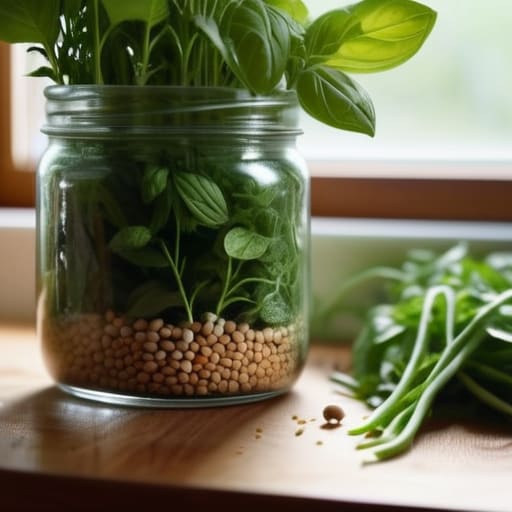
Once I learned the rhythmic dance of the seasons growing up in the PNW, I realized that our pantries shouldn’t just be cupboards; they should be living, breathing ecosystems. To truly master sustainable kitchen management, we have to treat our ingredients like the precious gifts they are. I’ve found that much of our waste stems simply from a lack of communication between us and our food. For instance, I always keep a little glass jar of water in the fridge for my wilted herbs—it’s like giving them a tiny drink to keep them dancing. When it comes to more complex items, practicing some basic food storage optimization tips, like keeping ethylene-producing apples away from your leafy greens, can extend the life of your harvest by days, if not weeks.
Another hurdle I often see is the unnecessary panic caused by labels. I’ve spent many afternoons in my garden teaching students about understanding expiration dates vs best by dates, and it’s a total game-changer for reducing waste. A “best by” date is often just a suggestion of peak quality, not a signal to toss something in the bin! By trusting our senses—our smell, sight, and touch—we can honor the food we’ve gathered rather than letting it vanish into a landfill.
Embracing the Full Cycle: Soulful Ways to Honor Every Scrap
- Get to know your “scraps” as ingredients in disguise. Before you toss those onion skins, carrot tops, or herb stems into the bin, remember they hold so much concentrated flavor. I love keeping a dedicated “stock bag” in my freezer; once it’s full of veggie trimmings, I simmer them into a golden, nourishing broth that tastes like pure forest magic.
- Practice the art of “Root-to-Stem” cooking. In my Permaculture studies, we learn that every part of a plant has a purpose. Instead of discarding broccoli stalks, try slicing them thinly for a crunchy slaw, or use beet greens in a sauté. It’s a beautiful way to mimic the efficiency of a forest floor, where nothing is ever truly lost.
- Create a “Living Harvest” corner in your fridge. Designate a specific shelf or a clear glass container for those items that are nearing their peak. I call it my “eat me first” nook. It’s a gentle visual nudge to use that slightly soft bell pepper or the last bit of spinach before they transition from nourishment to waste.
- Transform wilted greens into nutrient-dense infusions. If your kale or chard is looking a little tired and less than vibrant, don’t despair! Blend them into a quick pesto with some sunflower seeds, or toss them into a morning smoothie. They may have lost their crispness, but their cellular vitality—and their wonderful minerals—are still very much present.
- Close the loop with mindful composting. When a scrap truly reaches the end of its edible journey, return it to the earth. Whether you have a backyard bin or a small worm farm under your sink, composting turns “waste” into dark, crumbly gold. It’s the ultimate way to honor the cycle of life, turning yesterday’s leftovers into tomorrow’s garden soil.
Nurturing a Cycle of Abundance
As we wrap up our journey through the kitchen, I hope you see that reducing waste isn’t about restriction or following rigid rules; it’s about shifting our perspective to see the inherent value in every morsel. By embracing intentional meal planning, mastering the art of the living pantry, and learning to store our harvests with care, we move away from a culture of disposal and toward a rhythm of respect. Whether it’s turning those slightly wilted greens into a nourishing broth or simply being more mindful of what we bring home from the market, every small adjustment helps us honor the energy it took for the sun, soil, and rain to create that food in the first place.
Ultimately, the way we treat our food is a reflection of how we relate to the Earth itself. When we minimize waste, we aren’t just tidying up our cupboards; we are participating in a beautiful, ancient dance of stewardship that heals our relationship with the planet. I invite you to step into your kitchen today not as a consumer, but as a caretaker of nature’s gifts. Let every meal be a celebration of abundance and every scrap be a testament to your commitment to a more sustainable, soulful way of living. Together, we can turn our homes into small sanctuaries of harmony and healing.