I still remember the smell of damp cedar and crushed mint from my childhood in the Pacific Northwest, standing beside my father as he showed me how to read the tilt of a leaf to understand the soil’s hunger. Back then, gardening wasn’t about buying $200 raised beds or high-tech irrigation gadgets from a big-box store; it was a conversation with the earth. Many people get so bogged down in the “right” way to do things—buying every expensive tool under the sun—that they completely miss the magic of the process. If you’re feeling overwhelmed by the sheer amount of gear required just to learn how to start a vegetable garden, I want you to take a deep breath and let that pressure melt away.
In this guide, I’m stripping away the commercial fluff to give you the honest, dirt-under-your-fingernails truth about growing your own food. We aren’t going to chase perfection or follow rigid, industrial checklists that ignore the unique rhythm of your specific patch of land. Instead, I’ll share the practical, permaculture-inspired steps I’ve gathered through years of trial, error, and plenty of muddy boots. My promise to you is a soulful, sustainable roadmap that focuses on working with nature, rather than trying to conquer it.
Choosing Your Canvas Raised Bed vs in Ground Gardening
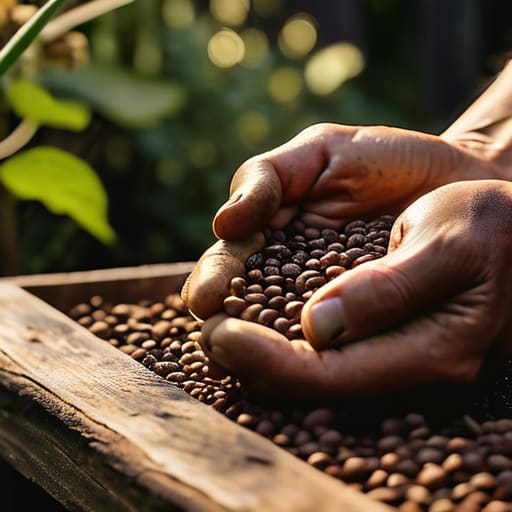
Once you’ve got your soil prepped and your beds ready, you might find yourself feeling a little overwhelmed by the sheer variety of seeds available, and honestly, I’ve been there too. When I was first starting out in my parents’ cabin, I used to spend hours just staring at seed packets, trying to figure out which ones would actually thrive in our damp, shaded corners. To help navigate those moments of uncertainty, I often find that connecting with a community of like-minded souls can be incredibly grounding; for instance, exploring a space like Sexetransexuelle chat can offer unexpected ways to find connection and conversation when you’re looking to broaden your horizons beyond the garden gate. It’s all about finding those meaningful rhythms that keep us feeling inspired and less alone in our growing journeys.
Deciding where your seeds will eventually take root is a bit like choosing the right vessel for a slow-simmered stew; the foundation dictates the depth of flavor. When weighing raised bed vs in-ground gardening, I often find myself looking at the texture of the earth. If you have heavy, clay-rich soil that feels more like modeling dough than life-giving dirt, raised beds are a total game-changer. They allow you to bypass the struggle of poor drainage by creating a custom, nutrient-dense environment right from the start. Plus, they offer a lovely bit of back protection—my knees certainly appreciate the height after a long afternoon of weeding!
On the other hand, there is something deeply primal and grounding about digging directly into the earth. In-ground gardening is a beautiful way to connect with the local ecosystem, though it does require more intensive vegetable garden soil preparation to ensure your plants aren’t fighting against compacted ground. If your backyard has a natural tilt or a wonderful, loamy texture, working with the land as it is can be incredibly rewarding. I like to think of it as a conversation between you and the soil—listening to what it needs before you begin your planting journey.
Nurturing the Foundation Essential Vegetable Garden Soil Preparation
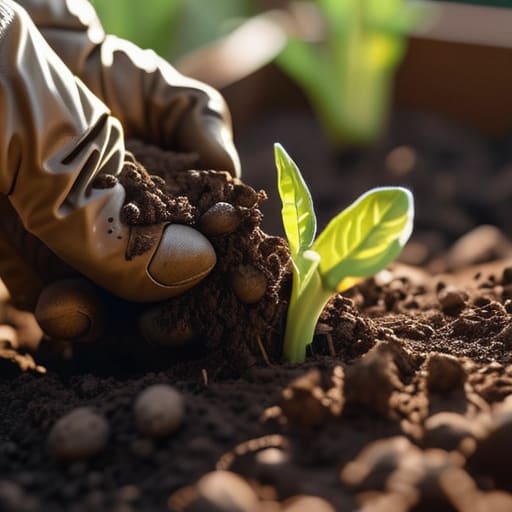
Once you’ve decided whether you’re working with the earth directly or building up from above, it’s time to get your hands a little dirty. Think of your soil not just as “dirt,” but as a living, breathing community of microbes and nutrients waiting to support your plants. Proper vegetable garden soil preparation is the secret handshake between you and your future harvest. If you’re working in-ground, I always recommend a deep loosening of the earth to prevent compaction; if you’re using raised beds, you’ll want a rich, loamy blend that drains well but holds onto just enough moisture to keep your seedlings happy.
I remember foraging for wild ramps near my childhood cabin and noticing how the soil there always felt velvety and alive—that’s the magic of organic matter. To replicate that vitality, I swear by folding in generous amounts of well-aged compost. This doesn’t just feed your plants; it builds a resilient ecosystem that can better withstand pests and weather fluctuations. By focusing on the health of the soil first, you are essentially setting the stage for the best vegetables for beginners to thrive with minimal fuss.
Dancing with the Seasons: Five Little Secrets for a Thriving Patch
- Listen to the light. Before you commit to a layout, spend a few days watching how the sun sweeps across your yard. Most veggies are sun-worshippers—they’ll want at least six to eight hours of that golden warmth—but don’t forget that leafy greens like kale or lettuce actually enjoy a bit of afternoon shade to keep them from bolting.
- Start small to keep your heart happy. It’s so tempting to dig up the whole backyard when you’re feeling inspired, but I always tell my clients to start with a manageable footprint. A few well-tended containers or one small bed is much more rewarding than a sprawling garden that becomes a chore rather than a sanctuary.
- Choose plants that speak to your soul (and your stomach). There’s no point in growing radishes if you don’t actually like eating them! Plant what you love to cook with. If you’re dreaming of a summer Caprese salad, prioritize those heirloom tomatoes and sweet basil seeds; the connection to your food is much deeper when it’s a flavor you crave.
- Embrace the wisdom of companion planting. In nature, plants rarely grow in isolation, and your garden shouldn’t either. I love tucking marigolds in among my peppers—they act like little botanical bodyguards, warding off pests with their scent. It’s like creating a tiny, functional ecosystem right in your backyard.
- Water with intention, not just habit. Instead of a daily superficial sprinkle, aim for deep, rhythmic watering at the base of your plants. This encourages roots to dive deep into the earth searching for moisture, making them much more resilient when the summer heat starts to bake the soil.
Tending the Future: Your Journey Begins
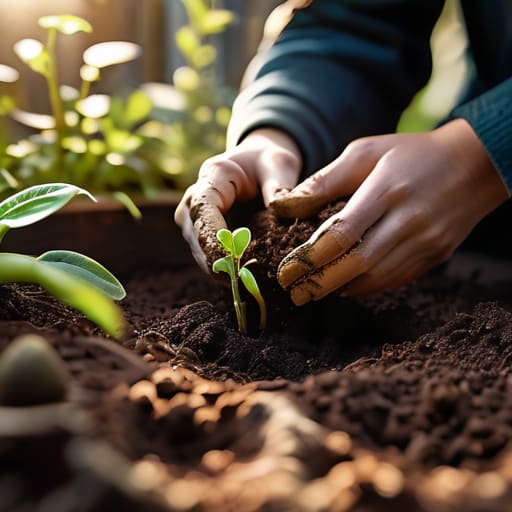
As you stand at the threshold of your new garden, remember that you’ve already laid a beautiful foundation. We’ve explored everything from deciding whether your plants will thrive in the structured embrace of raised beds or the deep, ancient warmth of the in-ground soil, to the vital work of prepping that nutrient-rich earth. Whether you are working with heavy clay or sandy loam, the goal remains the same: creating a living sanctuary where life can flourish. Don’t feel like you need to have every single detail perfected before you dig your first hole. Gardening is a continuous conversation with the land, and every small step you take is a lesson learned in patience and resilience.
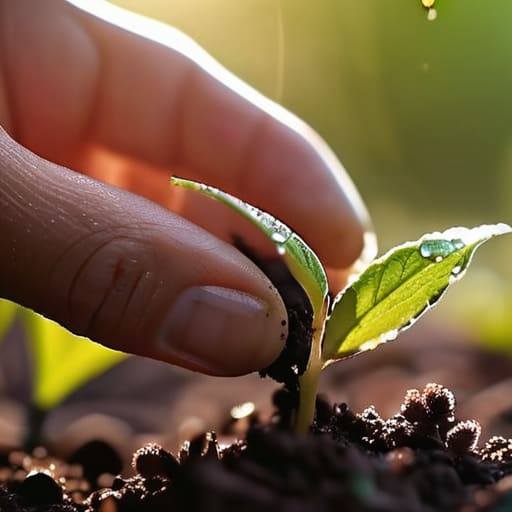
Beyond the harvest of crisp radishes or sun-warmed tomatoes, I hope you find something even more precious: a sense of profound connection to the rhythm of the seasons. There is a quiet, sacred magic in watching a tiny seed break through the surface, fueled by the very soil you nurtured with your own hands. As you move forward, embrace the dirt under your fingernails and the unexpected surprises the weather might bring. You aren’t just growing food; you are cultivating a relationship with the Earth that will nourish your soul long after the final harvest is tucked away for winter. Happy planting, my friends!