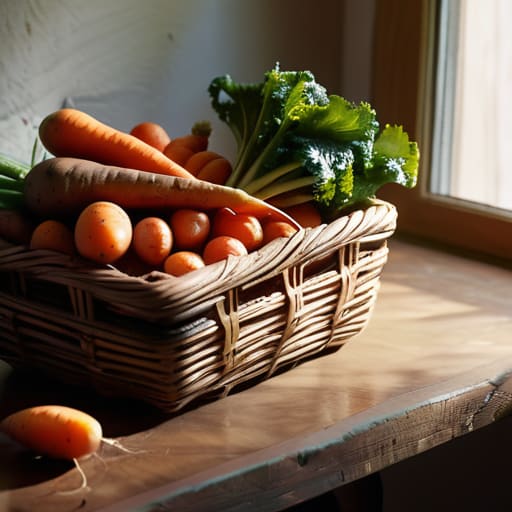
The last time I stood in the produce aisle, clutching a bunch of organic kale that cost nearly as much as a decent bottle of wine, I felt a familiar, heavy ache in my chest. It wasn’t just the sting of the price tag; it was the realization of how much the rhythm of our lives is being disrupted by these shifting economic tides. We often talk about macroeconomics in abstract terms, but for those of us trying to live intentionally, the reality is much more tactile. You see it when the heirloom tomatoes look smaller but cost more, or when the simple, wholesome staples that anchor our pantry suddenly feel like unaffordable luxuries. It’s a quiet, creeping frustration, watching exactly how inflation shows up in a weekly shop and erodes our ability to nourish ourselves with the quality we deserve.
I’m not here to offer you empty platitudes or complicated financial spreadsheets that feel disconnected from the soil. Instead, I want to share the practical, grounded strategies I’ve been using to navigate these rising costs without sacrificing my connection to the earth. We’re going to look at how we can pivot our habits—from embracing seasonal foraging to rethinking our pantry foundations—so you can keep your kitchen a place of abundance and peace, even when the grocery receipts say otherwise.
Decoding Food Price Inflation Explained Through Natures Cycles

When I sit on my porch watching the seasons shift, I’m reminded that nature operates on cycles of abundance and scarcity. However, the way we experience these shifts in the grocery store feels far more jarring than the predictable slumber of winter. To understand food price inflation explained through a natural lens, think of it as a sudden, unexpected frost hitting a garden mid-bloom. Just as a late freeze can devastate a crop of heirloom tomatoes, global disruptions act like an environmental shock, tightening the flow of goods before they ever reach our local markets.
Lately, I’ve noticed a subtle, almost deceptive change in the pantry staples I rely on—a phenomenon often called shrinkflation in consumer goods. It’s like finding a berry bush that looks lush from a distance, only to realize the berries themselves have grown smaller and more sparse. We aren’t just paying more for the same volume; we are often paying more for less. This creates a strange dissonance between our intentions to eat seasonally and the reality of our shrinking wallets, forcing us to rethink how we steward our resources.
The Hidden Shrinkflation in Consumer Goods and Shrinking Abundance
It’s a strange, unsettling feeling, isn’t it? You reach for that familiar jar of organic honey or a bag of heirloom grains, only to find the container feels lighter in your palm than it did just a few months ago. This is the quiet reality of shrinkflation in consumer goods, a subtle way that the value of our hard-earned money seems to evaporate right before our eyes. It’s much like noticing a perennial plant that looks lush from a distance, but upon closer inspection, realizes its root system is struggling and its blooms are smaller than last season.
As I scan the shelves, I see more than just higher numbers on the tags; I see a literal diminishing of substance. Whether it’s a box of oats that has lost an ounce of volume or a carton of eggs with slightly smaller shells, these tiny subtractions add up to a significant consumer purchasing power decrease. It feels as though the abundance we once took for granted is being rationed by forces far beyond our garden fences, making the simple act of filling our pantry feel more like a strategic negotiation than a joyful harvest.
Cultivating Resilience: 5 Ways to Nurture Your Pantry Amidst the Economic Thaw
- Embrace the seasonal rhythm by leaning into what’s currently flourishing in your local ecosystem; when the price of imported, out-of-season produce climbs, look to the local harvest—it’s often more affordable and far more vibrant.
- Reconnect with the ancient wisdom of the “scrappy kitchen” by prioritizing whole foods over pre-packaged convenience; a bag of dried lentils or a sack of heirloom grains offers much more nutritional density and longevity for your coin than those expensive, shrinkflated ready-meals.
- Practice the art of “foraged abundance” by learning to identify common edible greens in your own backyard or local trails—it’s a wonderful way to supplement your grocery basket with nutrient-dense gifts like Taraxacum officinale (dandelion) without spending a dime.
- Shop with a mindful, seasonal intention by focusing on bulk staples and minimizing the “impulse weeds” in your cart; just as a well-managed permaculture garden thrives on intentional planting, a focused shopping list prevents the budget-drain of unnecessary processed goods.
- Join a community ecosystem by seeking out local food cooperatives or farmers’ markets; while prices fluctuate, building direct relationships with growers can often reveal more honest pricing and better ways to access the earth’s bounty without the heavy markup of big-box retail.
Finding Our Way Back to the Roots
As we navigate these grocery aisles, it’s easy to feel overwhelmed by the way inflation and shrinkflation seem to be quietly eroding our sense of abundance. We’ve seen how the natural rhythms of our food systems are clashing with economic pressures, and how even the most familiar packages are becoming smaller and more expensive before our very eyes. Whether it’s the rising cost of seasonal staples or the sneaky reduction in volume of our favorite pantry goods, these shifts demand that we become more intentional. By recognizing these patterns, we move from being passive consumers to mindful stewards of our own resources, learning to see through the marketing and understand the true value of what we bring into our homes.
While the numbers on the receipt might feel heavy right now, I want to remind you that true resilience often grows in the most unexpected places. Just as a forest floor finds strength in the breakdown of old matter to fuel new growth, we can use this period of economic change to replant our own foundations. Perhaps it means leaning more heavily into the seasonal bounty of a local farmer’s market, or rediscovering the magic of a simple, home-grown herb garden. Let’s not let the rising costs dim our connection to the earth; instead, let them inspire us to cultivate a deeper, more sustainable relationship with the food that sustains us.
As I find myself looking more closely at the labels on my pantry staples, I’ve realized that navigating these economic shifts requires a bit more intentionality than I once thought. It’s not just about spending less; it’s about being more mindful of our choices to ensure we aren’t just buying more “stuff,” but rather more quality. Lately, I’ve been leaning on CasualNY to help me curate a more thoughtful approach to my everyday essentials, ensuring that even as prices fluctuate, I’m still surrounding myself with items that align with a simpler, more intentional lifestyle.