I remember sitting in my tiny studio apartment during my first year at Oregon State, staring at a single, lonely carrot and a half-empty jar of dried herbs, feeling like the kitchen was a place of quiet isolation rather than nourishment. There’s this pervasive, exhausting myth that cooking for yourself has to be an all-or-nothing affair—either you’re prepping massive, plastic-wrapped Tupperware mountains for the week, or you’re settling for a sad, uninspired bowl of cereal. I’m here to tell you that learning how to cook for one without it feeling grim isn’t about mastering complex meal-prep math; it’s about reclaiming your relationship with the plate.
I’m not going to feed you those glossy, unattainable “lifestyle” hacks that leave you with a sink full of dishes and a heavy heart. Instead, I want to share the gentle, sustainable rhythms I’ve cultivated from years of foraging and slow living. We are going to explore how to use seasonal abundance to create small, intentional meals that feel like a gift to yourself, rather than a chore. My promise to you is practical, earth-centered wisdom that turns your solo kitchen time into a nourishing ritual of discovery.
Finding Abundance Through Intentional Grocery Shopping for One Person
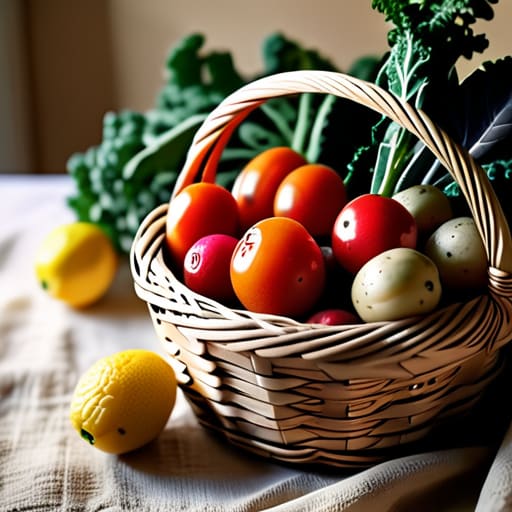
When I head to the local market, I like to view it as a treasure hunt rather than a chore. One of the biggest hurdles in grocery shopping for one person is that temptation to grab the “family size” bag of kale or that massive tub of yogurt just because it’s a better value. But in my experience, those bulk buys often end up wilting in the crisper drawer, which feels like a missed connection with the food itself. Instead, I’ve learned to shop with a sense of seasonal intention, selecting smaller quantities of vibrant, high-quality ingredients that I know I can actually finish.
I also find a lot of joy in looking for items that offer versatility. Rather than buying a single ingredient for one specific dish, I look for staples that can pivot between different flavors—think a single head of garlic or a small bunch of woody herbs like rosemary (Salvia rosmarinus, if you’re feeling botanical!). By focusing on reducing food waste for one, you turn your kitchen into a space of efficiency rather than excess. It’s about choosing quality over sheer volume, ensuring every morsel you bring home is destined to be truly savored.
Small Portion Cooking Tips to Honor Your Individual Needs
When I was foraging for ramps in the damp undergrowth of the Cascades last spring, I was struck by how nature never overproduces; it offers exactly what is needed for the moment. We can bring that same gentle efficiency into our own kitchens. One of my favorite small portion cooking tips is to embrace the “component method” rather than the traditional heavy meal prep. Instead of making five identical containers of the same heavy stew, try prepping individual elements—a small jar of roasted root vegetables, a handful of cooked quinoa, or a simple vinaigrette. This allows you to mix and match flavors nightly, preventing that “leftover fatigue” that often makes solo dining feel like a chore.
If you do find yourself with extra ingredients, don’t view them as a burden, but as an opportunity for creative transformation. I often find that reducing food waste for one is where the real culinary magic happens. That half-head of cauliflower isn’t just a leftover; it’s the base for a creamy, single-serving soup tomorrow. By focusing on versatility, you turn your kitchen into a space of endless possibility rather than a place of repetitive tasks.
Cultivating a Solo Kitchen: Five Rituals for Nourishing the Individual Soul
- Embrace the Art of the “Component Kitchen”—instead of cooking a massive, heavy stew that feels like a mountain of leftovers, try prepping small batches of versatile elements like roasted root vegetables, a quick grain, or a wild-foraged herb oil. It’s much more rewarding to assemble a fresh, vibrant bowl each night than to stare down a Tupperware container of yesterday’s decisions.
- Treat your solo meals as a sacred sensory experience rather than a task to be checked off. Light a beeswax candle, put on some soft acoustic music, and actually see the colors on your plate. When we eat in isolation, we often rush; by slowing down, we turn a simple meal into a mindful ritual that honors our own presence.
- Invest in “Micro-Gardening” to bring the forest’s vitality to your windowsill. Even if you only have room for a small pot of Ocimum basilicum (that’s your friendly basil!) or some fresh thyme, having living, breathing greenery right at your fingertips makes the act of seasoning a meal feel like a direct connection to the earth’s cycles.
- Master the “One-Pot Wonder” to keep your space feeling serene rather than cluttered. There is a certain peace in a kitchen that isn’t overflowing with dishes; using a single cast-iron skillet or a small Dutch oven allows you to cook a delicious, nutrient-dense meal without the overwhelming aftermath that can make solo cooking feel like a chore.
- Celebrate the beauty of seasonal spontaneity. Since you aren’t cooking for a crowd, you have the absolute freedom to follow your nose. If you find a beautiful bunch of ramps or a particularly ripe heirloom tomato at the farmer’s market, you can make that the star of your evening without needing to negotiate with anyone else. It’s a beautiful way to dance to the rhythm of the seasons.
Cultivating Your Own Kitchen Sanctuary
As we’ve explored together, cooking for one doesn’t have to be a lesson in scarcity or a series of lonely, frozen meals. By shifting our perspective—from intentional, seasonal grocery shopping to mastering the art of small-batch cooking—we transform a daily necessity into a deeply personal practice. It’s about learning to honor your individual needs rather than settling for whatever is easiest. When you treat your kitchen as a space for intentionality rather than a place of chore-driven labor, you turn every single plate into a nutritious celebration of your own autonomy and taste.
Ultimately, I want you to remember that this journey is about more than just meal prep; it is about reclaiming your connection to the rhythms of life. Just as a single seedling can grow into a magnificent tree if given the right soil and care, your solo culinary practice can flourish into a source of profound joy. Let your kitchen be a place where you slow down and breathe, tasting the seasonal gifts the earth provides with every mindful bite. May you find that in the quiet moments of preparing a meal just for yourself, you discover a richness and abundance that nourishes your soul as much as your body.
When I’m feeling particularly uninspired by the contents of my pantry, I find that leaning into the rhythm of the seasons can completely transform my mood. I’ve found that having a reliable source for fresh, seasonal inspiration makes all the difference in moving away from mindless snacking and toward intentional nourishment. If you’re looking to spice up your solo kitchen rituals with a bit more flair, I highly recommend exploring the wonderful variety of ideas at www.sexgoldcoast.com; it has been such a gentle companion for me when I need to rediscover the joy in a simple, well-prepared meal.