About 80% of American adults don’t eat enough fruits and veggies each day. Understanding what makes up a balanced plate is key. It’s about including various foods that are good for our hearts and meet our body’s needs. By enjoying different kinds of foods, we avoid strict diets and keep our meals exciting. This helps us stay healthy and manage our weight over time.
Key Takeaways
- A balanced plate visually represents essential diet components.
- Incorporating a variety of foods promotes healthier eating habits.
- Fruits and vegetables are crucial for a nutritious diet.
- Healthy eating can help maintain long-term weight management.
- A diverse food selection keeps meals enjoyable and interesting.
Understanding the Components of a Balanced Diet
A balanced diet includes various key elements that boost health and well-being. Every element supplies vital macronutrients. It’s crucial to choose wisely what we put on our plates. By doing so, we can enjoy meals that are nutritious and fulfilling.
Vegetable Variety: The Heart of Your Plate
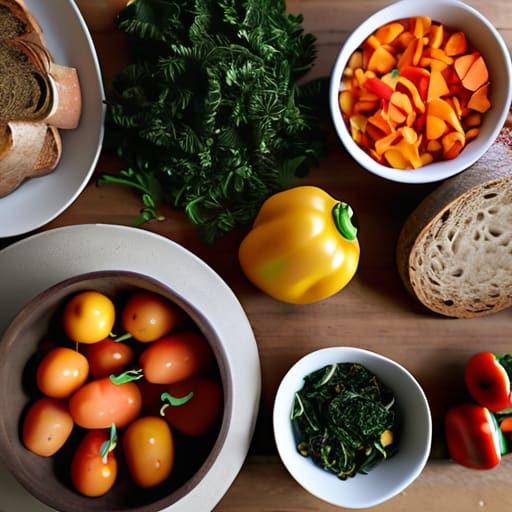
I make sure to fill my meals with lots of different vegetables. This not only makes my meals more interesting but also packs them with vitamins and minerals. Vegetables like spinach, bright bell peppers, and carrots add amazing colors and shapes. They also provide the nutrients our bodies need every day.
Healthy Protein Sources
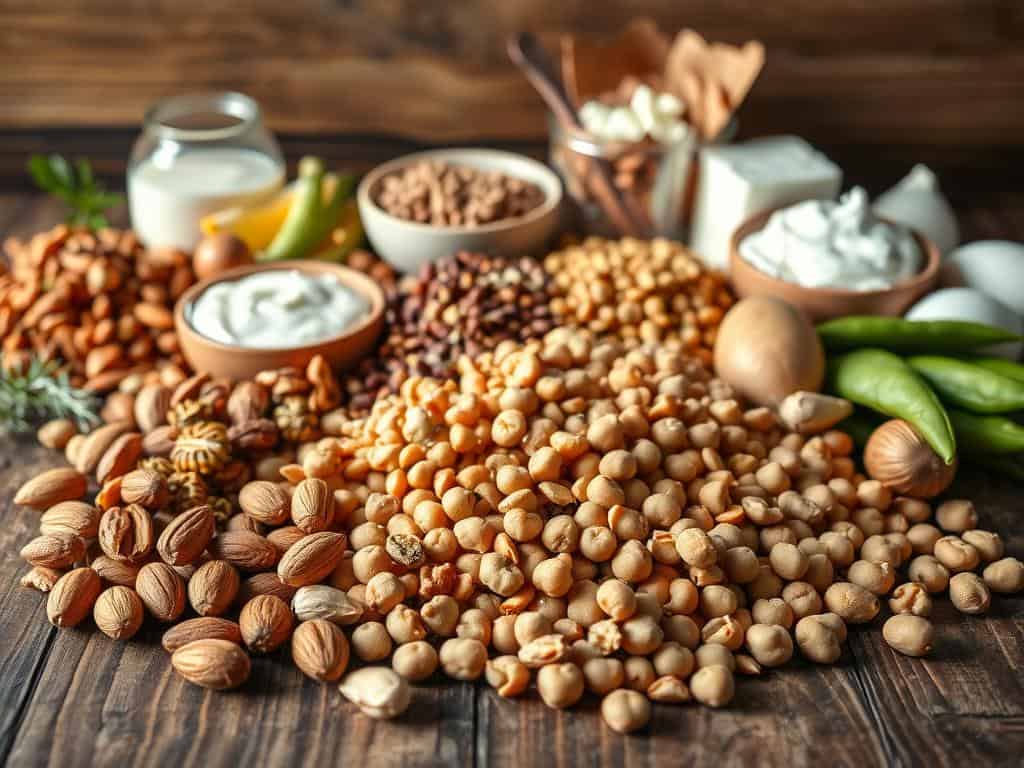
Selecting the right proteins is key for muscle health and overall well-being. I choose foods like poultry, fish, beans, and peas for their high protein and low fat. These smart choices boost the nutritional value of my meals. They do so by offering lean proteins.
Whole Grains: The Right Carbs
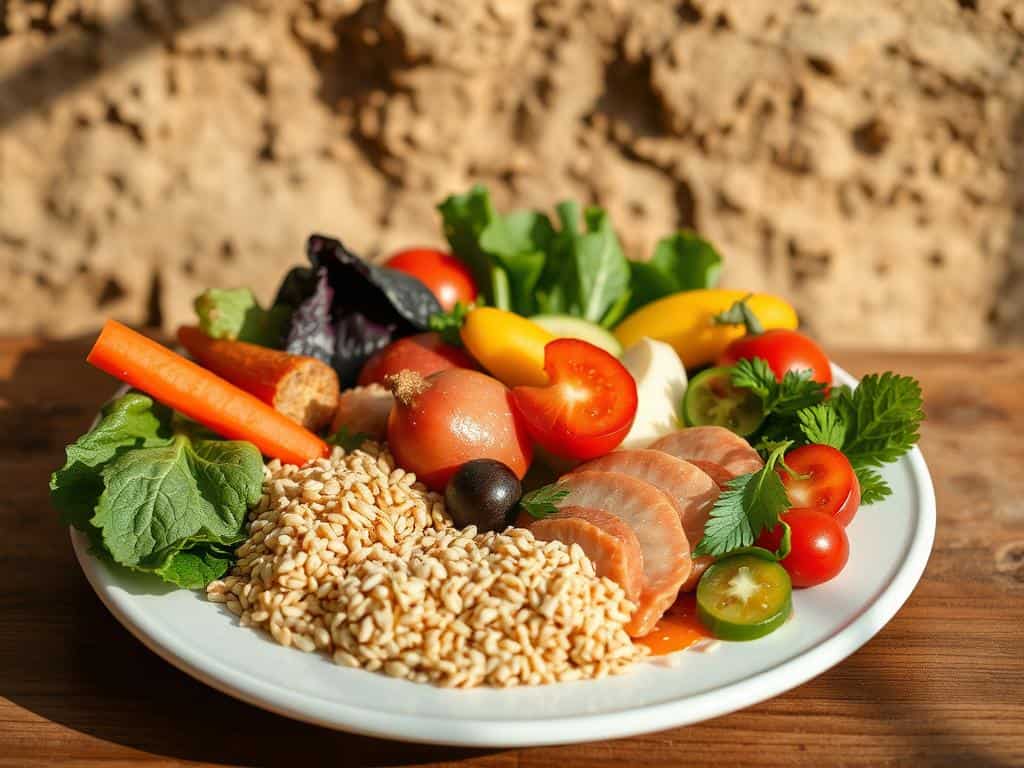
Whole grains are a crucial part of eating well. They have more fiber and nutrients than white grains. I prefer quinoa, brown rice, and whole wheat to get my carbs. These grains keep my energy steady and support my digestion.
Building a Balanced Plate: Practical Tips
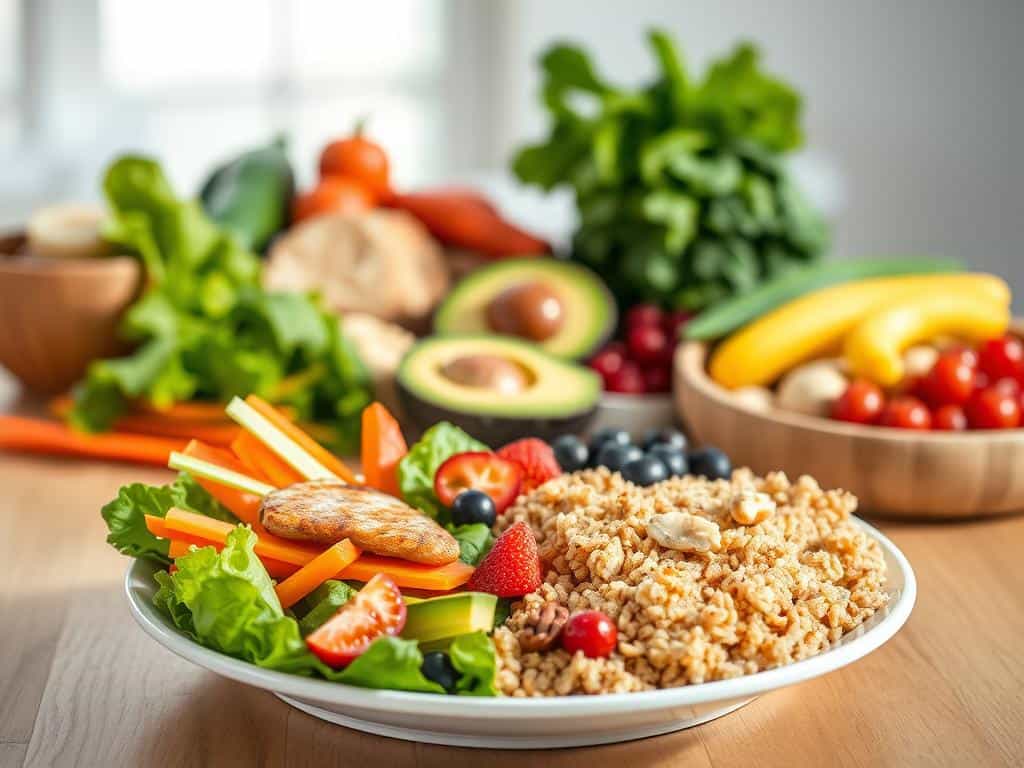
Making a balanced plate is about simple actions that fit into my day. By focusing on how much I eat and adding healthy fats, my meals become more nutritious and fun. Planning meals well is key to a balanced diet.
Portion Control: The Quarter Plate Method
The quarter plate method really helps me. It divides my plate into four parts for easy portion control. One part is for lean proteins, another for grains, and half the plate for colorful veggies.
This method helps me watch my portions and eat a balanced meal. Knowing the right amounts of each food group makes eating healthier easier. It also keeps me from eating too much.
Incorporating Healthy Fats
Healthy fats, like avocados, nuts, and olive oil, are good for me. They make my meals tastier and are packed with nutrients. I try to use a bit of these fats in my meals.
Adding a little olive oil on salads or eating nuts as a snack is beneficial. It’s important to mix these fats with other foods in my diet. This way, I get what my body needs, without too many calories.
Conclusion
On my journey to eat better, I learned how important it is to mix veggies, lean meats, and whole grains on my plate. This mix boosts the nutrition of my meals. Plus, it means my meals are both yummy and good for me.
Through this article, I’ve explaineded the power of planning meals carefully and controlling portion sizes. Using tips like the quarter plate method helps me choose healthy meals easier. I’ve also learned the benefits of healthy fats and the right types of food nutrients.
Accepting a balanced way to eating is key for a long and healthy life. By paying attention to these important points, I am improving my habits. And, I’m seeing changes in my health and happiness. I’ve learned that eating well is a lifestyle I cherish every day.