
One typical Sunday afternoon, I was scrolling on social media while TV played in the background. Notifications kept buzzing non-stop, and I noticed my phone was more of a crutch. It hit me: I was stuck in a cycle of checking my phone way too much. So, I decided something had to change. I chose to embark on a 30-day journey without my digital devices. My aim was to get back my time, be more productive, and experience life without staring at screens. This decision brought significant positive changes to my daily life.
Key Takeaways
- Realizing you’re hooked on your phone is key to personal growth.
- Giving up your phone for a bit can really help focus and get things done.
- It’s vital to have clear rules if you’re trying a digital break.
- Feeling like you’re missing out is normal when you’re not on your phone.
- If you stop using your phone, you might feel withdrawal symptoms.
- The good things from taking a break from your phone last even after it’s over.
Understanding the Digital Detox Challenge
I decided to do a digital detox because I was too caught up with tech. I realized too much screen time was bad for my focus and mental health. People detox digitally to focus better and enjoy life, not just to scroll on their phones.
Why I Decided to Give Up My Phone
I chose to stop using my phone for a month because it overwhelmed me. Constant notifications and the need to always check social media made it hard to focus. I wanted to cut down my screen time and be more mindful every day. Many people feel the same way in our digital world.
Setting the Ground Rules for the Challenge
Setting clear rules was key for my digital detox. I limited phone use to only necessary things. The rules helped me stay mindful and enjoy my surroundings. I replaced screen time with activities that boosted my well-being. These guidelines made me ready for the challenge and opened the door to new insights.
The Initial Struggles of Going Phone-Free
Starting to live without my phone brought unexpected emotional hurdles. Facing the fear of missing out (FOMO) was tough. It showed me how much I relied on social media for news.
The fear of missing key moments made me anxious and left out. This was especially true at social events where everyone else was connected.
Coping with FOMO (Fear of Missing Out)
FOMO hit me quickly. My friends talked about events and experiences I missed out on. This made me feel disconnected from what was happening around me.
Many young people feel this way when they see others enjoying life online. I wanted those updates, feeling left out of my peer group’s important moments.
Experiencing Withdrawal Symptoms
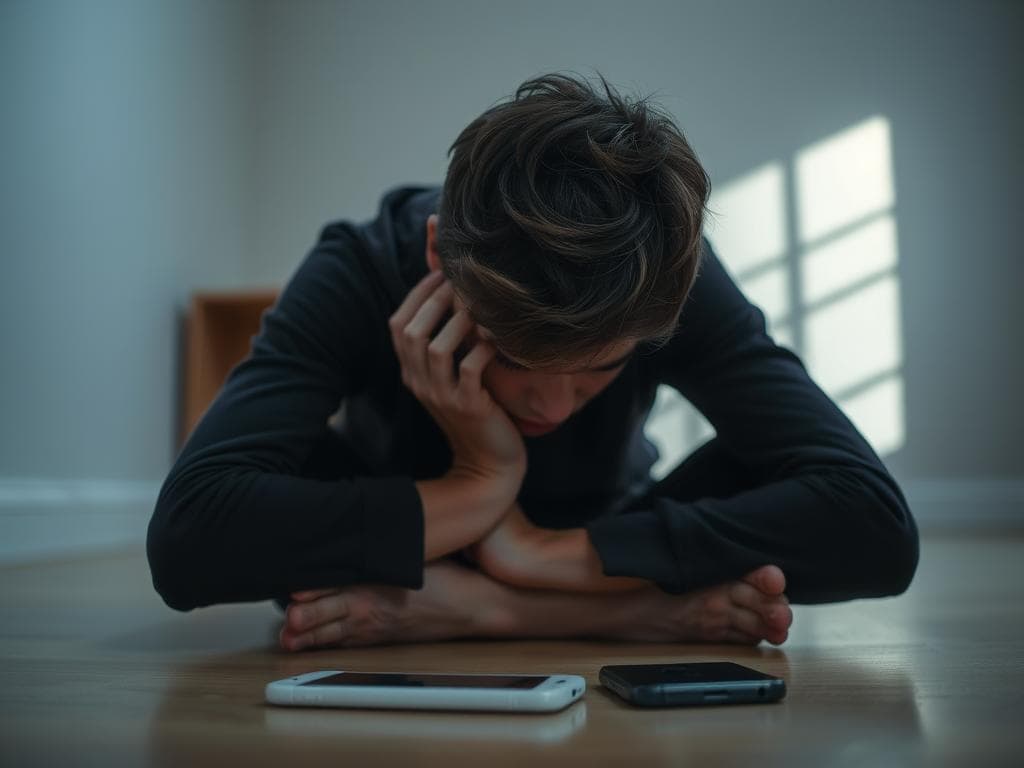
Letting go of social media brought strong emotions. I missed the constant notifications, messages, and posts. It felt like something was missing from my day.
Studies reveal that young people feel more stressed and anxious when they’re away from their gadgets. I felt restless, always tempted to check my phone. This showed how much I depended on technology for social connections.
The Benefits of Digital Detox
I started a digital detox and it opened up a new world for me. Cutting back on screen time, I found more clarity and purpose. This change helped me stop wasting time on pointless scrolling.
Now, with extra time, I could focus on important things. This made my daily life and work much better.
Reclaiming My Time and Focus
Using my smartphone less improved my focus. Without constant distractions, focusing became easier. I could enjoy my hobbies and duties more fully.
This led me to live more intentionally. It changed how I do daily things, making each moment count.
Improving Productivity and Mindfulness
My productivity shot up. I set aside times for work without distractions and achieved more. Also, I became more mindful and present in all interactions.
Living this way made my life fuller and more satisfying. Both my work and personal life saw big improvements.
Conclusion
Looking back on my digital detox journey, I’ve realized how it deeply changed my view on using tech. I started to talk more with people face-to-face and got back to my old hobbies. This wasn’t just about using my phone less; it led me to enjoy living in the moment more.
In our world, being hooked on our smartphones is a big issue. My thirty-day challenge reminded me of how tech affects our well-being. I was more focused, and I felt more connected to the world in new ways. This showed me that you can find a balance between using tech and experiencing life, making me use my devices with more thought.
As I gently go back to digital life, I keep the lessons from those thirty days close to my heart. I’ve learned how important it is to be mindful when using tech and to build strong relationships without the distraction of notifications. I encourage you to think about your tech use and how taking a break could make your life better. Though it was hard, the wonderful changes it brought me make it clear that disconnecting has great rewards.