Did you know that nearly 90% of consumers are willing to pay more for locally sourced food? This shows a big change in the way restaurants operate. More and more, they’re choosing to use ingredients from nearby farms. This choice means tastier menus for us and better support for local growers. It’s a win-win that helps the planet and our communities.
In this article, we’ll explore how restaurants are making these changes. We’ll see their partnerships with farms and how this commitment to local food is making a difference.
Key Takeaways
- The majority of consumers prioritize local food, favoring restaurants with farm-to-table practices.
- Restaurants are increasingly committed to sustainability through their sourcing choices.
- Forming partnerships with local farms strengthens the relationship between eateries and their communities.
- High-quality meals are often a direct result of using fresh, locally sourced ingredients.
- The farm-to-table movement benefits local economies by supporting regional farmers.
Sustainable Practices Gaining Momentum
The restaurant world is seeing a big shift towards being sustainable. Chipotle stands out in pushing for these green efforts. Their new short film, “Unfolded,” highlights how important green farming is to them. This follows their earlier campaigns, “The Scarecrow” and “Back to the Start,” showing how much they care about where their food comes from. This message has really clicked with people who eat at their restaurants.
Chipotle’s “Unfolded” and Its Impact
“Unfolded” offers a new look at how green farming can lead to good changes. Chipotle shares this message through the movie on platforms like Roblox, showing they care about both people and the planet. This move gets young people interested and supports their mission to use good ingredients.
Supporting Farmers and the Community
Chipotle does more than just talk about being community-minded. They’ve given $5 million to help farmers. This includes $2 million for colleges teaching green farming. This money helps Chipotle work closely with local farms, keeping their food top-notch.
By doing this, Chipotle proves its commitment to helping farmers and improving community life.
Farm-to-table news: The Trend Among Local Establishments
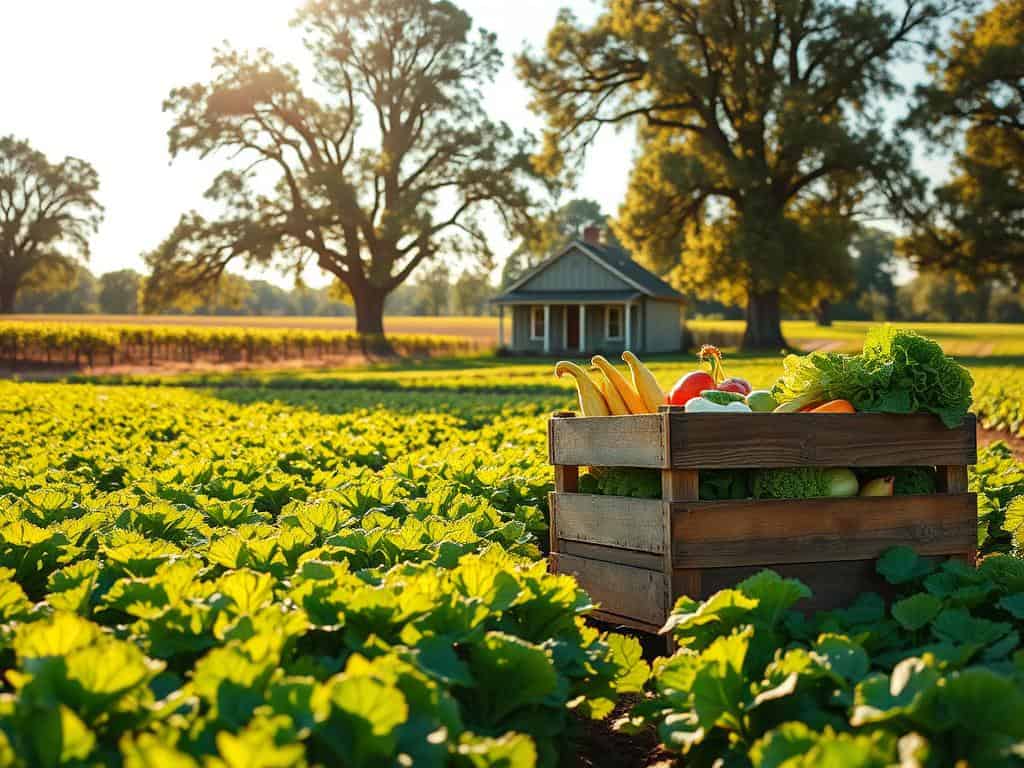
This trend of farm-to-table dining has caught many people’s attention. It shows how local spots work closely with farms that supply them. By choosing fresh, local ingredients, they make unique menus that change with the seasons. This also boosts the local economy.
The Rise of Farm-Integrated Dining
In my journey through the food scene, I’ve seen many places adopt this farm-to-table approach. It’s not just about taste—it’s about being eco-friendly too. You’ll find more and more dishes made with food from local farms. This teamwork between chefs and farmers brings out creative menus that reflect the local flavors.
Chefs and Farmers Collaborating
Chefs and farmers working together show they care about their community and the environment. Chefs value fresh ingredients and establish partnerships with nearby farms. This effort lets chefs highlight what’s in season. It supports the farm-to-table idea that many places love. Such teamwork leads to amazing meals that showcase the best local tastes.

Innovative Farming Techniques for Local Food
Exploring new farming methods is key to boosting local food systems. Such methods increase both sustainability and productivity. This lets communities grow while caring for the environment.
Polyculture and Agrivoltaics
Polyculture involves growing different crops together. It’s crucial for a stronger agricultural environment. This approach boosts biodiversity and fights pests, making ecosystems healthier.
Agrivoltaics combines solar power with farming. It’s a smart way for farmers with limited land to use their resources well. They can produce energy and grow crops on the same land.
Challenges and Solutions for Local Farms
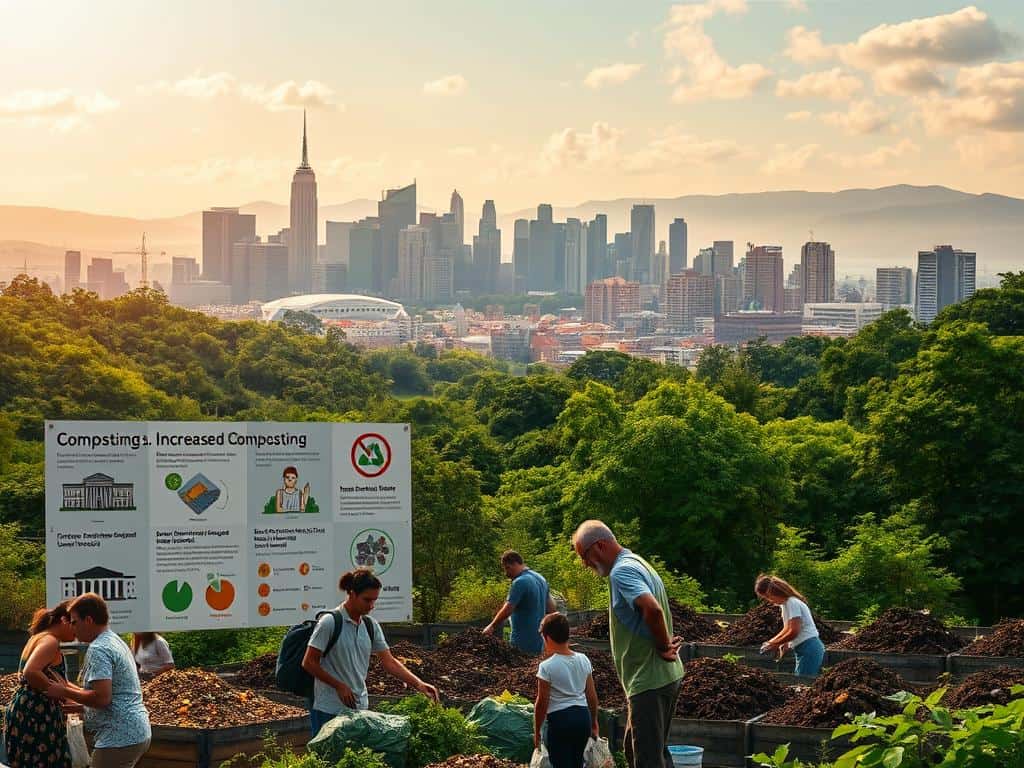
Local farms face challenges like unpredictable weather and water shortages. To manage these, farmers adopt new strategies and sustainable practices. Techniques like no-till gardening and composting help improve soil and crop yields.
These methods lessen the impact of environmental stressors. They also help make the local food system more stable and sustainable.
Conclusion
Looking at the farm-to-table movement, we see big changes in how we eat and connect. It focuses on local food and sustainable ways. This not only makes our food better but also brings people closer together. It’s great to see more restaurants helping local farmers. They all work together to make sure we get the best, freshest ingredients.
New farming methods are also exciting. Things like growing different crops together and using land for both farming and solar energy are cool. They help make our food choices better for us and the planet. This shows local, sustainable living is becoming more popular. It’s changing how we see and deal with food.
This move towards better eating habits is a big deal. As we keep supporting these ideas, our connections through food will get stronger. Our choices in food will show what we stand for. The farm-to-table movement is about more than food. It’s about creating a caring, thriving world for everyone in the future.