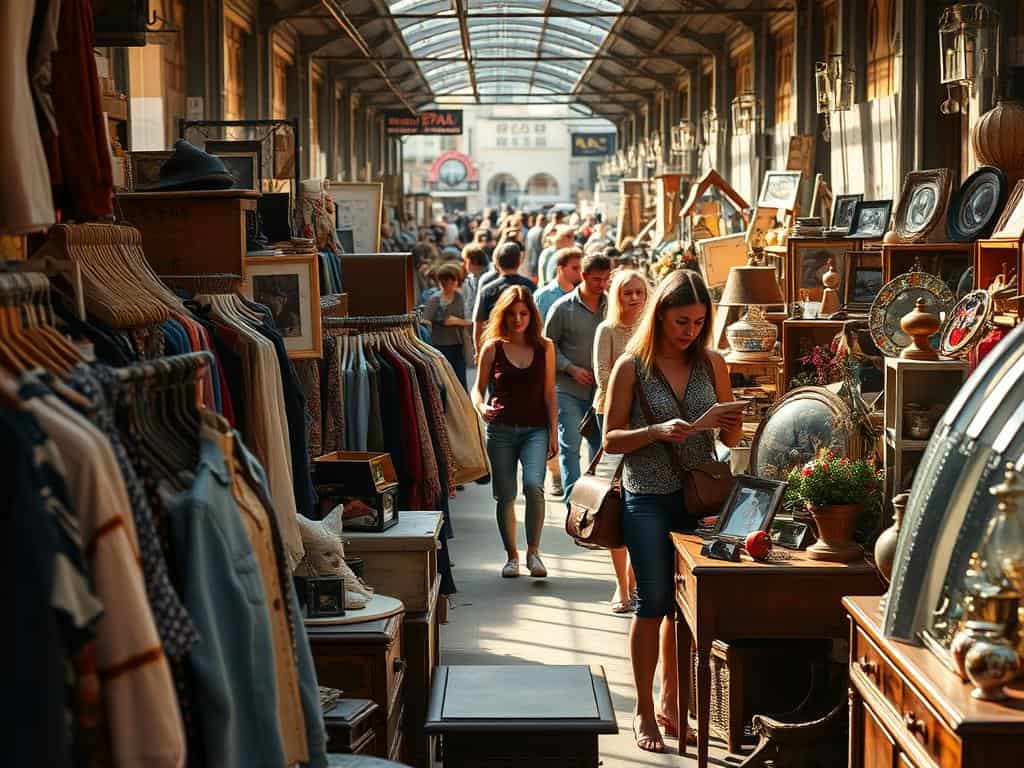
While I was looking through clothes at a thrift shop, I found a jacket that made me think of a stylish college friend. It was unique, well-made, and only $12. I was thrilled to find such a deal. More than that, I was happy to be part of the secondhand trend. It wasn’t just about saving money.
I was helping the planet by choosing used items. The negative view of secondhand goods is fading. Now we see their worth and history. This shopping trip showed me that secondhand is not just good for my closet. It’s good for the earth too.
Each special item I find reminds me of the change in our shopping habits. We’re learning that secondhand items are not lesser. They’re a smarter choice.
Key Takeaways
- The secondhand economy promotes sustainable consumption.
- Thrift shopping encourages the reuse of quality items.
- Choosing pre-loved goods reduces waste and carbon footprints.
- Secondhand fashion provides unique style opportunities.
- Eco-friendly fashion is becoming a mainstream choice.
The Rise of the Secondhand Economy
The secondhand economy is getting bigger and more popular. People are changing how they think about used fashion. Instead of seeing it as a last choice, many view it as a cool, earth-friendly option. The secondhand market might hit $100 billion by 2025. This shows a major change in how consumers prefer to reuse and resell items. The growth of the resale world has made these choices popular and easy to get into, especially for the youth.
The Shift in Consumer Mindset
Gen Z has a big part in changing how people think about shopping. They care a lot about the environment and support sustainable living. They’re always on the lookout for special fashion finds and turn to secondhand shops. Websites like Depop and Poshmark are popular with them because they can get unique, vintage stuff in an eco-friendly way.
Opportunities and Challenges
This change in shopping habits opens up many opportunities. Online platforms make it simpler to get secondhand clothes at good prices. But, there are hurdles. Resale sites struggle to make money and face tough competition. Companies like ThredUp try new ideas such as Resale-as-a-Service. They aim to grow by working together with others in the industry.
Economic and Environmental Benefits of Secondhand Shopping
Thinking about secondhand shopping highlights the money-saving part. Items often come at much lower prices than brand-new ones. We find deals on clothes, furniture, and toys. This makes it a smart option for savers. Americans save a lot this way, given their spending on things they don’t really need.
Saving Money
Going to thrift shops or online stores, I find items up to 50% cheaper. It’s fun to find quality goods at low prices. This way, I keep my wallet happy and support responsible buying. Choosing used items helps me save money and be more eco-friendly.
Environmental Impact
Secondhand shopping greatly helps the planet. Making new stuff uses a lot of water and energy. For example, just making a pair of jeans needs about 1,800 gallons of water. Buying used, I cut down on waste and save resources. I’m also fighting pollution by doing this.
By avoiding new purchases, my carbon footprint shrinks. I help stop the harm caused by fast fashion. Fast fashion is a big source of carbon emissions worldwide.
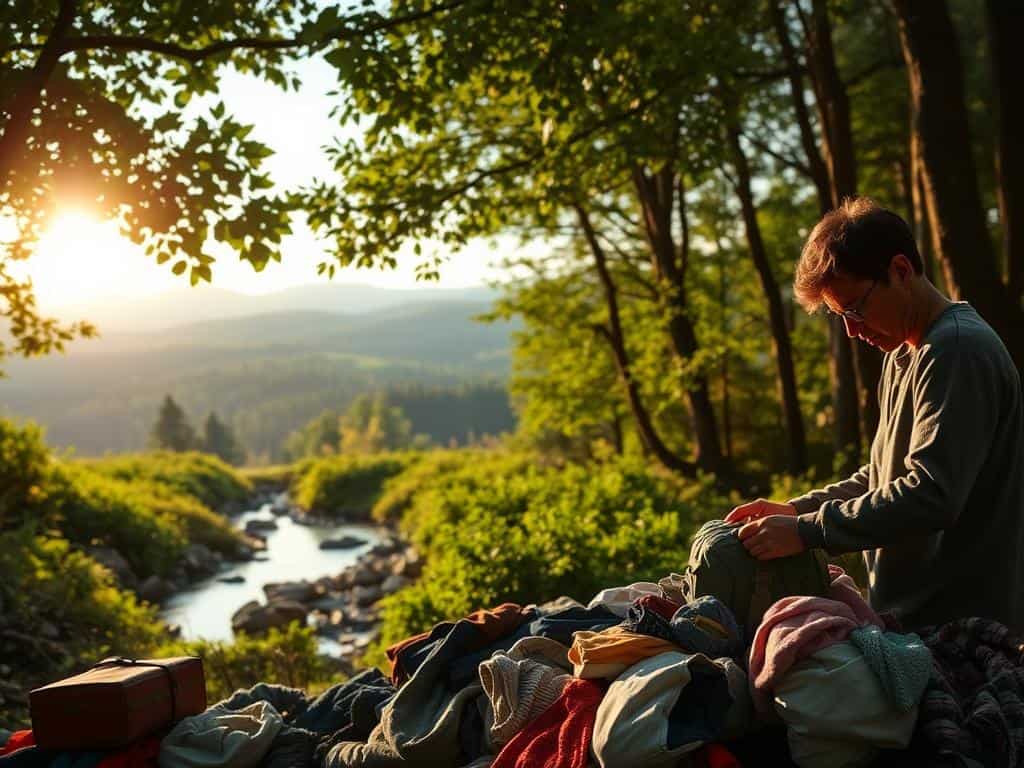
Embracing a Conscious Choice: Style and Sustainability
In today’s world, choosing secondhand options makes shopping a meaningful act of conscious consumerism. Diving into thrift culture, I find exciting and unique fashion items. Each piece tells a story, creating a wardrobe full of history and personality.
Unique Finds and the Thrill of Thrifting
The excitement of thrifting isn’t just in the unique finds. It’s also in the creativity it sparks. I find treasures in thrift stores and consignment shops that stand out from the norm. This culture celebrates being different, letting me show my style in my own way. Each purchase supports sustainable fashion, making every find important for a greener world.
Secondhand Fashion in the Spotlight
Secondhand fashion gets attention at big fashion weeks in London and New York, thanks to eBay. These events show off pre-loved items, giving them a new life. They push us to think differently about fashion, moving away from buying too much. I’m proud to be part of this change, where being eco-friendly is stylish.
Conclusion
The future of fashion is deeply linked with the growth of secondhand shopping. As I dive into this area, I see how important it is to make mindful shopping choices. By choosing secondhand, I save money and help create a more sustainable world.
This shift gives us a new view on how we buy things. It shows that secondhand shopping is smart for both our wallets and the earth. As I learn more, I aim to show others how important their buying choices are and to grow their love for reusing.
Together, we can support secondhand fashion and build a better future for the fashion world. I think that by understanding the good in buying secondhand, we can start valuing the earth more. This can lead to a culture that values sustainability.