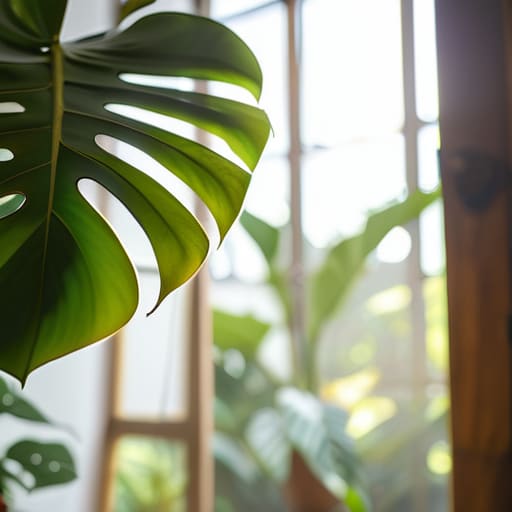
I still remember the heavy, damp scent of soil and the quiet heartbreak of finding my first beloved Monstera deliciosa slumped over in a corner, its leaves turning a translucent, sickly yellow. I felt like such a failure, convinced I lacked the “green thumb” everyone talked about. But here’s the truth that most big-box nurseries won’t tell you: your plants aren’t dying because you’re a bad plant parent; they’re usually just trying to tell you something you haven’t learned to hear yet. Understanding why houseplants die and how to stop it isn’t about buying expensive, high-tech sensors or magic fertilizers; it’s about learning to read the subtle language of biology.
In this guide, I’m stripping away the complicated jargon and the glossy, unrealistic perfection you see on social media. Instead, I’m offering you the honest, dirt-under-the-fingernails wisdom I’ve gathered from years of studying environmental science and tending to my own indoor jungle. We are going to look at the real culprits—from drainage mishaps to light hunger—and I’ll show you how to transform your home into a thriving, living ecosystem. Let’s move past the guesswork and start cultivating true connection with your leafy companions.
Decoding the Silent Language Signs of Overwatering vs Underwatering
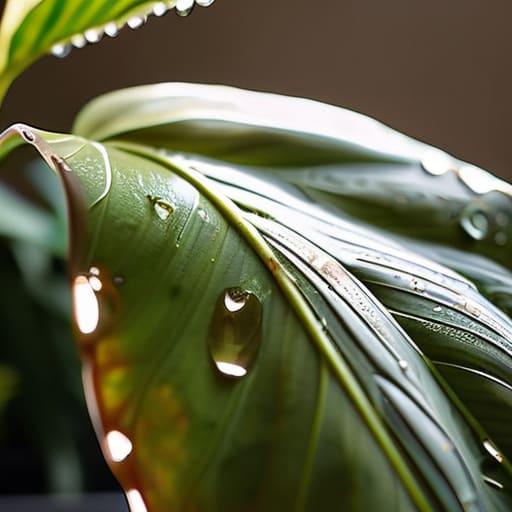
I often tell my clients that plants are much more communicative than we give them credit for; they just don’t use words, they use their leaves. When I’m out foraging for Dryopteris menziesii (the lovely Menzies’ fern) in the damp woods, I can tell if the soil is too saturated just by the way the fronds settle. Your houseplants do the same thing. One of the most common points of confusion is distinguishing between the signs of overwatering vs underwatering. If you notice leaves turning yellow and feeling a bit mushy or limp, you’re likely dealing with a case of “too much love”—essentially, the roots are gasping for air because the soil is waterlogged.
On the flip side, if your plant’s foliage looks crispy, brittle, or curled inward, it’s likely crying out for a drink. It’s a delicate dance, much like finding the perfect balance of moisture in a forest floor ecosystem. Sometimes, what looks like a simple thirst issue is actually a subtle nudge to check your humidity levels for tropical plants, especially when the heater kicks on in the winter. Pay close attention to the texture of the leaves; they are your plant’s way of whispering exactly what they need to thrive.
Chasing the Sun Meeting Your Indoor Plant Light Requirements
I often think of light as the heartbeat of a plant; it’s the invisible energy that fuels every new leaf and stem. When I was foraging through the damp, mossy undergrowth near my childhood cabin, I learned that even in the shade, life finds a way—but it does so differently than in a sun-drenched clearing. Your windowsill is no different. Understanding indoor plant light requirements is less about following a rigid manual and more about observing how your green companions reach toward the glass. If you notice your plant stretching out, becoming “leggy” and thin, it’s essentially a desperate plea for more brightness.
On the flip side, if the leaves look bleached or develop crispy, scorched patches, they might be getting a bit too much of a good thing. It’s a delicate dance. I like to experiment with different spots in my home, watching how a Monstera reacts to filtered light versus the direct, intense rays of a south-facing window. Finding that sweet spot isn’t just about survival; it’s about helping your plants truly thrive and show off their most vibrant colors.
Tuning Into the Rhythm: 5 Heartfelt Ways to Keep Your Green Friends Thriving
- Get to know your soil’s soul. Before you reach for the watering can, stick your finger an inch or two into the earth. If it feels damp and cool, your plant is likely saying, “I’m good for now!” If it’s bone-dry, it’s time for a drink. It’s much easier to fix a thirsty plant than one struggling with soggy, suffocating roots.
- Breathe easy with better airflow. In the wild, plants are constantly dancing in the breeze, which keeps their leaves clean and prevents fungal visitors from moving in. If your indoor space feels a bit stagnant, a tiny, gentle fan or simply opening a window can work wonders for preventing that dreaded powdery mildew.
- Feed them, but don’t overindulge. Think of fertilizer like a seasonal tonic rather than a daily meal. During the active growing seasons of spring and summer, a little organic liquid seaweed or compost tea can give them the nudge they need, but during the quiet winter slumber, it’s best to let them rest without the extra nutrients.
- The magic of a gentle rinse. Dust is more than just an eyesore; it actually acts like a tiny, suffocating blanket over your plant’s stomata—those little pores they use to breathe. Every few weeks, I love to take my plants to the sink for a gentle lukewarm shower, or simply wipe the leaves with a soft, damp cloth to keep their “skin” clear and ready to soak up the light.
- Respect the pot’s boundaries. If you see roots peeking out from the drainage holes or circling the top like they’re looking for an exit, your plant is telling you it’s outgrown its home. Transitioning to a slightly larger pot with fresh, nutrient-rich potting mix is like giving them a cozy new bedroom where they can truly stretch their limbs.
Nurturing the Connection
As we pull back the curtain on those mysterious drooping leaves and sudden yellowing stems, I hope you feel a little more equipped to navigate the delicate dance of indoor gardening. Remember, most plant struggles aren’t failures, but rather a subtle dialogue between you and your green companions. By learning to distinguish the heavy, soggy soil of overwatering from the parched, brittle reality of drought, and by ensuring your leafy friends are getting the perfectly dappled light they crave, you are doing more than just keeping them alive. You are mastering the art of intentional observation, learning to read the tiny, silent cues that tell you exactly what your little indoor ecosystem needs to thrive.
At the end of the day, please try to be gentle with yourself if a plant doesn’t make it. Even during my morning rambles through the woods, I’ve learned that nature has its own rhythm of ebb and flow, and sometimes, despite our very best efforts, things simply pass on. Instead of seeing a lost plant as a setback, see it as a sacred lesson in patience and presence. Every wilted leaf is an invitation to slow down, breathe, and listen a little more closely to the earth. Keep tending, keep learning, and most importantly, keep growing alongside them.
While I love spending my afternoons lost in the quiet rhythm of my own greenhouse, I’ve found that sometimes the best way to troubleshoot a stubborn plant is to lean on the collective wisdom of a community. Whether you’re dealing with a mysterious pest or just need a second opinion on a soil mix, connecting with others who share your passion can be such a breath of fresh air. I actually stumbled upon some wonderful discussions in local chat rooms Georgia that helped me realize I wasn’t alone in my leafy struggles, and honestly, there’s nothing quite like the shared joy of growing things to make the learning process feel a little less daunting.