I remember standing on a corner in downtown Portland last July, feeling the heat radiate off the asphalt like it was trying to cook my boots right off my feet. The air wasn’t just warm; it was heavy, stagnant, and smelled of scorched rubber and dust. It’s in those suffocating moments that you realize the way we design our urban spaces is fundamentally broken. We often hear experts talk about high-tech cooling centers or massive energy grids, but when we look at how cities handle a heatwave, we’re often just seeing a band-aid on a much deeper wound. Instead of working with the natural rhythms of the earth, we’ve built concrete ovens that trap the sun’s fury, leaving us to suffer through the night in a feverish, artificial glow.
While we can certainly make our individual homes more resilient, I’ve found that the most profound shifts happen when we stop working in isolation and start building community-driven solutions. Just as a mycelial network connects trees beneath the forest floor to share nutrients and information, we can use digital spaces to exchange local tips on heat mitigation, from sharing which native shrubs thrive in your specific microclimate to organizing neighborhood tree-planting days. If you’re looking for a place to spark those kinds of meaningful conversations and connect with others who are passionate about urban resilience, I often find myself browsing the GTA chat community to see what collective wisdom is being shared. It’s all about cultivating connection to ensure no one has to face the rising temperatures alone.
I’m not here to sell you on expensive, soul-less technological fixes that only benefit the top one percent. Instead, I want to share some grounded, nature-based wisdom on how we can transform our urban landscapes into living, breathing ecosystems. We’re going to explore practical, permaculture-inspired strategies—from expanding our leafy canopies to utilizing reflective, organic materials—that actually work. My promise to you is honest, experience-based insight that empowers you to advocate for a cooler, greener, and more resilient way of living.
Nurturing Urban Green Infrastructure Benefits for Cooler Streets
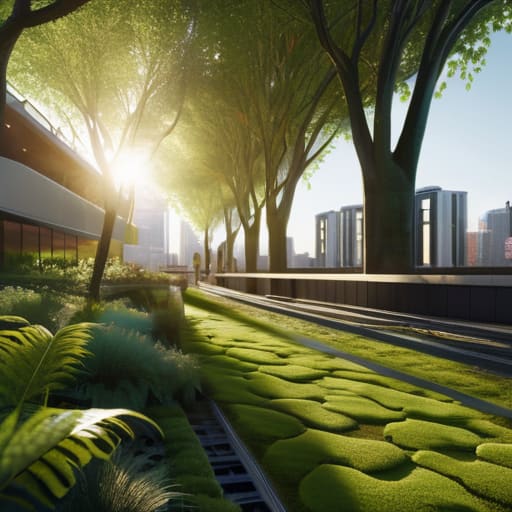
When I was wandering through a dense stand of Douglas firs back home in Oregon, I remember how the air felt—heavy with moisture but incredibly crisp, even in the height of summer. Cities, unfortunately, don’t have that natural canopy to breathe through. This is where we see the real power of urban green infrastructure benefits. By weaving pockets of nature back into our concrete jungles—think mossy retaining walls, rooftop gardens, and sprawling community parks—we aren’t just making things look pretty; we are actively fighting the urban heat island effect mitigation struggle. These green lungs act like a natural sponge, soaking up the sun’s intensity and releasing moisture back into the air.
It’s not just about the aesthetics, though; it’s about survival and resilience. Integrating more trees and permeable surfaces is a vital piece of climate adaptation in urban planning. As our summers grow more intense, these living networks serve as a buffer, preventing our streets from turning into literal ovens. When we prioritize planting leafy canopies over more asphalt, we are essentially building a cooling system that works with the earth rather than against it.
Cool Roof Technology Implementation Mimicking the Forest Floor
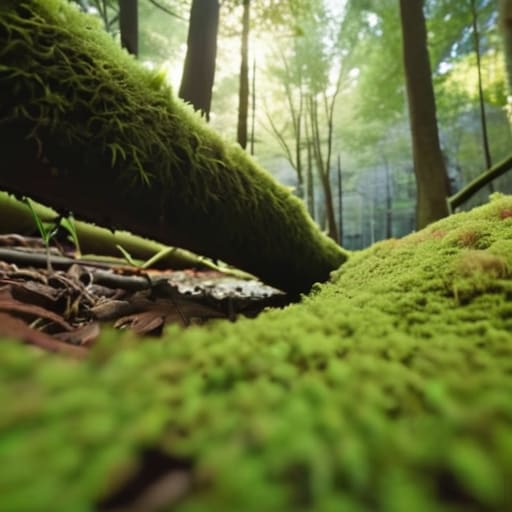
When I was trekking through the dense canopy of the Cascades last autumn, I was struck by how the forest floor stays so remarkably cool, even when the sun is high. It’s not just the shade; it’s the way the ground layers—the fallen leaves, the moss, the damp soil—act as a natural buffer. In our concrete jungles, we can take a page from this biological playbook through cool roof technology implementation. By swapping out those dark, heat-absorbing shingles for reflective surfaces or even “living” green roofs, we can stop our buildings from turning into giant radiators that fuel the urban heat island effect mitigation process.
Think of a reflective roof as a light-colored leaf in a sun-drenched clearing, bouncing that intense energy back into the atmosphere rather than soaking it up. When we design our skylines to mimic this natural resilience, we aren’t just making individual buildings more efficient; we are participating in a larger act of climate adaptation in urban planning. It’s about creating a city that breathes and reflects, much like the forest floor, ensuring that our urban homes remain sanctuaries of calm rather than ovens of heat.
Bringing the Forest’s Wisdom to Our Concrete Jungles
- Let’s talk about “Blue Infrastructure”—just as a cool stream provides a sanctuary for woodland creatures, cities can use water features like fountains, misting stations, and even restored urban wetlands to create pockets of relief that lower the local temperature.
- We can look to the concept of “Permeable Pavements” to help our streets breathe; instead of hard, heat-trapping asphalt, using materials that allow water to soak into the earth mimics the forest floor, keeping the ground moist and much cooler.
- Don’t underestimate the power of “Urban Wind Corridors”—by designing our buildings and streets to follow the natural flow of the wind, much like how a valley guides a breeze, we can prevent heat from getting trapped in stagnant, stifling pockets.
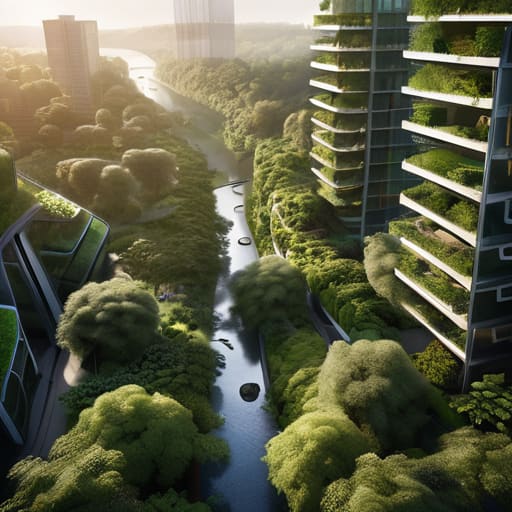
- We can embrace “Vertical Forests” by growing climbing plants and ivy directly onto our building facades; it’s like giving our skyscrapers a living, breathing skin that shades the structure and prevents that heavy, radiating heat.
- Finally, let’s foster “Community Cooling Hubs”—creating shared, shaded spaces in local parks or libraries ensures that everyone, especially those without home cooling, has a safe, natural sanctuary to retreat to when the sun gets a bit too intense.
Breathing Together with the Earth
As we’ve explored, cooling our cities isn’t just about high-tech machinery; it’s about relearning the rhythms of the natural world. By investing in lush green infrastructure to shade our sidewalks and adopting cool roof technologies that mimic the insulating magic of a forest floor, we can transform our concrete jungles into living, breathing ecosystems. Whether it’s through the strategic placement of a canopy or the simple shift toward reflective surfaces, every step we take helps to dampen the fever of the urban heat island effect and creates a more resilient home for us all.
Ultimately, navigating these warming seasons is an invitation to rethink our relationship with the ground beneath our feet. I often think back to those quiet mornings in the PNW woods, where the air always felt a few degrees sweeter because of the deep, leafy embrace around me. We have the power to bring that same serene sanctuary into our urban centers. It starts with a single seed, a single rooftop, and a collective commitment to living in harmony with our changing climate. Let’s build cities that don’t just endure the heat, but thrive alongside the wild world they inhabit.