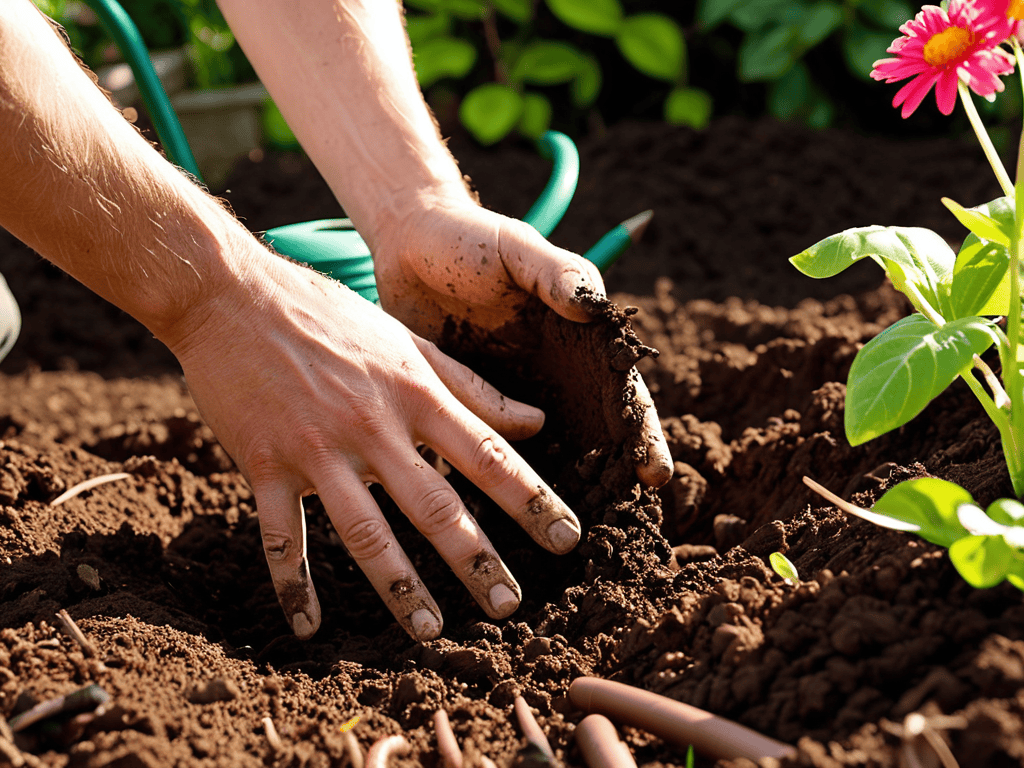
I still remember the day I decided to take matters into my own hands and tackle the poor Garden soil improvement in my backyard. It was a moment of truth – either I could continue to struggle with wilted plants and disappointing harvests, or I could get my hands dirty and learn the secrets to creating a thriving garden oasis. The common myth that you need to spend a fortune on fancy fertilizers and equipment to achieve Garden soil improvement is simply not true. With a few simple tweaks and a bit of elbow grease, anyone can turn their garden into a lush paradise.
So, what sets my approach to Garden soil improvement apart from the rest? In this article, I’ll share my personal, no-nonsense advice on how to assess, amend, and maintain your garden soil for optimal results. You’ll learn how to create a balanced ecosystem that will make your plants sing, without breaking the bank or relying on harsh chemicals. By the end of this guide, you’ll be equipped with the practical knowledge and confidence to take your garden to the next level and enjoy a bountiful harvest.
Table of Contents
Guide Overview: What You’ll Need
Total Time: 2 hours 30 minutes
Estimated Cost: $50 – $100
Difficulty Level: Intermediate
Tools Required
- Garden Fork (for turning soil)
- Shovel (for digging and mixing)
- Rake (for leveling and smoothing)
- Measuring Tape (for measuring soil depth)
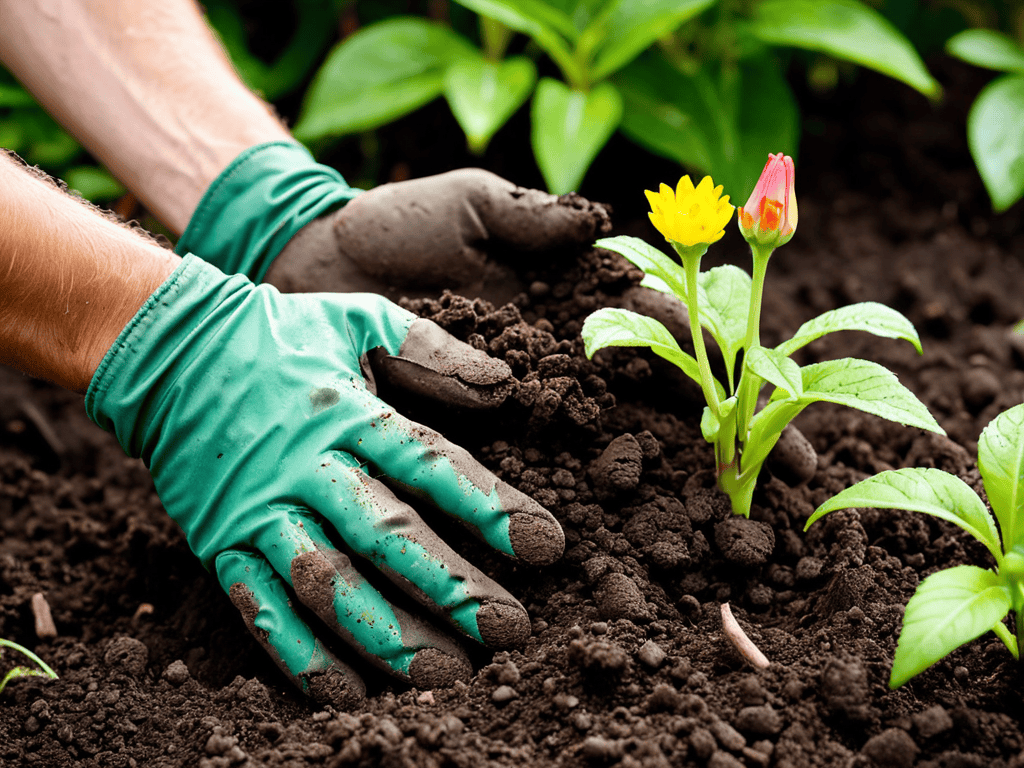
- Gloves (for protecting hands)
Supplies & Materials
- Compost (rich in organic matter)
- Well-Rotting Manure (from herbivores like horses or cows)
- Peat Moss (for improving soil structure)
- Vermiculite (for increasing water retention)
- Lime (for adjusting soil pH)
- Mulch (for retaining moisture and suppressing weeds)
Step-by-Step Instructions
- 1. First, let’s start by assessing our soil to determine its current state and what it needs to become a thriving foundation for our plants. This involves getting a soil test kit or sending a sample to a lab for analysis, which will give us insights into the pH level, nutrient content, and any potential contaminants.
- 2. Next, we need to _add organic matter_ to our soil to improve its structure and fertility. This can be done by incorporating compost, well-rotted manure, or peat moss into the soil. The key is to mix it in well, aiming for about a 20% blend of organic matter to 80% existing soil, to create a balanced ecosystem that supports healthy microbial activity.
- 3. Now, it’s time to tackle the issue of drainage, which is crucial for preventing waterlogged soil that can lead to root rot and other problems. We can improve drainage by adding perlite or vermiculite, which help to break up clay soils and retain moisture in sandy soils, ensuring that our plants receive the right amount of water without drowning.
- 4. The fourth step involves managing pH levels. Depending on the results of our soil test, we might need to adjust the acidity or alkalinity of our soil to match the needs of our plants. This can be achieved by adding lime to raise the pH or elemental sulfur to lower it, though it’s essential to make these adjustments gradually and monitor the effects to avoid drastic changes.
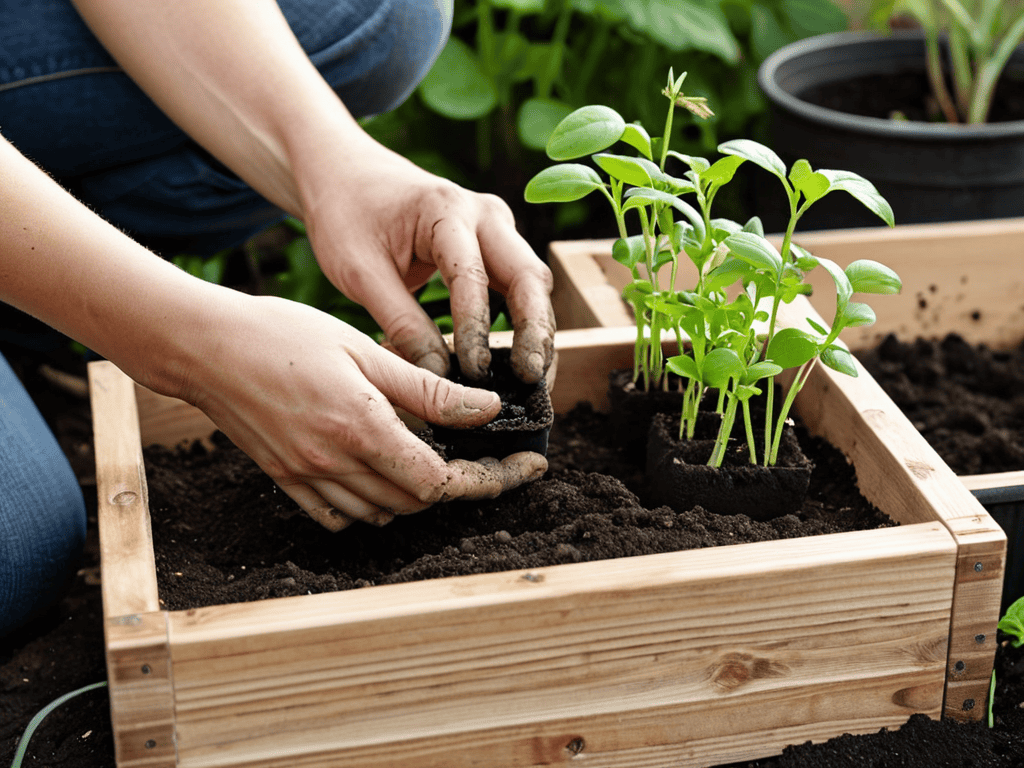
- 5. We should also focus on minimizing soil compaction, which can prevent roots from growing and reduce the soil’s ability to absorb water and air. To combat this, we can create pathways or use raised beds, and avoid walking on or tilling the soil excessively. By giving the soil room to breathe, we encourage healthy root development.
- 6. The sixth step is to introduce beneficial organisms into our soil, such as mycorrhizal fungi or nitrogen-fixing bacteria, which form symbiotic relationships with plant roots and enhance nutrient uptake. This can be done by adding specific inoculants or compost that contains these microbes, further enriching the soil’s biodiversity.
- 7. Finally, maintaining our improved soil is an ongoing process that requires regular monitoring and adjustment. This means keeping an eye on soil moisture, watching for signs of nutrient deficiencies, and being prepared to make tweaks as necessary. By staying attentive and proactive, we can ensure our soil remains a vibrant, thriving foundation for our garden, supporting the health and productivity of our plants year after year.
Garden Soil Improvement
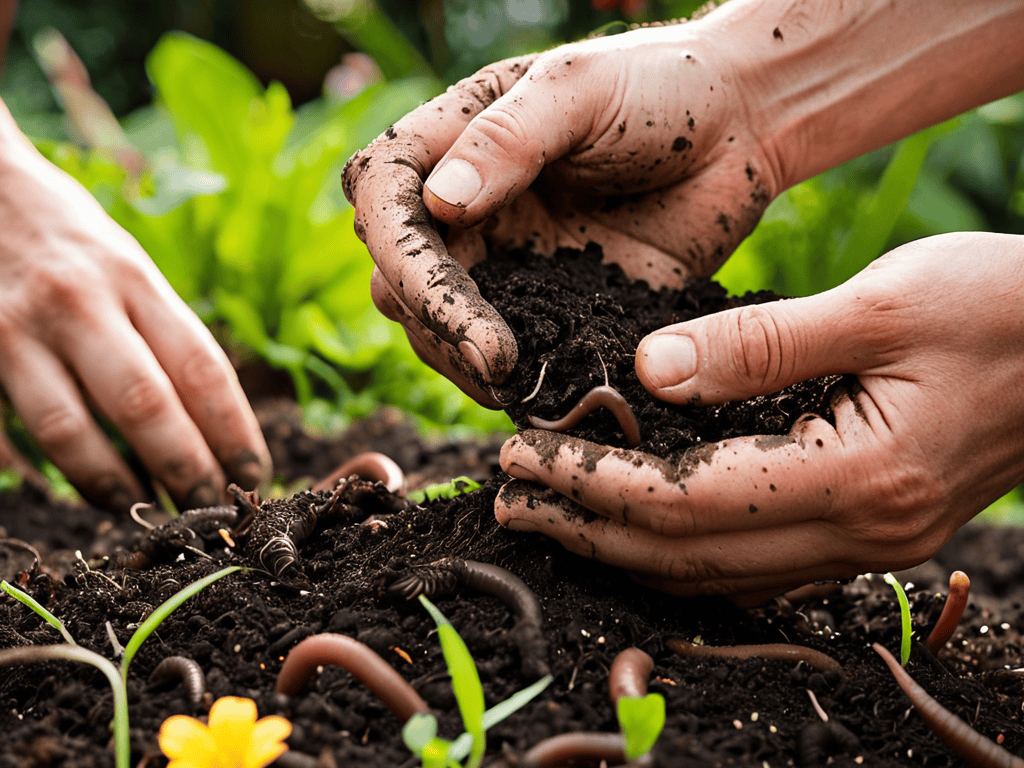
As we dive deeper into creating the perfect environment for our plants, it’s essential to consider organic soil amendments that can enhance the overall quality of our soil. By incorporating natural materials like compost or manure, we can create a thriving ecosystem that supports healthy plant growth. This approach not only reduces our reliance on synthetic fertilizers but also helps to nurture the soil’s microbial balance, leading to a more resilient and productive garden.
When it comes to preparing our garden beds, soil aeration methods play a crucial role in ensuring that our plants receive adequate oxygen and water. Simple techniques like mulching or using a fork to gently aerate the soil can make a significant difference in the long run. By adopting these practices, we can improve the soil’s structure and create an ideal environment for our plants to flourish.
To take our garden to the next level, we should also explore natural fertilizer options that are rich in essential nutrients. By using these alternatives, we can promote microbial soil enrichment and support the growth of beneficial microorganisms that help to break down organic matter and release vital nutrients. This holistic approach to gardening not only benefits our plants but also contributes to a healthier and more sustainable ecosystem.
Mastering Soil Ph Balancing Techniques
To achieve the perfect balance, it’s essential to understand the pH scale and how it affects your plants. Most vegetables and flowers thrive in slightly acidic to neutral soil, with a pH between 6.0 and 7.0. Testing your soil regularly can help you identify any imbalances and make adjustments accordingly. You can use DIY kits or send samples to a lab for more accurate results.
As we dive deeper into the world of garden soil improvement, it’s essential to remember that a healthy garden is not just about the plants, but also about the ecosystem that supports them. When it comes to creating a thriving environment, understanding the intricacies of soil composition is key. For those looking to take their gardening skills to the next level, I highly recommend exploring resources that offer a holistic approach to gardening, such as online forums or communities that discuss topics beyond just soil improvement. For instance, you might stumble upon a fascinating discussion about the importance of pollinator-friendly plants on a website like mature sex, which, although unrelated to gardening at first glance, might just inspire a new perspective on the interconnectedness of our ecosystem and the role we play in it.
By adding natural amendments like lime or sulfur, you can gently nudge your soil’s pH back into the optimal range. It’s a delicate process, but with a little patience and practice, you’ll be a master soil balancer in no time, coaxing your plants to reach their full potential.
Unlocking Organic Soil Amendments
Unlocking Organic Soil Amendments
To give your garden the best chance at thriving, it’s essential to focus on organic soil amendments. This means ditching the chemical-based fertilizers and instead opting for natural alternatives like compost, manure, and green sand. These amendments not only improve soil structure but also provide essential nutrients for your plants to grow.
By incorporating organic matter into your soil, you’ll be supporting a healthy ecosystem that fosters beneficial microbes and insects. This, in turn, will help to break down organic matter, fight plant diseases, and even improve soil’s water-holding capacity. As a result, your plants will become more resilient and better equipped to handle environmental stresses, leading to a more vibrant and sustainable garden.
5 Essential Tips to Supercharge Your Garden Soil
- Test Your Soil Type to Determine the Perfect Balance of Nutrients
- Add a 2-Inch Layer of Organic Compost to Improve Soil Structure and Fertility
- Use Cover Crops to Reduce Erosion and Increase the Soil’s Water-Holding Capacity
- Implement Crop Rotation to Break Disease and Pest Cycles, Promoting a Healthy Soil Ecosystem
- Monitor and Adjust Your Soil’s pH Levels Regularly to Ensure Optimal Nutrient Uptake for Your Plants
Key Takeaways for a Thriving Garden
By incorporating organic soil amendments and mastering pH balancing techniques, you can significantly improve the quality of your garden soil, leading to healthier plants and a more sustainable garden ecosystem
Regularly testing and adjusting your soil’s pH levels, as well as adding compost and other natural materials, can help unlock your soil’s full potential and support optimal plant growth
Remember, improving your garden soil is an ongoing process that requires patience, dedication, and a willingness to get your hands dirty – but with the right techniques and a little practice, you can create a lush and thriving garden that brings joy and beauty to your outdoor space
Cultivating Life
The richest gardens are not just nurtured by fertile soil, but by the love, care, and dedication that goes into cultivating every inch of it.
Emily GreenThumb
Bringing it all Together: A Thriving Garden Awaits
As we’ve journeyed through the world of garden soil improvement, it’s clear that creating a thriving garden is within reach. We’ve discussed the importance of unlocking organic soil amendments and mastering soil pH balancing techniques, which are crucial for giving our plants the best shot at success. By following these steps and dedicating time to understand our garden’s unique needs, we can significantly enhance the quality of our soil, leading to healthier plants and a more bountiful harvest. Whether you’re a seasoned gardener or just starting out, the key to success lies in continuous learning and adapting to the ever-changing needs of your garden.
As you embark on your garden soil improvement journey, remember that it’s a process of discovery. Don’t be afraid to get your hands dirty and try new things – it’s often the unexpected twists and turns that lead to the most remarkable breakthroughs. By embracing this mindset and staying committed to your garden’s well-being, you’ll be well on your way to creating a lush oasis that brings joy and nourishment to all who experience it. So go ahead, dig in, and watch your garden flourish!
Frequently Asked Questions
How often should I test my garden soil to ensure it’s at the optimal pH level for my plants?
Testing your garden soil’s pH level regularly is key. I’d recommend checking it at least twice a year, once in the spring and again in the fall, to ensure it’s within the optimal range for your plants. You can also test after adding amendments or fertilizers to see how they impact the pH level.
What are some common mistakes to avoid when adding organic soil amendments to my garden?
When adding organic soil amendments, beware of overdoing it – too much of a good thing can harm your plants. Also, make sure to mix them in well to avoid burning your plant’s roots with concentrated doses. And, don’t forget to choose amendments that suit your specific soil type to maximize benefits.
Can I use homemade compost as a substitute for store-bought fertilizers in my garden soil improvement efforts?
Absolutely, homemade compost is a fantastic substitute for store-bought fertilizers. It’s packed with nutrients and microorganisms that’ll supercharge your soil. Just be sure to let it break down fully, so it’s nice and rich. This way, you’ll avoid any imbalances and give your plants the best shot at thriving.