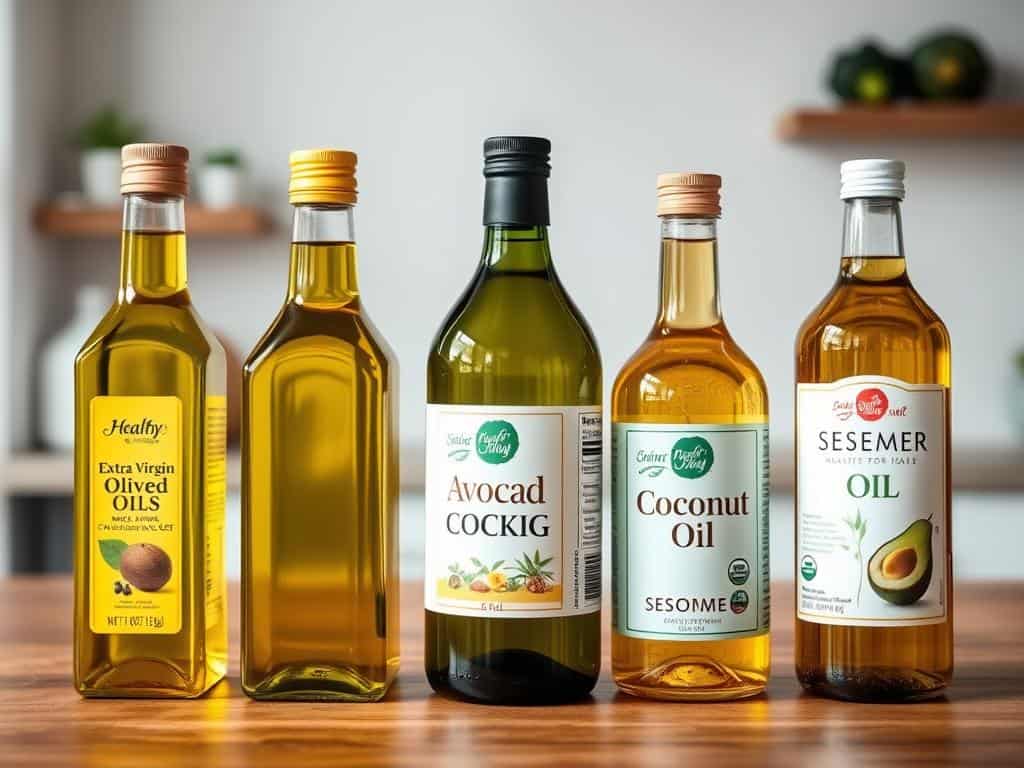
Did you know that nearly 70% of Americans don’t know about the health risks from the fats they eat? This fact shows the major role of healthy cooking oils, like olive oil and avocado oil, in our diets. In my journey through the world of cooking oils, I’ve learned the importance of choosing the right oil. It’s key for health and well-being.
Modern nutrition highlights the value of healthy fats. Especially, the monounsaturated fats in olive oil and avocado oil, packed with antioxidants. These oils boost wellness and could lower risks of chronic diseases. Diseases like heart disease and cancer. For shoppers, knowing which oils to pick is vital for a healthier life.
Key Takeaways
- The majority of Americans lack awareness of the health risks tied to dietary fats.
- Opting for healthy cooking oils can lead to improved overall health.
- Monounsaturated fats are crucial for heart health and wellness.
- Olive oil and avocado oil offer significant antioxidant benefits.
- Choosing the right oils is essential for a healthier lifestyle.
Understanding the Importance of Healthy Fats
Adding fats to my diet is very important for many reasons. These healthy fats are crucial for how our bodies work. They help build cell walls, aid in brain growth, and are key in controlling hormones.
Why You Need Fat in Your Diet
Fat is a key energy source and is vital for good health. It helps our bodies absorb vitamins like A, D, and E. Choosing healthy fats makes meals more fulfilling, which helps with a balanced diet and hunger control.
Types of Dietary Fats
Knowing the kinds of fats is important. Generally, there are three: saturated, unsaturated, and trans fats. Unsaturated fats, like monounsaturated and polyunsaturated, are especially beneficial. Switching from saturated and trans fats to these can greatly boost heart health.
Healthy Cooking Oils to Consider
Exploring the healthy cooking oil scene can really boost meal quality. It’s not just about taste, but also health. Picking the best oils can make a big difference. It’s key to know their good and bad sides.
Olive Oil: The Gold Standard
Extra-virgin olive oil is a top pick for me. It’s known for its olive oil benefits. This oil is heart-friendly thanks to its healthy fats and antioxidants. It can also cut down chronic disease risks. Olive oil works great in salads, for cooking, or as a final flavor boost.
Avocado Oil: A Versatile Choice
I often use avocado oil too. Its ability to handle high heat, up to 520°F, stands out. Plus, it’s packed with good nutrients. Knowing avocado oil’s perks enhances cooking while keeping health in mind.
Unhealthy Oils to Avoid
It’s important to avoid certain oils though. Like those full of saturated fats—think palm and coconut oil. Also, dodge oils with trans fats or too much omega-6. These can trigger inflammation and other issues. Being aware helps me pick healthier options.
Healthy Cooking Oils: Best Practices for Usage
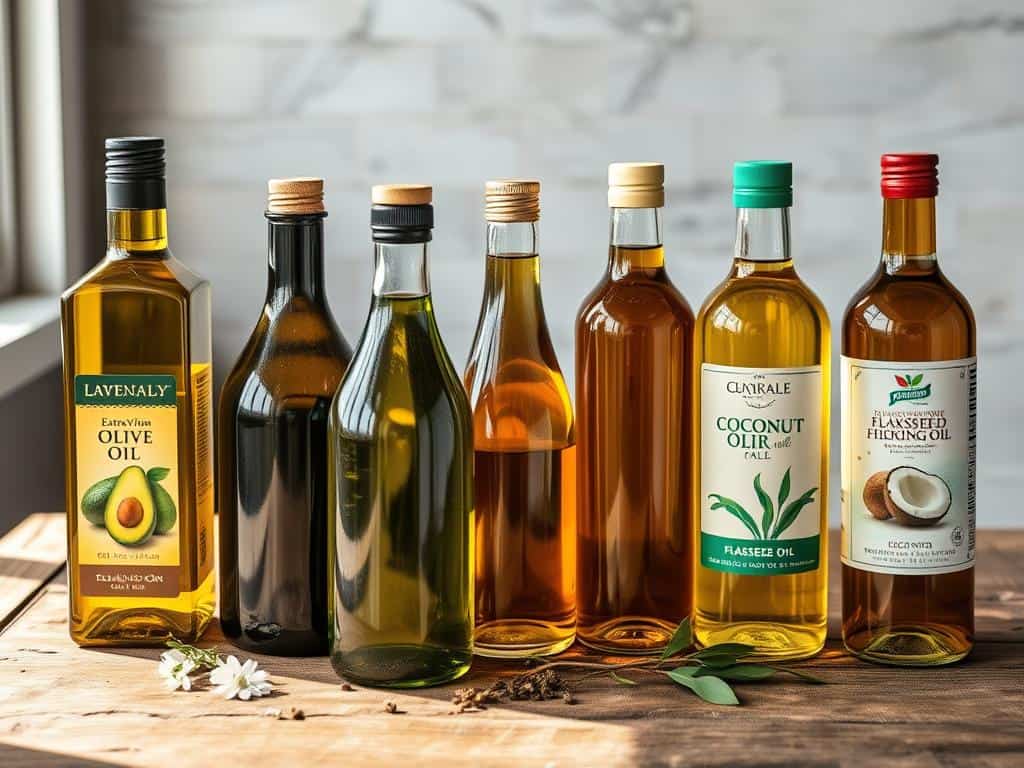
Understanding the smoke points of cooking oils is crucial. Not all oils react the same when heated. Choosing the correct oil can majorly improve your dishes and health. For example, avocado and safflower oils are good for frying due to their high smoke points. Meanwhile, flaxseed and walnut oils are best for dressings and marinades because of their low smoke points. This knowledge helps me pick the right oil, enhancing my meals.
Cooking Methods and Smoke Points
Knowing cooking oils’ smoke points helps select the right oil for each cooking technique. High smoke point oils are suited for frying, stir-frying, and roasting. For sautéing, I prefer using canola or grapeseed oil. It’s important to avoid high-heat methods with oils that break down easily. This can make food taste bad and lose nutrition. Learning this has significantly improved my cooking.
How to Store Your Cooking Oils
Storing cooking oils correctly is key to keeping them fresh. I store my oils in a cool, dark place to prevent them from becoming rancid. Using oils within a year of opening makes sure they taste good and offer health benefits. Opting for unrefined and cold-pressed oils keeps more nutrients. Paying attention to how I use and store oils has greatly benefited my cooking.
Conclusion
While searching for the healthiest cooking oils, I found out they do more than being nutritious. Oils like olive and avocado are not just good for health but also add amazing flavors. By picking the right oil, I make my meals better and improve my health.
Learning how to use these oils correctly was key. For example, knowing their smoke points helps me keep their benefits and taste. This knowledge and its application bring great results in cooking.
Choosing healthy cooking oils wisely reminds me it’s important to balance and make smart choices. By selecting carefully and focusing on their benefits, my meals are tasty and healthy. This approach supports my well-being in the long run.