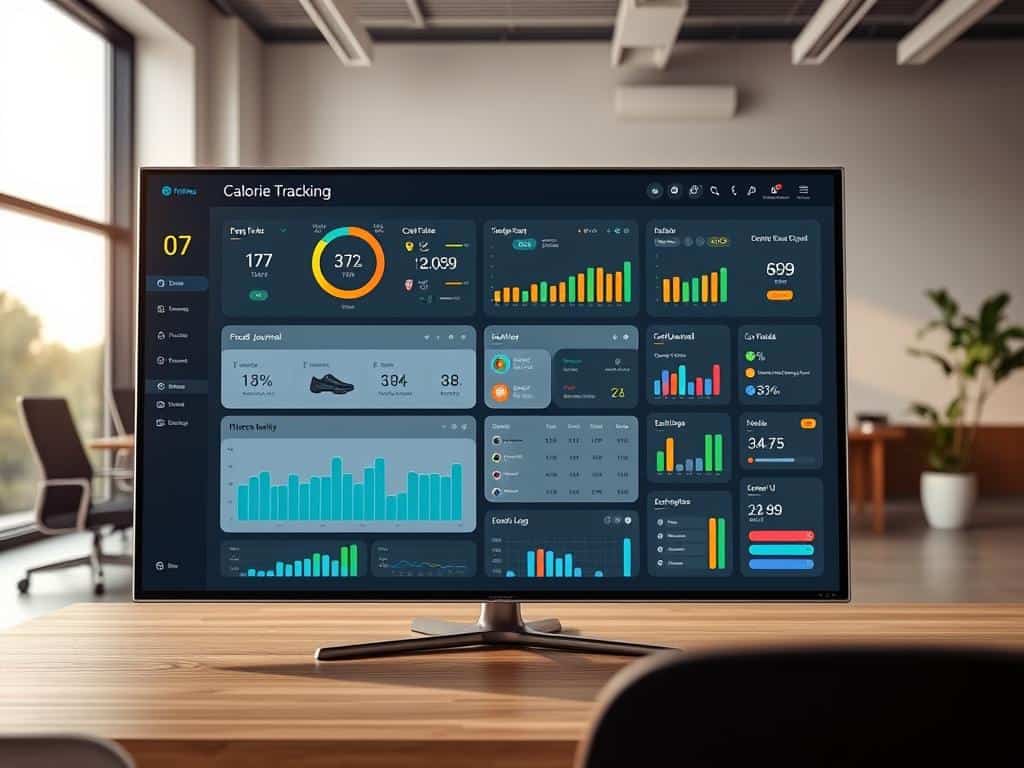
About 70% of adults in the U.S. are either overweight or obese. Many diets and fitness plans focus on calorie counting for weight loss. But the truth is more complex than that.
It’s not just about eating fewer calories than we burn. This idea is too simple. It doesn’t fully cover the details of nutrition and what affects our eating.
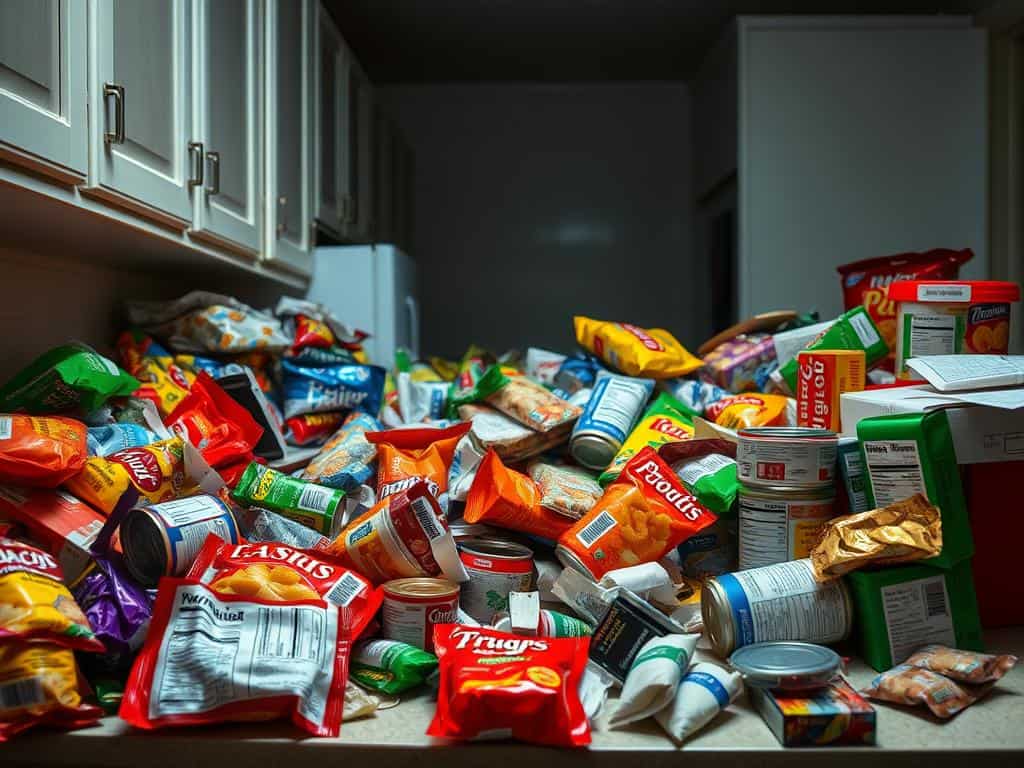
These days, processed foods are everywhere in our meals. It’s very easy to eat more calories than we need, even if we don’t mean to. These foods are full of added sugars and unhealthy fats. They make it hard to keep track of calories and can confuse us about what a healthy meal really is.
In the next parts, we’ll look into how tracking calories works and its challenges. We’ll also see if just focusing on calories is misleading when we want to eat better.
Key Takeaways
- Calorie counting is commonly believed to be the key to weight loss.
- About 70% of U.S. adults are overweight or obese.
- Processed foods contribute significantly to calorie surplus.
- Strict adherence to calorie tracking may not yield desired results.
- Nutrition quality is just as important as calorie quantity.
- Understanding individual caloric needs is crucial for effective weight management.
The Science Behind Calorie Tracking
Knowing about calories is key for those wanting to lose weight effectively. Many people don’t pay enough attention to their caloric needs. This leads to poor diet choices. For weight loss success, it’s important to eat fewer calories than what your body uses. This concept of “calorie in versus calorie out” is vital for health, but many find it hard due to junk food.
Understanding Caloric Needs
Your caloric needs change depending on age, sex, and how active you are. For example, active young people need more energy than those who are less active and older. It’s common to eat more calories than needed, which can stop you from keeping a healthy weight. Knowing how many calories I need helps me pick better food and meet my weight loss aims.
Calorie In vs. Calorie Out
The idea of balancing calories in and out is important for keeping a healthy weight. How well your body uses calories depends a lot on your metabolism. Also, not every calorie is the same. The type of food impacts how the body handles it, affecting how well you lose weight. Understanding this helps me manage what I eat and focus on quality, not just how much I eat.
Challenges of Calorie Counting in Today’s Diet
Calorie counting has become tough with today’s diets. Processed foods are everywhere, making it harder. These foods prioritize taste and convenience over nutrition. They’re often packed with calories, leading to easy overeating. This throws a wrench into following calorie limits.
The Impact of Processed Foods
Processed foods are a big part of what we eat. They’re full of bad additives, sugars, and fats. This can mess up how we feel hunger and fullness. I realized my eating habits changed once I frequently picked these foods.
I ended up eating more because I didn’t realize how many calories I was consuming. It showed me the link between processed foods and overeating.
Overeating and Portion Sizes
There’s a big gap between homemade portion sizes and those from packaged foods. At home, a pasta serving might be around a cup. But eating out can serve you two to three times that much. This makes it hard to keep track of calories.
Dining out or choosing packaged snacks often means ignoring portion advice. I found it tricky to stay on track with my calorie counting because of this.
Calorie Tracking: A Misleading Approach?
Calorie tracking is widely used by people who want to control their weight. However, experts believe it may not be the best long-term method. They argue that just looking at calories misses key aspects that affect weight control.
Research and Expert Opinions
Nutrition experts think calorie tracking might not give a full picture of healthy eating. They point out that people often gain back weight after counting calories. This suggests we need to think about diet in a broader way. Researchers stress the importance of the quality of food you eat. Moving beyond just calories can lead to better health outcomes.
These expert views shed new light for me. They suggest a more balanced way to think about eating.
Focus on Nutrition Quality
Through my research, I’ve learned how vital nutrition quality is. Foods that are whole and not processed offer great health benefits. These benefits matter more than the calories they contain. Focusing on the goodness in food has changed how I see a healthy lifestyle.
By choosing foods rich in nutrients, we can develop a better diet. This approach is more sustainable and rewarding in the long run.
Conclusion
In summing up, counting calories alone is not the full answer. It comes with problems and often-tricky viewpoints. What I’ve learned is that losing weight is not all about numbers. It’s about a diet full of different, nutritious foods.
Rather than just looking at calories, paying attention to food quality is key. It’s important to make sure meals have the right nutrients. Knowing how much to eat and eating mindfully have also changed how I see food. I focus on a healthier, more balanced way of eating now, not just calorie numbers.
Food is not only about energy. It’s vital for a good life. This new view means eating well is part of my happiness and health.
Also, I’m trying out new methods like intermittent fasting. These have been helpful for staying healthy and reaching my weight targets. By not stressing over calories, I find better ways to meet my dietary needs. This journey is all about balance, being mindful, and making choices that are good for both my body and mind.