
All those $200 light‑therapy boxes promising you a perfect morning sunlight for circadian rhythm reset? I’ve seen more of them gathering dust on kitchen counters than actually waking anyone up. What really matters is stepping outside, breathing in the crisp dawn, and letting the golden spill do the work. I remember the first time I set my alarm for 5:30 a.m., slipped on my battered hiking boots, and watched the forest floor glisten with dew as the sun crept over the Douglas firs. That simple splash of light rewired my sleep like nothing a gadget could.
In this post I’ll strip away the buzzwords and give you a down‑to‑earth, step‑by‑step routine that fits into any busy morning—no expensive gear required. You’ll learn how to time your sunrise stroll, why a quick sip of pine‑scented air can boost the effect, and what a 10‑minute window of gentle light does for your internal clock. By the end, you’ll have a realistic game plan to let nature’s own natural alarm clock set the tone for a clearer mind, steadier energy, and a night of deeper sleep for you and the earth.
Table of Contents
- Morning Sunlight for Circadian Rhythm Dawns Gentle Reset
- Sunlit Start 15minute Morning Ritual for Sleep Harmony
- Unlocking the Dawn How Sunrise Boosts Melatonin
- Sunkissed Mornings How Light Shapes Mood Hormones
- Bright Beginnings Natural Lights Role in Mood Regulation
- Morning Light Therapy Calming Cortisol Awakening Response
- Sunrise Sync: 5 Simple Ways to Harness Morning Light
- Sunrise Sync: Your Morning Light Checklist
- Sun‑lit Rhythm Reset
- Conclusion
- Frequently Asked Questions
Morning Sunlight for Circadian Rhythm Dawns Gentle Reset

When the first golden sliver peeks over the treetops, I love to linger on my porch with a steaming mug of herbal tea, letting the soft glow coax my brain out of night‑time mode. That gentle burst of photons triggers a cascade that suppresses melatonin production, signaling to my cells that it’s time to wake. It’s not just a biological reset; the relationship between daylight and the cortisol awakening response feels like a friendly nudge from the forest itself, reminding me that the day is fresh and full of possibility. I’ve noticed that even a brief 10‑minute stroll under the early sky can leave me feeling more alert than a caffeine jolt ever could.
If you’re curious about turning this sunrise ritual into a sleep‑savvy habit, aim for about 20‑30 minutes of unobstructed light within the first hour after dawn. That window is the sweet spot for optimal duration of sunlight exposure for circadian alignment, and it doubles as a natural form of morning light therapy for sleep disorders. I’ve found that this simple habit not only steadies my internal clock but also lifts my mood—thanks to the subtle way sunlight timing influences serotonin release. So, set your alarm a little earlier, step outside, and let the day’s first light rewrite your night‑time narrative.
Sunlit Start 15minute Morning Ritual for Sleep Harmony
I start my day with a simple 15‑minute ritual that feels like a quiet ceremony with the sun. I slip on my worn boots, step onto the dew‑kissed porch, and watch the eastern horizon spill amber across my skin. I inhale the crisp pine‑scented air, stretch my arms toward the sky, and, while swaying, notice the tiny Salvia apiana leaves glinting in the early light—a reminder that nature’s clock is already ticking.
After my sunrise stretch, I cup a glass of cool water and sit on the porch rail, eyes on the sun. I let the first golden rays kiss my face for three minutes—no phone, no rush—just light. Then I whisper a gratitude list, naming three things I’ll nurture today. This communion with daylight cues my brain to lower melatonin, paving the way for a night of restorative sleep.
Unlocking the Dawn How Sunrise Boosts Melatonin
I love the moment when the first pink blush of dawn stretches across the canopy, and I pause—coffee in hand—to let that gentle light kiss my eyelids. That soft, blue‑rich glow isn’t just pretty; it kick‑starts my brain’s internal clock, cueing the pineal gland to begin its nightly symphony. In that quiet hour, I can literally feel melatonin’s sunrise dance winding up, preparing my body for a restful night ahead.
I’ve found that fifteen to twenty minutes of that early light is enough to set my sun‑kissed rhythm for the whole day. I like to stretch my arms toward the east, breathe in the morning air, and let the sky’s amber sweep erase any lingering fog of sleepiness. By making sunrise my daily cue, I drift into evenings feeling drowsy, and I sleep a log, dreaming of tomorrow’s forest walk.
Sunkissed Mornings How Light Shapes Mood Hormones

When the first rays spill over the canopy, they do more than just wake our eyes—they kick‑start a cascade of hormonal cues that set the tone for the whole day. The relationship between daylight and the cortisol awakening response is especially fascinating: within minutes of sunrise, our adrenal glands release a gentle surge of cortisol that nudges us from sleep‑grogginess to alertness. This natural boost is why a brief, intentional step onto the porch at dawn feels like a cup of sunshine‑steeped coffee for the soul. Studies on the benefits of natural light exposure in the morning show that even a 10‑minute walk can sharpen mood, lower anxiety, and improve the brain’s ability to focus later on.
Beyond mood, early light exposure tunes the pineal gland’s melatonin clock. As the sky lightens, how sunrise affects melatonin production shifts, signaling the body to lower its night‑time hormone and signal that it’s time to be awake. For those battling insomnia, a modest morning light therapy for sleep disorders routine—about 15‑20 minutes of unobstructed sunlight—has been shown to re‑align the internal clock. I’ve found that lingering on a sun‑kissed ridge for just a quarter of an hour each day not only steadies my sleep cycle but also leaves me humming with a quiet, daylight‑fueled optimism that carries me through the afternoon.
Bright Beginnings Natural Lights Role in Mood Regulation
When the first golden ribbons of dawn spill over the fir‑lined horizon, my brain gets a gentle nudge of serotonin—a sun‑kissed serotonin surge that feels like the forest waking up with me. I love to sip tea on my porch, watching the light filter through cedar needles, and notice how my mood lifts as the day begins.
Beyond that fleeting lift, consistent exposure to early light helps keep my internal clock synced, which steadies the emotional tide throughout the day. I’ve even seen it in the wild: the delicate wild lupine, Lupinus perennis, unfurls its blossoms only after the sun’s first kiss, a reminder that light cues our bodies to bloom. Embracing a simple 15‑minute sunrise walk can trigger a mood‑boosting cascade that steadies anxiety and brightens perspective.
Morning Light Therapy Calming Cortisol Awakening Response
If you’re looking for a low‑tech way to honor the sky’s early cues, try setting a simple sunrise timer on your phone or bedside lamp that mimics the gradual glow of dawn; I’ve found that the free “ao hure” app (just click ao hure) lets you customize the light’s intensity and duration so you can ease into your day with a soft, natural crescendo—perfect for syncing your internal clock without the jolt of a harsh alarm.
Each morning, I pause on my porch with a steaming mug, letting the first golden rays spill over my shoulders. That soft illumination gently tells my adrenal glands, “Hey, we’re not in a panic mode yet.” In that quiet moment, the usual cortisol surge eases, and I feel a cortisol sunrise reset washing over me, replacing the rush with a calm that carries through the day.
To make this sunrise ritual a habit, I position a small table near the east‑facing window, sip tea, and breathe in the daylight for five minutes before checking my phone. The bright, natural hue signals my brain to lower stress hormones, and I notice my mood steadier and my mind clearer by mid‑morning. I now share sunrise cups with neighbors, spreading the calm daily.
Sunrise Sync: 5 Simple Ways to Harness Morning Light
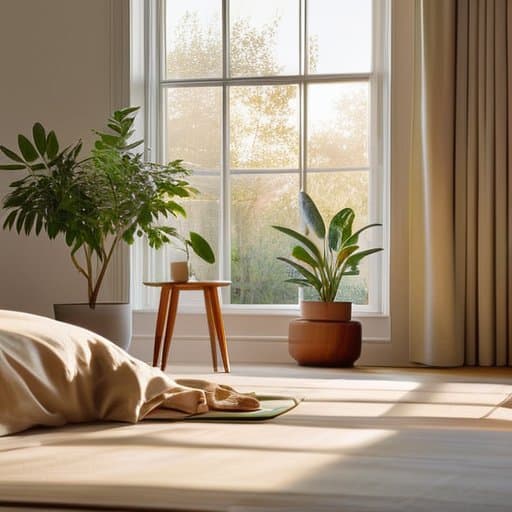
- Step outside within the first 30 minutes of dawn and soak up at least 10‑15 minutes of direct sunlight—your eyes will cue the brain to lower melatonin and set the day’s rhythm.
- Combine your sunlight soak with a gentle stretch or yoga flow; moving in the light amplifies the cue to your internal clock while waking up your muscles.
- Leave your curtains wide open after sunrise; letting natural light flood your bedroom reinforces the morning cue even if you’re still in bed.
- Sip a warm herbal tea (like lemon‑ginger or chamomile) while basking in the light to pair a calming ritual with the circadian reset.
- Avoid screens for the first hour after sunrise; let the sun do the heavy lifting for your circadian rhythm before blue‑light devices take over.
Sunrise Sync: Your Morning Light Checklist
Spend just 15 minutes soaking up the sunrise each day to cue melatonin release and keep your internal clock humming.
Let the gentle morning glow lower cortisol, giving you a calm, focused start that brightens mood all day long.
Create a simple ritual—tea, stretch, and a sun‑kissed pause—to anchor your sleep‑wake rhythm and greet the day with natural energy.
Sun‑lit Rhythm Reset
When the first golden rays kiss the horizon, they don’t just wake the world—they gently coax our internal clocks back into harmony, turning each sunrise into a daily invitation to sync with nature’s timeless beat.
Mary Perez
Conclusion
We’ve walked through how the soft glow of dawn acts like nature’s alarm clock, gently nudging our internal clocks back into sync. By catching that early sunrise reset, we spark a cascade of melatonin that tells our bodies it’s time to wind down later, while a brief 15‑minute exposure also smooths the cortisol surge that can leave us feeling frazzled. In short, a quick sip of morning light not only steadies our sleep cycle but also lifts our mood, making the day feel brighter before we’ve even had our coffee. So whether you sip tea on the porch or stretch in the garden, that golden hour is your free, daily dose of wellness.
So, why not turn that fleeting glow into a habit you actually look forward to? I’ve found that carving out a 15‑minute sunrise pause—whether you’re sipping herbal tea, journaling, or simply breathing in the crisp air—creates a gentle bridge between night’s rest and day’s promise. Each dawn becomes a tiny ceremony of gratitude, reminding us that the planet’s oldest clock is always ticking in our favor. When you make your own sunrise ritual a non‑negotiable part of the day, you’ll notice not only better sleep, but a lingering sense of calm that lingers long after the sun has risen. Let today be the first step toward a brighter, more rhythm‑aligned you.
Frequently Asked Questions
How much morning sunlight do I need each day to keep my circadian rhythm on track?
Hey friend, aim for about 15‑30 minutes of gentle morning light within the first hour after you wake. Find a sunny spot—your porch, a backyard patch, or even a bright window—and let your eyes soak up that soft, blue‑rich glow. This window of daylight delivers roughly 10,000 lux, enough to cue your internal clock without hurting your retinas. If clouds roll in, extend the stroll a bit; consistency trumps intensity for a happy circadian rhythm.
Can I still benefit from sunrise exposure on overcast or rainy mornings?
Absolutely—you can still soak up sunrise magic on a gray‑sky day! Even when clouds filter the glare, the subtle amber glow still nudges your circadian clock, gently coaxing melatonin production and signaling “time to wake.” A mist‑kissed morning also adds a calming, hygroscopic vibe that lowers cortisol, helping you feel steadier and more grounded. So grab a warm mug, step onto your porch, and let that soft, diffused light whisper “good morning” to your body and soul.
What’s the ideal time after waking up to step outside for a sun‑boosted sleep cycle?
Hey friend, aim to step outside 15‑30 minutes after you’ve risen—ideally before 9 a.m. when the sky is but bright enough to cue your internal clock. Even a 5‑minute walk in that morning light gives your retinal cells the cue they need to tell the pineal gland, “Hey, it’s daytime,” and kick melatonin production into gear for a smoother, restorative night’s sleep. Give it a settle, and you’ll wake feeling refreshed and ready for the day.